Risk Assessment Wizard

Create clear, professional risk assessments in minutes. List hazards, set measures and assign responsibilities, then download a clean PDF branded with your organisation.

Get Started

  • Create a Risk Assessment
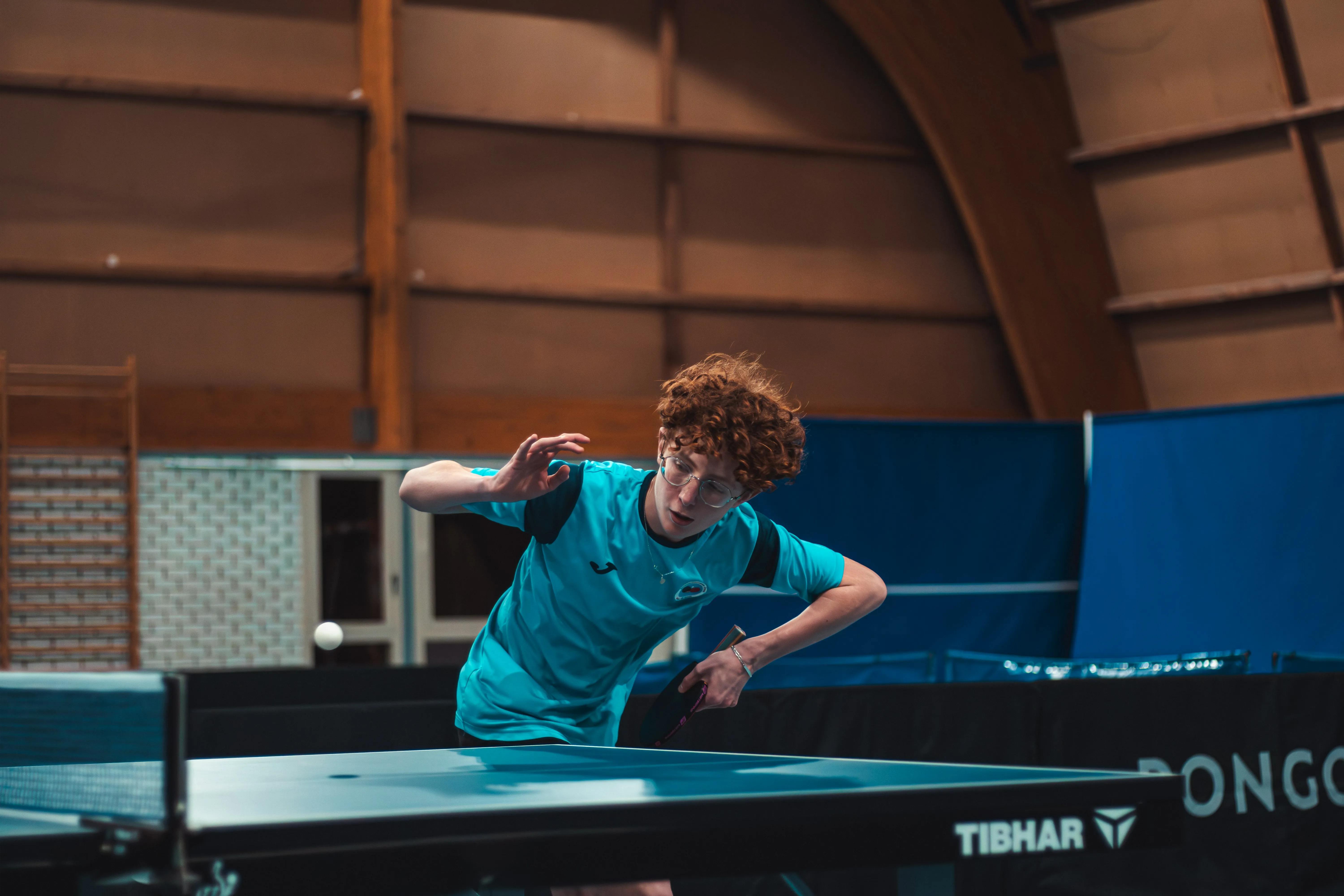
Table tennis player in action
Sports & Recreation

Table Tennis Risk Assessment Template

The complete guide to creating professional risk assessments for table tennis clubs, schools, and sports organisations. Protect your players and meet international safety standards.

Free to use Instant PDF download Updated February 2026

The essential guide to table tennis safety

Table tennis is one of the world's most popular indoor racquet sports, played at all levels from recreational to professional. The sport combines lightning-fast reflexes, precise paddle control, and rapid movements that require careful risk management to ensure player safety.

A comprehensive risk assessment is essential for any table tennis club, school programme, or sports organisation. It demonstrates your commitment to player safety, helps prevent injuries, and ensures compliance with health and safety legislation.

This guide covers everything you need to create a thorough table tennis risk assessment—from identifying activity-specific hazards to implementing practical control measures that keep your players safe at the table.

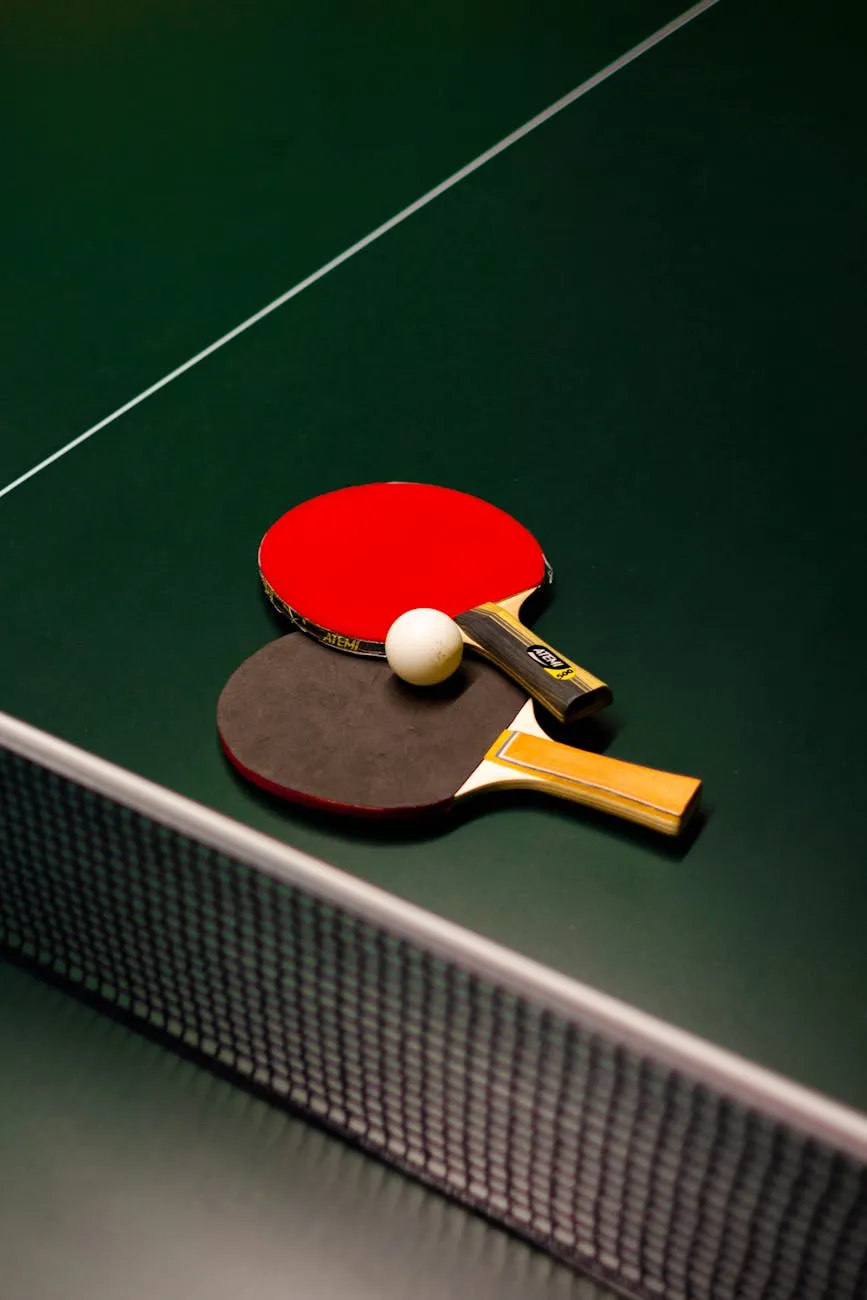
Table tennis paddles and ball
Sport & Fitness

Why table tennis is worth the investment

Understanding the benefits helps you communicate value to participants while creating a balanced risk assessment.

Hand-Eye Coordination

Enhances hand-eye coordination and reflexes essential for fast-paced racket play.

Mental Agility

Improves mental agility and concentration through strategic shot placement and anticipation.

Fine Motor Skills

Develops fine motor skills and precision necessary for accurate ball control.

Agility & Quickness

Increases agility and quickness with rapid movements and directional changes.

Cardiovascular Health

Boosts cardiovascular health and overall fitness through sustained active play.

Stress Relief

Supports stress relief and mental well-being through engaging and enjoyable activity.

Who needs a table tennis risk assessment?

If you're involved in organising or delivering table tennis activities, you need a documented risk assessment. This applies to:

Table Tennis Clubs

Whether you're a community club affiliated with your national table tennis association, a private club, or a recreational facility, you have a duty of care to your members. Your risk assessment should cover regular coaching sessions, social play, matches, and tournaments.

Schools & Educational Settings

Schools offering table tennis as part of physical education curriculum, after-school clubs, or inter-school competitions must conduct risk assessments. Educational settings have additional safeguarding considerations for young participants.

Sports Centres & Leisure Facilities

Commercial venues with table tennis facilities should ensure appropriate risk assessments are in place, coordinating with coaches to cover all aspects of safety including table conditions and equipment.

Tournament & Event Organisers

Anyone organising table tennis competitions needs specific risk assessments covering the competition environment, multiple tables, medical provisions, and spectator management.

Insurance requirement

Most insurance providers require documented risk assessments as a condition of coverage. Without one, your liability insurance may be invalid in the event of a claim.

Key hazards & control measures

Effective risk assessment starts with thorough hazard identification. Here are the primary hazards associated with table tennis.

Table Collision High Risk
Potential Harm

Bruises, cuts, fractures from impact with the table.

Control Measures
  • Ensure adequate space around the table for safe movement
  • Educate players on spatial awareness and proper footwork
  • Use tables with rounded edges and protective padding if possible
  • Maintain proper distance between tables
Benefit

Safe equipment setup reduces injury risk.

Player Collision Medium Risk
Potential Harm

Injuries such as bruises or fractures from colliding with an opponent.

Control Measures
  • Encourage clear communication between players in doubles
  • Establish clear roles and areas of responsibility
  • Provide training on spatial awareness
  • Ensure adequate playing area for each table
Benefit

Promotes teamwork and spatial awareness.

Improper Warm-Up/Cool-Down Medium Risk
Potential Harm

Muscle strains, sprains, injuries.

Control Measures
  • Implement mandatory warm-up and cool-down routines
  • Include stretching and sport-specific exercises
  • Allocate sufficient time for these activities
  • Educate players on their importance
Benefit

Proper warm-up and cool-down enhance performance and reduce injury risk.

Ball Impact (Eye Injury) Medium Risk
Potential Harm

Eye injuries from being struck by the ball.

Control Measures
  • Educate players on maintaining awareness during play
  • Encourage the use of protective eyewear if appropriate
  • Ensure adequate lighting for good visibility
  • Supervise play to address unsafe behavior
Benefit

Awareness reduces accidents and injuries.

Poor Lighting Medium Risk
Potential Harm

Reduced visibility leading to accidents.

Control Measures
  • Ensure lighting meets indoor sports standards
  • Provide even illumination without glare
  • Regularly maintain lighting fixtures
  • Position lights to avoid shadows on playing surface
Benefit

Good visibility enhances performance and safety.

Overcrowded Playing Area Medium Risk
Potential Harm

Collisions, reduced safety due to limited space.

Control Measures
  • Limit the number of players in the playing area
  • Organize sessions to manage participant numbers
  • Provide adequate space between tables
  • Use barriers or dividers where appropriate
Benefit

Adequate space allows safer play.

Poor Equipment Maintenance Medium Risk
Potential Harm

Injuries from equipment failure.

Control Measures
  • Regularly inspect paddles and tables for damage
  • Repair or replace faulty items promptly
  • Educate players on equipment care
  • Check table stability and net tension before play
Benefit

Quality equipment enhances safety and gameplay.

Reaching Instead of Moving Medium Risk
Potential Harm

Loss of balance, falls, muscle strains.

Control Measures
  • Teach players proper footwork to move into position
  • Encourage agility exercises
  • Correct improper movements during coaching
  • Emphasize importance of balance
Benefit

Proper footwork enhances safety and performance.

Safeguarding High Risk
Potential Harm

Risk of abuse or neglect.

Control Measures
  • Implement a safeguarding policy and train all staff
  • Conduct background checks on coaches and volunteers
  • Provide clear reporting procedures
  • Foster a safe and inclusive environment
Benefit

Safe environment promotes trust.

This guide covers the most common hazards. Our risk assessment wizard includes 29 hazards and 88+ control measures for Table Tennis, sourced from industry guidance — create your assessment in minutes.

Qualified supervision

All table tennis sessions must be led by appropriately qualified coaches. Essential requirements include:

  • Recognised coaching qualification from your national table tennis association (minimum Level 1/Assistant)
  • Background/safeguarding check for anyone working with children or vulnerable adults
  • Current first aid certification
  • Safeguarding training (child protection awareness)
  • Valid insurance covering coaching activities

Player-to-coach ratios

Recommended maximum ratios for safe supervision:

  • Under 10s: 1 coach to 6 players
  • 10-16 years: 1 coach to 8 players
  • Adults: 1 coach to 10 players

For intensive coaching or technique work, lower ratios are essential.

Repetitive strain awareness

Table tennis involves rapid, repetitive movements. Be alert to signs of overuse injuries such as wrist strain or shoulder pain. Encourage regular breaks and proper technique to prevent long-term issues.

Venue safety requirements

The condition of the venue and equipment is crucial for player safety. Before any session or match, assess:

Playing Surface

  • Floor should be clean, dry, and free of debris
  • No slippery areas or trip hazards
  • Non-slip flooring material recommended
  • Regular cleaning schedule in place

Tables and Equipment

  • Tables stable and level
  • Nets properly tensioned at correct height (15.25cm)
  • No damage to table surface or edges
  • Adequate supply of balls and paddles

Surroundings

  • Adequate clearance around each table (minimum 2m recommended)
  • No obstacles or equipment in playing area
  • Adequate lighting without glare
  • Good ventilation for comfort

Practical tip

Walk the playing area before every session. Check for moisture, debris, and ensure all tables are properly set up and stable. Keep cleaning equipment nearby for quick maintenance.

Pre-session checklist

Venue & Equipment

  • Floor clean and dry
  • No debris or trip hazards
  • Tables stable and level
  • Nets at correct height
  • Balls in good condition
  • First aid kit accessible
  • Adequate lighting

Players

  • Appropriate sports attire
  • Proper indoor sports shoes
  • No jewellery
  • Paddles in good condition
  • Any injuries declared
  • Water bottles available
  • Bags stored safely away

Supervision & Documentation

  • Qualified coach(es) present
  • Appropriate ratios maintained
  • First aider identified
  • Attendance completed
  • Session plan appropriate

Frequently asked questions

A table tennis risk assessment should include: identification of hazards specific to table tennis (playing surface, table collisions, paddle impact, floor conditions), who is at risk, existing control measures, risk ratings before and after controls, emergency procedures, and review dates.

The most common table tennis injuries include: shoulder injuries from repetitive overhead movements, wrist strains, elbow injuries (similar to tennis elbow), ankle sprains from quick lateral movements, and back pain from constant bending. A thorough risk assessment should address prevention measures for each.

Table tennis coaches should hold a coaching qualification from their national table tennis association, appropriate background checks, current first aid certification, and safeguarding training. Higher qualifications are required for performance coaching.

No—you can begin filling out your risk assessment straight away without creating an account. Create a free account only if you want to save your work for later editing.

Ready to create your table tennis risk assessment?

Use our online wizard to build a professional, comprehensive risk assessment in minutes. Pre-loaded with table tennis-specific hazards and control measures.

Start Your Free Risk Assessment

Instant access • No credit card required • Download PDF immediately

Related risk assessments

Explore other sports templates