Risk Assessment Wizard

Create clear, professional risk assessments in minutes. List hazards, set measures and assign responsibilities, then download a clean PDF branded with your organisation.

Get Started

  • Create a Risk Assessment
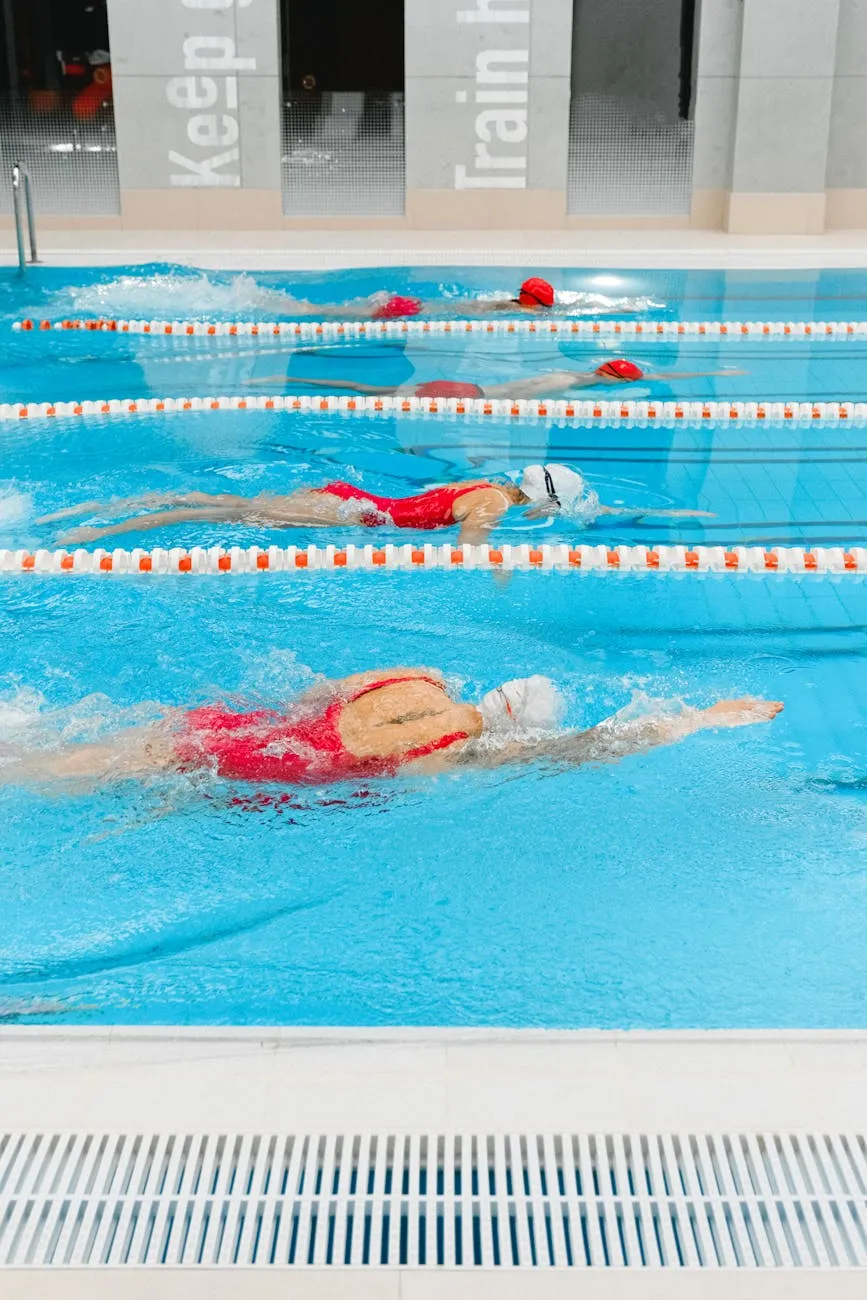
Swimmers in pool lanes
Sports & Recreation

Swimming Risk Assessment Template

The complete guide to creating professional risk assessments for swimming pools, clubs, and aquatic centres. Protect your swimmers and meet international safety standards.

Free to use Instant PDF download Updated January 2026

The essential guide to swimming pool safety

Swimming is one of the most popular physical activities worldwide, offering exceptional health benefits for all ages. However, aquatic environments present unique risks—including drowning—that require rigorous risk management.

A comprehensive risk assessment is not just good practice for swimming pools and clubs—it's a legal requirement in most jurisdictions. It demonstrates your commitment to swimmer safety, helps prevent accidents, and ensures compliance with health and safety legislation.

This guide covers everything you need to create a thorough swimming risk assessment—from identifying activity-specific hazards to implementing practical control measures that keep your swimmers safe in and around the pool.

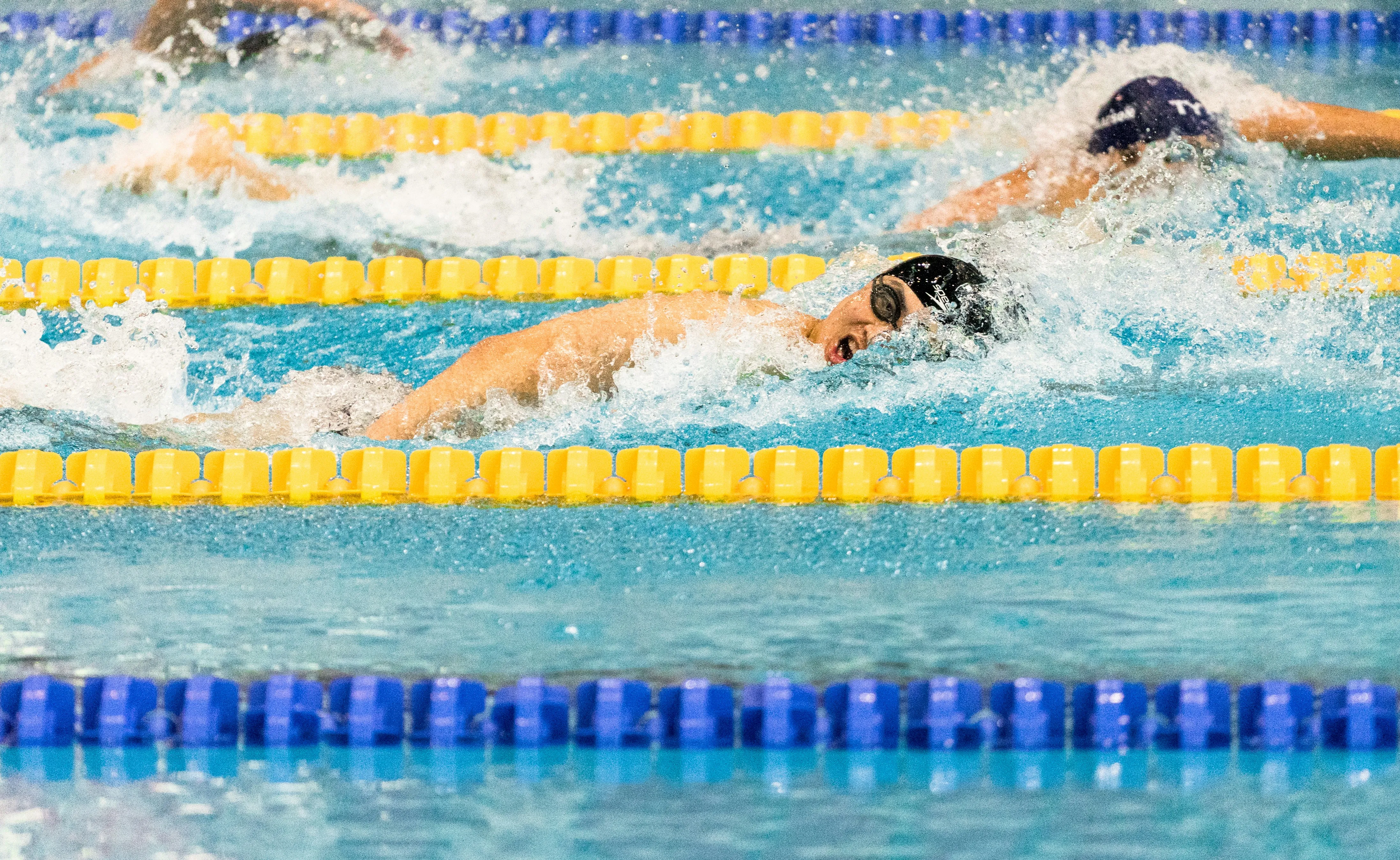
Swimmers training in pool lanes
Sport & Fitness

Why swimming is worth the investment

Understanding the benefits helps you communicate value to participants while creating a balanced risk assessment.

Cardiovascular Health

Improves cardiovascular health and lung capacity through sustained aerobic activity.

Muscle Strength

Enhances muscle strength and endurance with full-body movements in water resistance.

Flexibility

Increases flexibility and range of motion through various swimming strokes and stretching.

Mental Well-Being

Reduces stress and promotes mental well-being through rhythmic and meditative water exercises.

Weight Management

Supports weight management and fat burning with high-calorie expenditure in water.

Coordination

Develops coordination and balance through controlled movements and breathing techniques.

Who needs a swimming risk assessment?

If you're involved in operating or managing swimming facilities, you need a documented risk assessment. This applies to:

Swimming Pools & Aquatic Centres

All public and private swimming pools must have comprehensive risk assessments. This includes leisure centres, hotel pools, school pools, and private club facilities.

Swimming Clubs

Whether you're a community club, competitive team, or learn-to-swim programme, you have a duty of care to your members. Your risk assessment should cover training sessions, galas, and special events.

Schools & Educational Settings

Schools with swimming pools or those using external facilities must conduct risk assessments. Educational settings have additional safeguarding considerations and must consider non-swimmers.

Event Organisers

Anyone organising swimming competitions, galas, or aquatic events needs specific risk assessments covering the competition environment, warm-up procedures, and medical provisions.

Critical legal requirement

Swimming pools carry inherent drowning risks. In most jurisdictions, comprehensive risk assessments are legally mandated. Insurance providers will not provide coverage without documented risk management procedures.

Key hazards & control measures

Effective risk assessment starts with thorough hazard identification. Here are the primary hazards associated with swimming.

Slippery Poolside Surface High Risk
Potential Harm

Slips, falls, sprains, fractures.

Control Measures
  • Ensure poolside areas are kept clean and dry
  • Use non-slip flooring materials around the pool
  • Place clear signage indicating wet areas
  • Regular inspection and maintenance of pool deck
Benefit

A safe poolside area allows participants to move confidently.

Poor Water Quality High Risk
Potential Harm

Skin irritations, infections, respiratory issues.

Control Measures
  • Regularly test and adjust chemical levels
  • Implement strict hygiene policy requiring showers before swimming
  • Ensure filtration systems are functioning correctly
  • Educate swimmers on not contaminating the pool
Benefit

Clean water provides a healthy environment and enjoyment.

Diving into Shallow Water High Risk
Potential Harm

Head, neck, and spinal injuries.

Control Measures
  • Clearly display depth markers around the pool
  • Install "No Diving" signs where diving is prohibited
  • Educate swimmers on proper diving techniques
  • Supervise diving activities closely
Benefit

Proper signage prevents accidents and promotes safe use.

Overcrowded Swimming Lanes Medium Risk
Potential Harm

Collisions, increased risk of accidents.

Control Measures
  • Limit the number of swimmers per lane based on capacity
  • Schedule sessions to manage swimmer flow
  • Use lane ropes to organize swimmers by speed
  • Employ lifeguards to monitor and control crowding
Benefit

Adequate space allows for safer swimming and better training.

Participant Fatigue High Risk
Potential Harm

Impaired judgment, increased risk of drowning.

Control Measures
  • Encourage regular rest breaks and monitor swimmers for fatigue
  • Provide areas for resting in the pool (ledges, shallow areas)
  • Educate swimmers on recognizing their limits
  • Adjust activity intensity for different fitness levels
Benefit

Managing fatigue enhances safety and allows for longer participation.

Inadequate Lifeguard Supervision Critical Risk
Potential Harm

Delayed response to emergencies, increased risk of drowning.

Control Measures
  • Ensure sufficient certified lifeguards are on duty at all times
  • Position lifeguards to have clear visibility of entire pool
  • Provide regular training and emergency drills
  • Establish clear protocols for emergency responses
Benefit

Effective supervision enhances safety and swimmer confidence.

Chemical Imbalances Medium Risk
Potential Harm

Skin and eye irritations, respiratory issues.

Control Measures
  • Regularly test and adjust chemical levels to maintain balance
  • Use automated systems to monitor and control dosing
  • Train staff in pool chemistry management
  • Inform users of any issues promptly
Benefit

Balanced chemicals ensure water safety and comfort.

Faulty Pool Equipment Medium Risk
Potential Harm

Injuries from equipment failure, entrapment.

Control Measures
  • Regularly inspect starting blocks, lane ropes, and diving boards
  • Repair or replace faulty equipment promptly
  • Use equipment that meets safety standards
  • Restrict access to equipment under repair
Benefit

Safe equipment enhances user confidence and enjoyment.

Safeguarding High Risk
Potential Harm

Risk of abuse, harassment, or neglect.

Control Measures
  • Implement safeguarding policy and train all staff
  • Conduct background checks on staff and volunteers
  • Provide clear reporting procedures for concerns
  • Ensure privacy in changing areas
Benefit

A safe environment fosters trust and well-being.

This guide covers the most common hazards. Our risk assessment wizard includes 30 hazards and 118+ control measures for Swimming (Pool), sourced from industry guidance — create your assessment in minutes.

Lifeguard supervision

Adequate lifeguard supervision is the most critical control measure for drowning prevention. Requirements include:

  • Qualified lifeguards with current certification from a recognized awarding body
  • Regular retraining in rescue techniques and CPR/AED
  • Clear visibility of entire pool area from lifeguard stations
  • Appropriate ratios based on pool size, depth, and user numbers
  • Rotation schedules to maintain alertness

Typical lifeguard ratios

Recommended ratios vary by pool type and activities:

  • General swimming: 1 lifeguard per 20-30 swimmers
  • Learn to swim: Additional supervision required
  • Competition: Minimum 2 lifeguards regardless of numbers
  • Deep water activities: Enhanced supervision

Critical: Never leave pool unattended

A swimming pool with water in it must never be left without supervision when swimmers are present. Drowning can occur in under 60 seconds. Every second counts.

Pool safety requirements

Pool facilities must meet specific safety standards:

Water Quality

  • pH levels maintained between 7.2 and 7.6
  • Free chlorine levels appropriate for pool type
  • Regular bacteriological testing
  • Proper filtration and circulation

Pool Surrounds

  • Non-slip surfaces throughout
  • Clear depth markings visible from poolside
  • Emergency equipment readily accessible
  • Adequate lighting throughout facility

Emergency Equipment

  • Rescue poles and throw ropes
  • Spinal board for suspected neck injuries
  • AED (Automated External Defibrillator)
  • First aid kit and emergency phone

Emergency action plan

Every pool must have a documented emergency action plan covering drowning, spinal injuries, pool evacuation, and medical emergencies. Staff should practice these procedures regularly.

Pre-session checklist

Pool & Equipment

  • Water quality tested
  • Pool surrounds clean and dry
  • Depth markers visible
  • Lane ropes in place
  • Starting blocks secure
  • Rescue equipment accessible
  • AED charged and ready

Swimmers

  • Appropriate swimwear
  • Pre-swim shower required
  • Swimming ability assessed
  • No jewellery
  • Any health issues declared
  • Non-swimmers identified
  • Flotation aids available

Supervision

  • Qualified lifeguard(s) on duty
  • Full pool visibility
  • Emergency action plan known
  • Communication system working
  • First aider identified

Frequently asked questions

A swimming risk assessment should include: identification of hazards specific to swimming (drowning, slippery surfaces, water quality), who is at risk, existing control measures, risk ratings before and after controls, emergency procedures, lifeguard requirements, and review dates.

Lifeguard numbers depend on pool size, depth, visibility, and bather numbers. A typical guideline is 1 lifeguard per 20-30 swimmers for general swimming. More complex pools or activities may require additional supervision. Check your local regulations for specific requirements.

Water quality should be tested at least every 4 hours during pool operation, or more frequently in busy periods. pH, free chlorine, and combined chlorine should be monitored. Bacteriological testing should be conducted weekly or as required by local regulations.

No—you can begin filling out your risk assessment straight away without creating an account. Create a free account only if you want to save your work for later editing.

Ready to create your swimming risk assessment?

Use our online wizard to build a professional, comprehensive risk assessment in minutes. Pre-loaded with swimming-specific hazards and control measures.

Start Your Free Risk Assessment

Instant access • No credit card required • Download PDF immediately

Related risk assessments

Explore other sports templates