Risk Assessment Wizard

Create clear, professional risk assessments in minutes. List hazards, set measures and assign responsibilities, then download a clean PDF branded with your organisation.

Get Started

  • Create a Risk Assessment
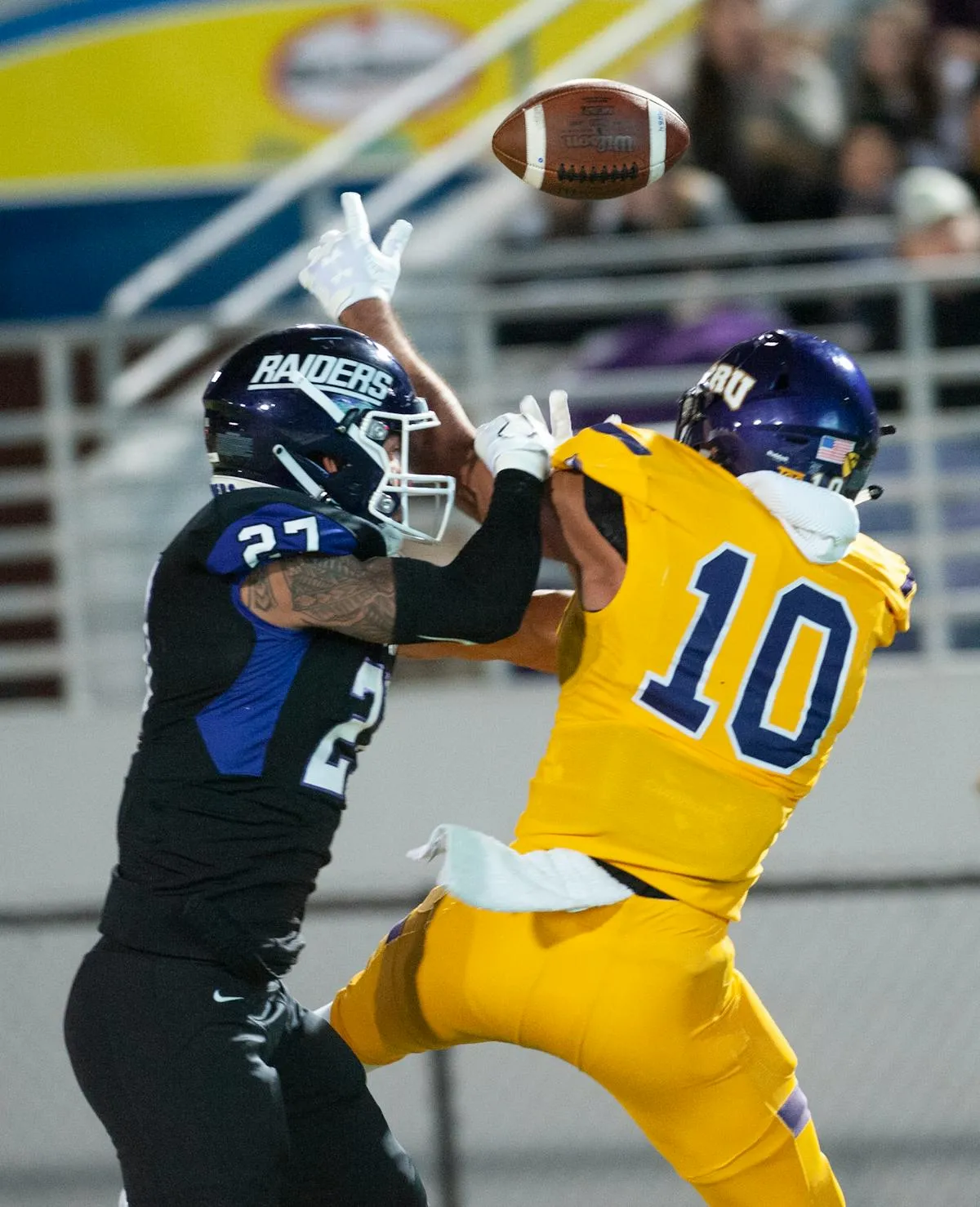
American football players in action during a game
Sports & Recreation

American Football Risk Assessment Template

The complete guide to creating professional risk assessments for American football teams, leagues, and training programmes.

Free to use Instant PDF download Updated February 2026

The essential guide to American football safety

American football is one of the most popular and physically demanding contact sports. With its combination of high-speed collisions, complex plays, and intense physical requirements, proper safety management is essential for all participants.

A comprehensive risk assessment is crucial for any organisation running American football activities—from youth flag football programmes to full-contact adult leagues. It demonstrates your commitment to player safety, helps prevent injuries, and ensures compliance with governing body requirements.

This guide covers everything you need to create a thorough American football risk assessment—from tackling technique and equipment requirements to heat illness prevention, concussion protocols, and emergency medical procedures.

American football player on game day
Sport & Fitness

Why American football is worth the investment

Understanding the benefits helps communicate value while creating a balanced risk assessment.

Strength & Power

Develops explosive strength, power, and muscular endurance through intensive training and game play.

Teamwork

Builds exceptional teamwork and communication skills essential for executing complex offensive and defensive plays.

Strategic Thinking

Develops tactical intelligence and rapid decision-making abilities in high-pressure situations.

Athletic Development

Improves speed, agility, coordination, and overall athletic performance across multiple physical domains.

Mental Toughness

Builds resilience, discipline, and the ability to perform under pressure in competitive environments.

Community & Belonging

Creates strong team bonds and sense of community that extends beyond the playing field.

Who needs an American football risk assessment?

If you're organising any form of American football activity, you need a documented risk assessment:

Adult Contact Teams

Full-contact senior and junior teams require comprehensive risk assessments covering all aspects of the game including tackling, blocking, and game-day operations.

Flag Football Programmes

While lower risk than contact football, flag programmes still need risk assessments covering sprints, sudden direction changes, and collision avoidance.

Youth Development Programmes

Youth football has additional safeguarding requirements and age-appropriate contact limitations that must be documented.

University & College Teams

Academic institution programmes require risk assessments integrated with institutional health and safety policies.

Contact considerations

American football involves intentional high-force collisions. Your risk assessment must specifically address tackling technique, blocking fundamentals, and the progression from non-contact to full-contact training.

Key hazards & control measures

American football has significant inherent risks that must be actively managed.

Concussions High Risk
Potential Harm

Traumatic brain injury, post-concussion syndrome, long-term cognitive effects.

Control Measures
  • Implement formal concussion recognition protocol
  • Remove suspected concussions from play immediately
  • Require medical clearance for return to contact
  • Train all staff on concussion signs and symptoms
Heat Illness High Risk
Potential Harm

Heat cramps, heat exhaustion, heat stroke (potentially fatal).

Control Measures
  • Implement acclimatisation protocols for hot weather
  • Provide unlimited water access during training
  • Schedule rest breaks and helmet-off periods
  • Monitor weather conditions and modify practice
Joint & Ligament Injuries Medium Risk
Potential Harm

ACL/MCL tears, ankle sprains, shoulder dislocations.

Control Measures
  • Implement strength and conditioning programmes
  • Ensure thorough warm-up before contact
  • Maintain field surfaces in good condition
  • Address fatigue as an injury risk factor
Equipment Failure Medium Risk
Potential Harm

Head injuries from helmet failure, impact injuries from pad malfunction.

Control Measures
  • Use only certified equipment (NOCSAE standard)
  • Inspect all equipment before each session
  • Recondition helmets annually
  • Ensure proper fit for all players
Field Conditions Low Risk
Potential Harm

Slips, trips, falls, impact with goal posts or boundary markers.

Control Measures
  • Inspect field before every session
  • Ensure goalposts have padding
  • Remove debris and fill holes
  • Postpone in dangerous weather conditions

This guide covers the most common hazards. Our risk assessment wizard includes 30 hazards and 101+ control measures for American Football, sourced from industry guidance — create your assessment in minutes.

Protective equipment requirements

Proper protective equipment is essential for American football safety.

Helmets

Must be NOCSAE certified, properly fitted, and reconditioned annually. Chinstraps must be fastened during all contact. Facemasks should be appropriate for the player's position.

Shoulder Pads

Position-specific pads providing adequate coverage. Must allow full range of motion while protecting collarbone, shoulders, and upper chest.

Body Pads

Thigh pads, knee pads, and hip pads must be worn in pockets of football trousers. Rib protectors recommended for skill positions.

Mouthguards

Custom-fitted or boil-and-bite mouthguards are mandatory for all contact. Must be in good condition without tears or deformation.

Cleats

Appropriate for field surface. Molded cleats for artificial turf, longer studs for natural grass. No metal spikes.

Equipment checks

Coaches should verify all equipment is worn correctly before every contact session. Players should not participate in contact without complete, properly fitted protective equipment.

Concussion recognition & protocol

Concussion management is one of the most critical aspects of American football safety.

Recognition Signs

Remove from play immediately if any of these signs are observed:

  • Loss of consciousness (even momentarily)
  • Confusion or disorientation
  • Memory loss of events before or after impact
  • Headache or "pressure" in head
  • Balance problems or dizziness
  • Nausea or vomiting
  • Slurred speech
  • Vacant stare or delayed responses

Return to Play Protocol

Players must follow a graduated return protocol:

  1. Rest - Complete physical and cognitive rest until symptom-free
  2. Light Activity - Walking, light stationary cycling (no resistance)
  3. Sport-Specific Exercise - Running, position drills (no contact)
  4. Non-Contact Training - Full practice drills without contact
  5. Full Contact Practice - After medical clearance
  6. Return to Competition - Following successful full contact practice

When in doubt, sit them out

If there is any suspicion of concussion, the player must be removed from activity. No player should return to contact on the same day as a suspected concussion. Medical clearance must be obtained before return to contact activities.

Pre-game & pre-practice checklist

Use this checklist before every session to ensure safety.

Equipment Checks

  • All helmets inspected and fitted
  • Shoulder pads secure and undamaged
  • All body pads in place
  • Mouthguards worn and in good condition
  • Cleats appropriate for surface
  • No jewelry or prohibited items

Field & Conditions

  • Field inspected for hazards
  • Goal post padding in place
  • Weather conditions assessed
  • Lightning protocol reviewed if applicable
  • Boundaries clearly marked
  • Water stations prepared

Medical Readiness

  • First aid kit stocked and accessible
  • First aider present
  • Emergency action plan reviewed
  • AED available and checked
  • Ice available for injuries
  • Emergency contacts accessible

Frequently asked questions

An American football risk assessment should cover: tackling and blocking hazards, protective equipment requirements, concussion recognition and protocols, heat illness prevention, field conditions, coaching qualifications, emergency medical procedures, and return-to-play protocols. Include specific control measures for contact versus non-contact training.

Common American football injuries include concussions, knee ligament tears (ACL, MCL), ankle sprains, shoulder injuries, and fractures. The majority of injuries occur during tackling or being tackled. Proper technique training, conditioning, and correctly fitted protective equipment significantly reduce injury risk.

Required equipment includes: NOCSAE-certified helmet with properly attached facemask, shoulder pads, thigh pads, knee pads, hip pads, mouthguard, and appropriate cleats. All equipment must meet current safety standards, fit properly, and be inspected before each session. Rib protectors and neck rolls are optional but recommended.

Signs of concussion include: loss of consciousness, confusion, memory loss, headache, dizziness, nausea, balance problems, blurred vision, sensitivity to light or noise, feeling "foggy," and delayed responses to questions. If any sign is observed, remove the player immediately and do not allow return to play without medical clearance.

American football coaches should hold governing body recognised coaching qualifications, tackling safety certification (like Heads Up Football), current first aid certification, and appropriate background checks. Youth coaches should also have safeguarding training. All coaches should be trained in concussion recognition and heat illness prevention.

Create your American football risk assessment now

Use our free template builder to create a comprehensive, professional risk assessment for your American football programme in minutes.