Risk Assessment Wizard

Create clear, professional risk assessments in minutes. List hazards, set measures and assign responsibilities, then download a clean PDF branded with your organisation.

Get Started

  • Create a Risk Assessment
Gymnastics training
Sports & Recreation

Gymnastics Risk Assessment Template

The complete guide to creating professional risk assessments for gymnastics clubs, schools, and recreational programs. Covers artistic, rhythmic, and recreational gymnastics.

Free to use Instant PDF download Updated February 2026

The essential guide to gymnastics safety

Gymnastics develops strength, flexibility, coordination, and discipline from a young age. From recreational classes to elite competition, millions participate in artistic gymnastics, rhythmic gymnastics, trampolining, and tumbling programs worldwide.

The nature of gymnastics—working at height on apparatus, performing complex acrobatic skills, and high-impact landings—requires meticulous safety management. A comprehensive risk assessment protects athletes, ensures compliance with governing body standards, and demonstrates professional care.

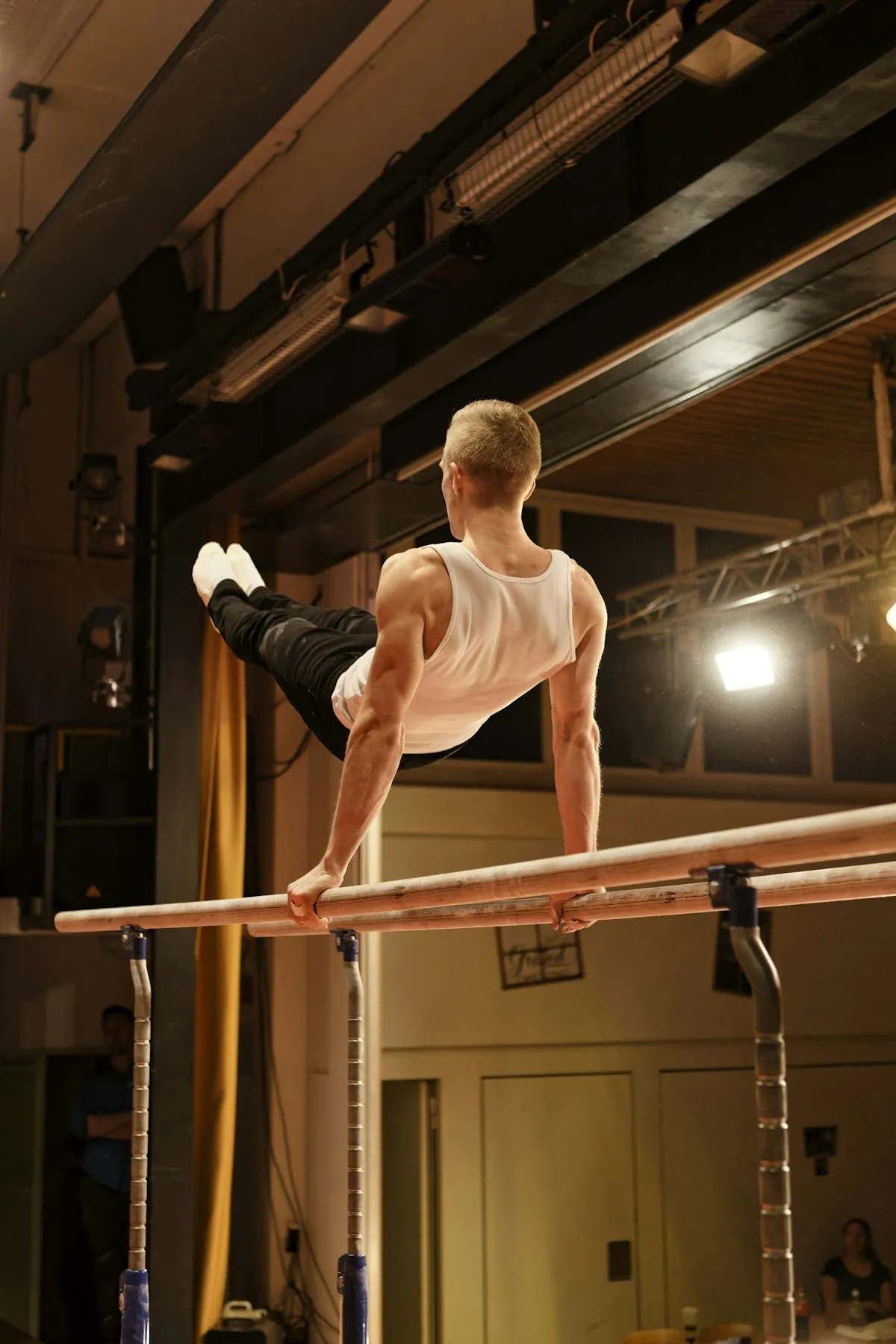
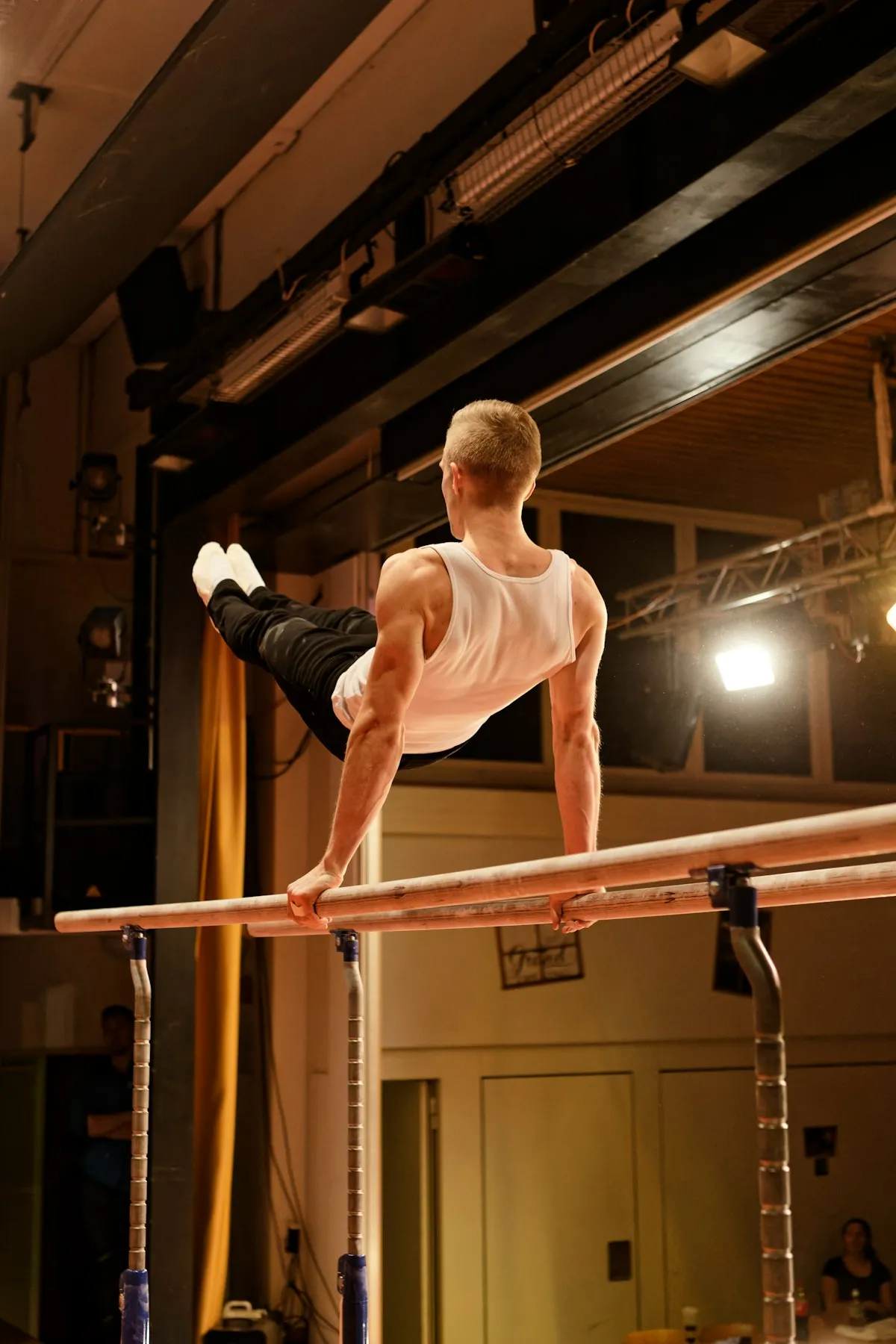
Gymnastics apparatus
Sport & Fitness

Why gymnastics is worth the investment

Flexibility

Increases flexibility and range of motion through stretching and dynamic movements.

Balance & Coordination

Enhances balance and coordination with routines on different apparatuses.

Muscular Strength

Builds muscular strength and endurance through body-weight exercises and routines.

Mental Focus

Develops mental focus and discipline necessary for mastering complex skills.

Body Awareness

Improves body awareness and proprioception through precise and controlled movements.

Injury Prevention

Supports injury prevention and overall physical health with proper training techniques.

Key hazards & control measures

Faulty Gymnastics Equipment High Risk
Potential Harm

Injuries from equipment failure, falls, entrapment.

Control Measures
  • Regularly inspect and maintain all equipment
  • Repair or replace damaged equipment promptly
  • Use equipment that meets safety standards
  • Train staff to identify and report issues
Inadequate Spotters/Supervision High Risk
Potential Harm

Increased risk of falls and injuries due to lack of assistance.

Control Measures
  • Ensure sufficient trained spotters available
  • Provide training on proper spotting techniques
  • Assign experienced coaches to supervise high-risk activities
Incorrect Techniques Medium Risk
Potential Harm

Injuries from improper execution of skills.

Control Measures
  • Provide qualified instruction on correct techniques
  • Use progressive training to build skills safely
  • Monitor and correct improper techniques
Poorly Maintained Mats Medium Risk
Potential Harm

Reduced shock absorption leading to injuries from falls.

Control Measures
  • Inspect mats regularly for wear or damage
  • Replace or repair as needed
  • Ensure mats are correctly positioned and secured
Overcrowded Training Areas Medium Risk
Potential Harm

Collisions, increased injury risk due to limited space.

Control Measures
  • Limit number of participants in training area
  • Schedule sessions to manage group sizes
  • Organize equipment to maximize space
Safeguarding Concerns High Risk
Potential Harm

Risk of abuse, harassment, or neglect.

Control Measures
  • Implement safeguarding policy and train all staff
  • Conduct background checks on coaches
  • Provide clear reporting procedures
  • Foster environment of trust and respect
Overuse Injuries Medium Risk
Potential Harm

Tendonitis, stress fractures, chronic pain from repetitive motions.

Control Measures
  • Incorporate variety in training to reduce strain
  • Encourage proper techniques to minimize stress
  • Provide rest periods and recovery time

This guide covers the most common hazards. Our risk assessment wizard includes 32 hazards and 126+ control measures for Gymnastics, sourced from industry guidance — create your assessment in minutes.

Qualified supervision

All gymnastics sessions must be led by appropriately qualified coaches with:

  • Recognised coaching qualification from national gymnastics federation
  • Background checks for working with children
  • Current first aid certification
  • Spotting competency for apparatus-specific skills
  • Valid insurance

Participant-to-coach ratios

  • Pre-school (3-5 years): 1 coach to 8 gymnasts
  • Recreational (6-12 years): 1 coach to 12 gymnasts
  • Competitive: 1 coach to 6-8 gymnasts
  • Elite/high-risk skills: 1 coach to 4 gymnasts

Pre-session checklist

Apparatus & Equipment

  • All apparatus inspected and secure
  • Mats positioned correctly
  • Adequate spacing between equipment
  • Floor clean, dry, hazard-free
  • First aid kit accessible

Participants

  • Appropriate gymnastics attire
  • No jewellery or accessories
  • Hair tied back securely
  • Any injuries/health issues declared

Ready to create your gymnastics risk assessment?

Use our online wizard to build a professional risk assessment in minutes.

Start Your Free Risk Assessment