Risk Assessment Wizard

Create clear, professional risk assessments in minutes. List hazards, set measures and assign responsibilities, then download a clean PDF branded with your organisation.

Get Started

  • Create a Risk Assessment
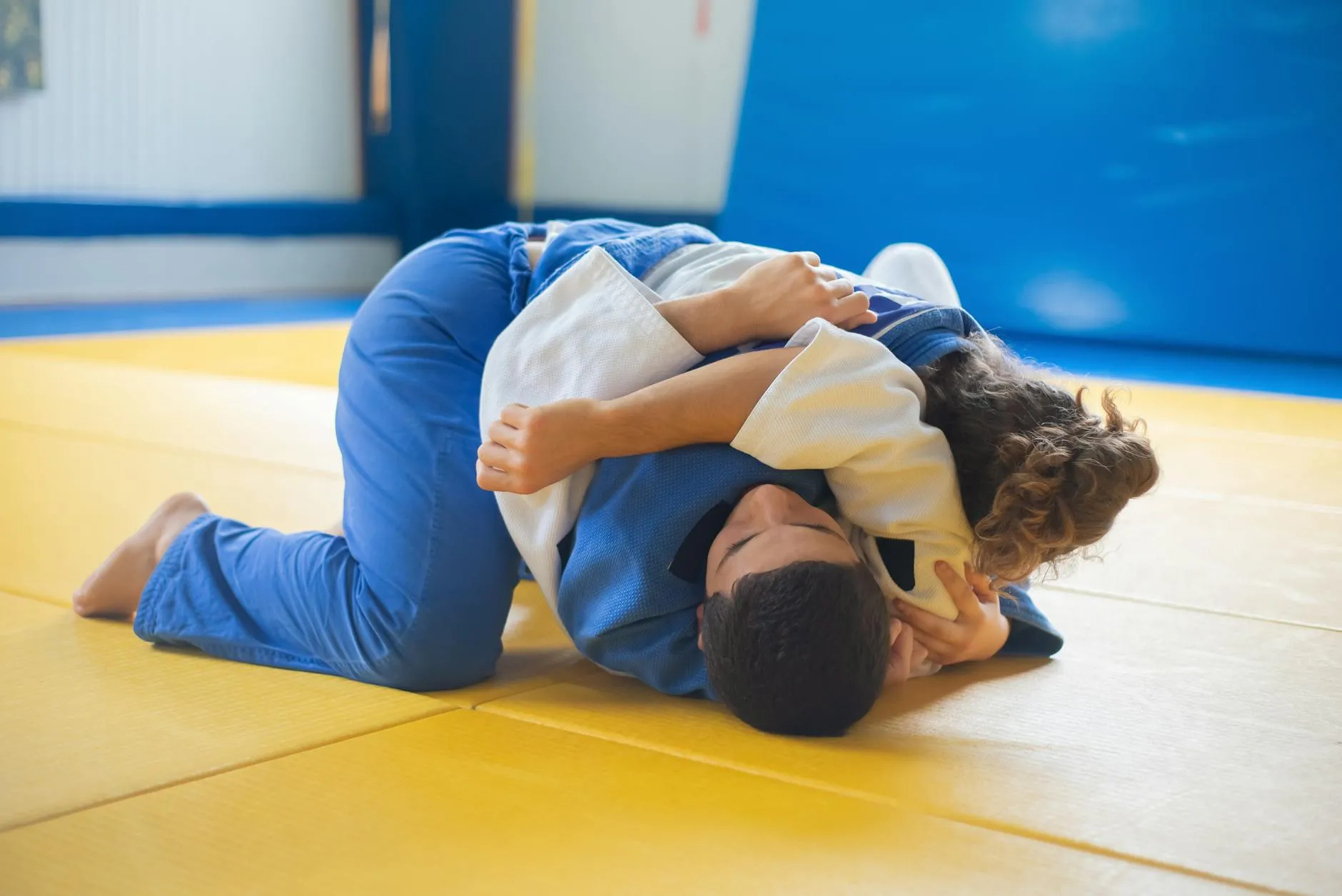
Judo training session
Sports & Recreation

Judo Risk Assessment Template

The complete guide to creating professional risk assessments for judo clubs, schools, and sports organisations. Protect your participants and meet international safety standards.

Free to use Instant PDF download Updated January 2026

The essential guide to judo safety

Judo, meaning "the gentle way," is a widely practised martial art and Olympic sport. Despite its name, judo involves dynamic throwing techniques, groundwork, and controlled combat that carry inherent risks if not properly managed.

A comprehensive risk assessment is essential for any judo club, school programme, or sports organisation. It demonstrates your commitment to participant safety, helps prevent injuries, and ensures compliance with health and safety legislation.

This guide covers everything you need to create a thorough judo risk assessment—from identifying activity-specific hazards to implementing practical control measures that keep your participants safe.

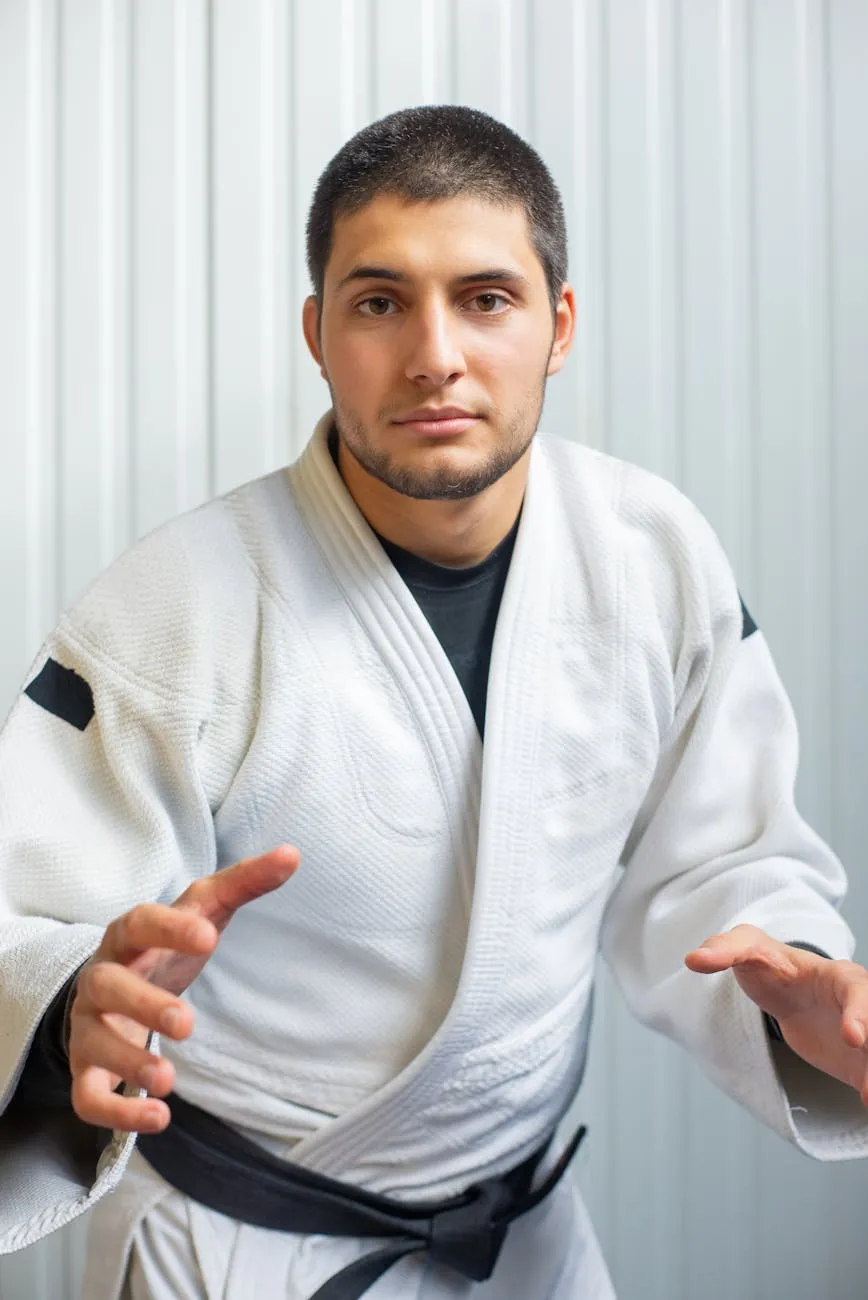
Professional judo instructor
Sport & Fitness

Why judo is worth the investment

Understanding the benefits helps you communicate value to participants while creating a balanced risk assessment.

Muscular Strength

Enhances muscular strength and endurance through throws and grappling techniques.

Balance & Coordination

Improves balance and coordination essential for effective execution of techniques.

Discipline & Focus

Develops discipline and mental focus required for mastering judo principles.

Cardiovascular Fitness

Boosts cardiovascular fitness and stamina with continuous active participation.

Flexibility

Increases flexibility and range of motion through dynamic movements and holds.

Mental Resilience

Supports mental resilience and stress management through structured training and sparring.

Who needs a judo risk assessment?

If you're involved in organising or delivering judo activities, you need a documented risk assessment. This applies to:

Judo Clubs & Dojos

Whether you're a community club affiliated with your national judo federation, an independent dojo, or a university judo society, you have a duty of care to your members. Your risk assessment should cover regular training sessions, gradings, internal competitions, and special events.

Schools & Educational Settings

Schools offering judo as part of physical education curriculum, after-school clubs, or enrichment programmes must conduct risk assessments. Educational settings have additional safeguarding considerations for young participants.

Sports Centres & Leisure Facilities

Commercial venues hosting judo classes should ensure appropriate risk assessments are in place, coordinating with judo instructors to cover all aspects of safety.

Competition Organisers

Anyone organising judo competitions needs specific risk assessments covering the competition environment, weigh-in procedures, medical provisions, and crowd management.

Insurance requirement

Most insurance providers require documented risk assessments as a condition of coverage. Without one, your liability insurance may be invalid in the event of a claim.

Key hazards & control measures

Effective risk assessment starts with thorough hazard identification. Here are the primary hazards associated with judo training.

Poor Breakfall Technique High Risk
Potential Harm

Head injuries, fractures, sprains.

Control Measures
  • Teach and practice proper breakfall (ukemi) techniques
  • Use supervision during practice
  • Incorporate drills focused on safe landing
Benefit

Proper breakfall techniques prevent injuries and allow safe practice.

Groundwork High Risk
Potential Harm

Joint injuries, muscle strains, bruises.

Control Measures
  • Provide comprehensive training on safe groundwork techniques
  • Use padded mats to minimize impact
  • Supervise groundwork sessions to ensure correct execution
Benefit

Effective groundwork techniques improve grappling skills while minimizing injury risks.

Incorrect Application of Submission Techniques High Risk
Potential Harm

Joint injuries, muscle strains, nerve damage.

Control Measures
  • Provide detailed instruction on safe application and release of submission holds
  • Use controlled drills to practice submissions under supervision
  • Educate participants on recognizing the limits of their partners
  • Encourage tapping out to prevent overexertion
Benefit

Properly executed submissions enhance technical skills while minimizing injury risks.

Head Injuries from Falls High Risk
Potential Harm

Concussions, traumatic brain injuries, skull fractures.

Control Measures
  • Mandate the use of headgear during training and competition
  • Provide training on safe falling techniques
  • Supervise practices to ensure adherence to safety protocols
Benefit

Protective headgear significantly reduces the risk of serious head injuries.

Collisions Between Participants Medium Risk
Potential Harm

Bruises, fractures, head injuries from impacts.

Control Measures
  • Implement clear rules regarding spacing and engagement
  • Use controlled drills to practice movements safely
  • Educate participants on maintaining awareness of their surroundings
Benefit

Controlled interactions reduce collision risks and enhance training effectiveness.

Infectious Diseases Medium Risk
Potential Harm

Skin infections, fungal infections, communicable illnesses.

Control Measures
  • Enforce strict hygiene protocols including regular mat cleaning and equipment sanitization
  • Encourage participants to shower and change into clean gear after training
  • Provide access to hand sanitizers and disinfectants
Benefit

Maintaining hygiene prevents the spread of infections and promotes a healthy training environment.

Slippery Mats from Sweat or Condensation Medium Risk
Potential Harm

Slips, trips, falls, muscle strains.

Control Measures
  • Implement regular mat cleaning and drying protocols
  • Encourage the use of sweat-absorbing attire
  • Provide grip-enhancing products like chalk or grip sprays
Benefit

Clean and dry mats reduce slip risks, ensuring safer training sessions.

Gripping Medium Risk
Potential Harm

Hand and forearm strain, calluses, reduced grip strength.

Control Measures
  • Teach proper grip techniques to distribute stress evenly
  • Encourage the use of grip aids such as chalk
  • Provide hand-strengthening exercises as part of the training regimen
  • Rotate grip positions to reduce strain
Benefit

Proper grip management enhances performance and reduces hand-related injuries.

Safeguarding High Risk
Potential Harm

Risk of abuse or neglect, especially for minors.

Control Measures
  • Implement a comprehensive safeguarding policy and ensure all staff are trained
  • Conduct background checks on instructors and volunteers
  • Establish clear reporting procedures for any concerns
  • Maintain appropriate supervision ratios and never leave minors unattended
  • Educate participants on their rights and who to contact if they feel unsafe
Benefit

Creates a safe and supportive environment for all participants, especially minors.

This guide covers the most common hazards. Our risk assessment wizard includes 31 hazards and 112+ control measures for Judo, sourced from industry guidance — create your assessment in minutes.

Qualified supervision

All judo sessions must be led by appropriately qualified instructors. Essential requirements include:

  • Recognised coaching qualification from your national federation or an IJF-approved programme
  • Background/safeguarding check for anyone working with children or vulnerable adults
  • Current first aid certification (recommended minimum 6-hour course)
  • Safeguarding training (child protection awareness)
  • Valid insurance covering coaching activities

Participant-to-coach ratios

Recommended maximum ratios for safe supervision:

  • Under 8s: 1 coach to 10 participants
  • 8-12 years: 1 coach to 15 participants
  • 13+ and adults: 1 coach to 20 participants

For high-risk activities like competition training or new technique introduction, ratios should be lower.

Concussion protocol

If in doubt, sit them out. Any participant suspected of concussion must immediately stop training and not return until medically cleared. Follow your national sports concussion guidelines.

Assessing participant abilities for safe pairing

One of the most critical aspects of judo safety is appropriate pairing during practice. Before any randori or sparring activity, coaches should assess participants based on:

Technical ability

  • Current grade (kyu/dan ranking) and years of judo experience
  • Proficiency in ukemi (breakfalling)
  • Technical control and spatial awareness

Physical attributes

  • Body weight (significant mismatches increase injury risk)
  • Height, reach, strength and fitness level
  • Any physical limitations or disabilities

Health considerations

  • Current injuries or recent recovery
  • Medical conditions affecting participation
  • Fatigue level during session

Practical tip

For mixed-ability sessions, use "restricted randori" where only specific techniques are allowed, or "French randori" where participants rotate partners every 2 minutes—this prevents prolonged mismatches and keeps intensity manageable.

Pre-session checklist

Venue & Equipment

  • Mats clean, dry, and properly secured
  • No gaps between mats
  • Adequate safety zone around mat edge
  • Training area clear of obstacles
  • Wall padding in place (if applicable)
  • First aid kit accessible and stocked
  • Emergency exits clear

Participants

  • All wearing clean, appropriate judogi
  • No jewellery, watches, or piercings
  • Fingernails and toenails trimmed short
  • Long hair tied back securely
  • Any injuries/health issues declared
  • No visible skin infections
  • Membership and insurance valid

Supervision & Documentation

  • Qualified coach(es) present
  • Appropriate coach-to-participant ratio
  • First aider identified and present
  • Attendance register completed
  • Session plan appropriate for participants

Frequently asked questions

A judo risk assessment should include: identification of hazards specific to judo (throws, groundwork, submissions), who is at risk, existing control measures, risk ratings before and after controls, emergency procedures, and review dates. It should also cover mat safety, instructor qualifications, participant ability assessments, and safeguarding provisions.

Judo clubs should review their risk assessments at least annually, or whenever there are significant changes such as new activities, venue changes, equipment updates, or after any incident or near-miss. Best practice is to document all reviews with dates and signatures.

In most countries, organisations with employees are legally required to conduct risk assessments. Even volunteer-run clubs have a duty of care to participants and should document their risk management processes. Insurance providers also typically require documented risk assessments as a condition of coverage.

The most common judo injuries include: shoulder injuries from throws and falls, knee injuries from pivoting movements, finger and hand injuries from gripping (kumi-kata), neck strains, concussions from falls or accidental contact, and skin infections from mat contact. A thorough risk assessment should address prevention measures for each.

Judo instructors should hold a coaching qualification recognised by their national judo federation or the International Judo Federation (IJF), appropriate background/safeguarding checks, current first aid certification, and safeguarding training. For competition coaching, higher qualifications are typically recommended. Check with your national federation for specific requirements.

No—you can begin filling out your risk assessment straight away without creating an account. Create a free account only if you want to save your work for later editing. You can download a PDF at the end regardless of account status.

Ready to create your judo risk assessment?

Use our online wizard to build a professional, comprehensive risk assessment in minutes. Pre-loaded with judo-specific hazards and control measures.

Start Your Free Risk Assessment

Instant access • No credit card required • Download PDF immediately

Related risk assessments

Explore other martial arts and combat sports templates