
Risk Assessment Wizard

Create clear, professional risk assessments in minutes. List hazards, set measures and assign responsibilities, then download a clean PDF branded with your organisation.

Get Started

  • Create a Risk Assessment
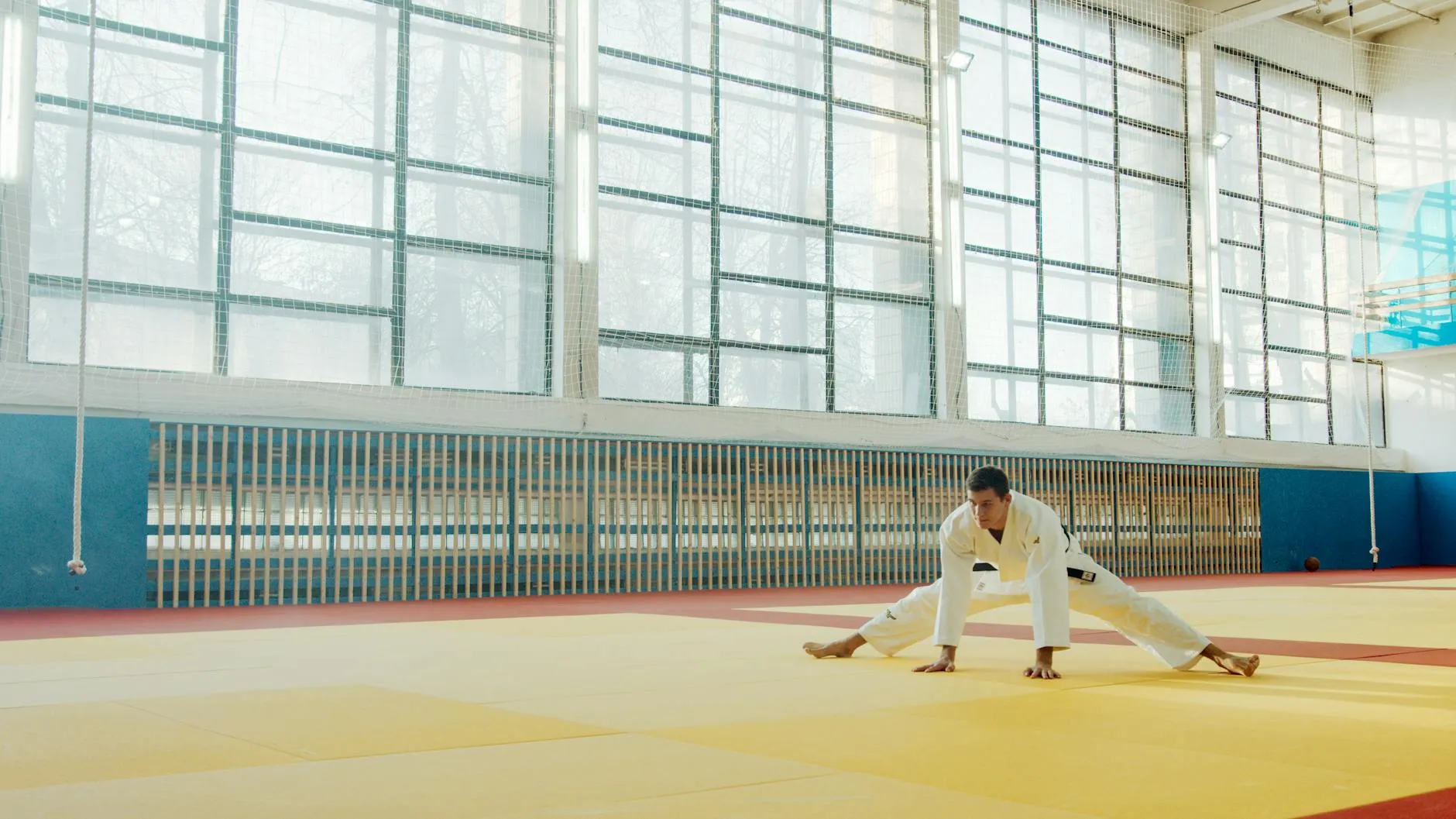
Karate training session
Sports & Recreation

Karate Risk Assessment Template

The complete guide to creating professional risk assessments for karate dojos, schools, and martial arts organisations. Protect your students and meet international safety standards.

Free to use Instant PDF download Updated February 2026

The essential guide to karate safety

Karate is one of the world's most popular martial arts, with millions of practitioners across all age groups. While it emphasises discipline, self-control, and precise technique, the dynamic nature of strikes, kicks, and sparring carries inherent risks that must be properly managed.

A comprehensive risk assessment is essential for any karate dojo, school programme, or sports organisation. It demonstrates your commitment to student safety, helps prevent injuries, and ensures compliance with health and safety legislation.

This guide covers everything you need to create a thorough karate risk assessment—from identifying activity-specific hazards to implementing practical control measures that keep your students safe.

Karate kata demonstration
Sport & Fitness

Why karate is worth the investment

Understanding the benefits helps you communicate value to participants while creating a balanced risk assessment.

Muscular Strength

Enhances muscular strength and endurance through striking and kicking exercises.

Coordination & Balance

Improves coordination and balance essential for effective technique execution.

Mental Focus

Develops mental focus and discipline required for mastering karate forms and techniques.

Cardiovascular Fitness

Boosts cardiovascular fitness and stamina through high-intensity training sessions.

Flexibility

Increases flexibility and range of motion through dynamic stretching and movement.

Self-Confidence

Supports self-confidence and mental resilience through skill development and achievement.

Who needs a karate risk assessment?

If you're involved in organising or delivering karate activities, you need a documented risk assessment. This applies to:

Karate Dojos & Clubs

Whether you're a community club affiliated with a national karate federation, an independent dojo, or a university karate society, you have a duty of care to your members. Your risk assessment should cover regular training sessions, gradings, competitions, and special events.

Schools & Educational Settings

Schools offering karate as part of physical education curriculum, after-school clubs, or enrichment programmes must conduct risk assessments. Educational settings have additional safeguarding considerations for young participants.

Sports Centres & Leisure Facilities

Commercial venues hosting karate classes should ensure appropriate risk assessments are in place, coordinating with karate instructors to cover all aspects of safety.

Competition Organisers

Anyone organising karate competitions needs specific risk assessments covering the competition environment, weigh-in procedures, medical provisions, and crowd management.

Insurance requirement

Most insurance providers require documented risk assessments as a condition of coverage. Without one, your liability insurance may be invalid in the event of a claim.

Key hazards & control measures

Effective risk assessment starts with thorough hazard identification. Here are the primary hazards associated with karate training.

Head Impacts High Risk
Potential Harm

Concussions, traumatic brain injuries, skull fractures.

Control Measures
  • Mandate the use of headgear during sparring and competitions
  • Educate participants on the dangers of head impacts
  • Provide training on safe falling and head movement techniques
  • Supervise sessions to prevent excessive head contact
Benefit

Protective headgear significantly reduces the risk of serious head injuries.

Kicks and Punches High Risk
Potential Harm

Bruises, fractures, sprains, head injuries.

Control Measures
  • Provide training on controlled and proper execution of kicks and punches
  • Use protective gear such as gloves and shin guards
  • Supervise practice sessions to ensure techniques are performed safely
  • Implement rules on acceptable levels of contact during practice
Benefit

Proper execution of techniques enhances skill while minimizing injury risks.

Falls During Sparring or Kata Medium Risk
Potential Harm

Fractures, sprains, head trauma.

Control Measures
  • Provide training on proper falling techniques (ukemi)
  • Ensure mats are adequately padded
  • Supervise sparring and kata sessions to ensure safe execution of techniques
  • Encourage controlled practice with partners of appropriate skill levels
Benefit

Proper falling techniques prevent injuries and allow safe practice of techniques.

Collisions During Drills Medium Risk
Potential Harm

Bruises, fractures, head injuries from impacts.

Control Measures
  • Implement clear rules regarding spacing and engagement during drills
  • Use controlled drills to practice movements safely
  • Educate participants on maintaining awareness of their surroundings
Benefit

Controlled interactions reduce collision risks and enhance training effectiveness.

Poor-Quality Protective Gear Medium Risk
Potential Harm

Increased injury severity due to inadequate protection.

Control Measures
  • Conduct regular inspections of all protective gear for signs of wear or damage
  • Replace any faulty or damaged gear promptly
  • Use high-quality, safety-certified protective equipment
  • Educate participants on the importance of using and maintaining protective gear
Benefit

Reliable protective gear ensures effective protection and reduces injury risks.

Wet or Poorly Maintained Floors Medium Risk
Potential Harm

Slips, trips, falls, injuries from unstable or slippery surfaces.

Control Measures
  • Regularly inspect and maintain training areas to ensure dry and stable floor conditions
  • Use non-slip mats and proper flooring materials
  • Repair any damaged surfaces promptly
  • Educate participants on safe movement practices in the dojo
Benefit

Safe floor conditions allow participants to train effectively without slipping risks.

Improper Warm-up/Cool-down Medium Risk
Potential Harm

Muscle strains, sprains, injuries from insufficient preparation or recovery.

Control Measures
  • Implement mandatory warm-up routines that include dynamic stretching and light exercises
  • Encourage cool-down sessions with static stretching and relaxation techniques after training
  • Educate participants on the importance of warming up and cooling down to prevent injuries
Benefit

Proper warm-up and cool-down enhance performance and reduce the likelihood of injuries.

Inadequate Instructor Supervision Medium Risk
Potential Harm

Unsafe behavior, increased injury risk, delayed emergency response.

Control Measures
  • Ensure qualified instructors or supervisors are present during all training sessions
  • Maintain appropriate participant-to-instructor ratios
  • Supervise activities closely to enforce safety rules and intervene when necessary
  • Provide ongoing training for supervisors on safety and emergency procedures
Benefit

Effective supervision ensures safe training and prompt response to incidents.

Safeguarding High Risk
Potential Harm

Risk of abuse or neglect, especially for minors.

Control Measures
  • Implement a comprehensive safeguarding policy and ensure all staff are trained
  • Conduct background checks on instructors and volunteers
  • Establish clear reporting procedures for any concerns
  • Maintain appropriate supervision ratios and never leave minors unattended
  • Educate participants on their rights and who to contact if they feel unsafe
Benefit

Creates a safe and supportive environment for all participants, especially minors.

This guide covers the most common hazards. Our risk assessment wizard includes 35 hazards and 139+ control measures for Karate, sourced from industry guidance — create your assessment in minutes.

Qualified supervision

All karate sessions must be led by appropriately qualified instructors. Essential requirements include:

  • Recognised coaching qualification from your national federation or a WKF-approved programme
  • Background/safeguarding check for anyone working with children or vulnerable adults
  • Current first aid certification (recommended minimum 6-hour course)
  • Safeguarding training (child protection awareness)
  • Valid insurance covering coaching activities

Participant-to-instructor ratios

Recommended maximum ratios for safe supervision:

  • Under 8s: 1 instructor to 10 participants
  • 8-12 years: 1 instructor to 15 participants
  • 13+ and adults: 1 instructor to 20 participants

For high-risk activities like competition training or sparring, ratios should be lower.

Concussion protocol

If in doubt, sit them out. Any participant suspected of concussion must immediately stop training and not return until medically cleared. Follow your national sports concussion guidelines.

Protective equipment requirements

Appropriate protective equipment is essential for safe karate practice, particularly during sparring and competition:

Mandatory Equipment for Sparring

  • Headgear - WKF-approved for competition sparring
  • Mouthguard - Custom-fitted recommended
  • Body protector - For kumite (sparring) training
  • Groin guard - Required for all male participants
  • Shin guards - To protect against kicks
  • Forearm guards - Optional but recommended

Equipment Inspection

All protective equipment should be inspected before each session. Look for:

  • Cracks or damage to hard-shell protectors
  • Worn or compressed padding
  • Broken straps or fastenings
  • Hygiene issues (odour, discolouration)

Equipment standards

For competition, ensure all equipment meets WKF specifications. Check with your national federation for approved equipment lists.

Pre-session checklist

Venue & Equipment

  • Training floor clean, dry, and free from hazards
  • Mats properly secured (if used)
  • Adequate space for all participants
  • Training area clear of obstacles
  • Protective equipment inspected
  • First aid kit accessible and stocked
  • Emergency exits clear

Participants

  • All wearing clean, appropriate gi
  • No jewellery, watches, or piercings
  • Fingernails and toenails trimmed short
  • Long hair tied back securely
  • Any injuries/health issues declared
  • Protective gear worn for sparring
  • Membership and insurance valid

Supervision & Documentation

  • Qualified instructor(s) present
  • Appropriate instructor-to-participant ratio
  • First aider identified and present
  • Attendance register completed
  • Session plan appropriate for participants

Frequently asked questions

A karate risk assessment should include: identification of hazards specific to karate (sparring, strikes, throws, kata), who is at risk, existing control measures, risk ratings before and after controls, emergency procedures, and review dates. It should also cover floor safety, instructor qualifications, participant ability assessments, and safeguarding provisions.

Karate clubs should review their risk assessments at least annually, or whenever there are significant changes such as new activities, venue changes, equipment updates, or after any incident or near-miss. Best practice is to document all reviews with dates and signatures.

Yes, protective equipment such as headgear, mouthguards, body protectors, and groin guards is typically mandatory during sparring (kumite) and competitions. Requirements vary by federation and competition level, so check with your national karate organisation for specific requirements.

The most common karate injuries include: bruises and contusions from strikes, sprains and strains (particularly ankle and wrist), finger and hand injuries, head injuries from sparring contact, and overuse injuries from repetitive movements. A thorough risk assessment should address prevention measures for each.

Karate instructors should hold a coaching qualification recognised by their national karate federation or the World Karate Federation (WKF), appropriate background/safeguarding checks, current first aid certification, and safeguarding training. Check with your national federation for specific requirements.

No—you can begin filling out your risk assessment straight away without creating an account. Create a free account only if you want to save your work for later editing. You can download a PDF at the end regardless of account status.

Ready to create your karate risk assessment?

Use our online wizard to build a professional, comprehensive risk assessment in minutes. Pre-loaded with karate-specific hazards and control measures.

Start Your Free Risk Assessment

Instant access • No credit card required • Download PDF immediately

Related risk assessments

Explore other martial arts and combat sports templates