Risk Assessment Wizard

Create clear, professional risk assessments in minutes. List hazards, set measures and assign responsibilities, then download a clean PDF branded with your organisation.

Get Started

  • Create a Risk Assessment
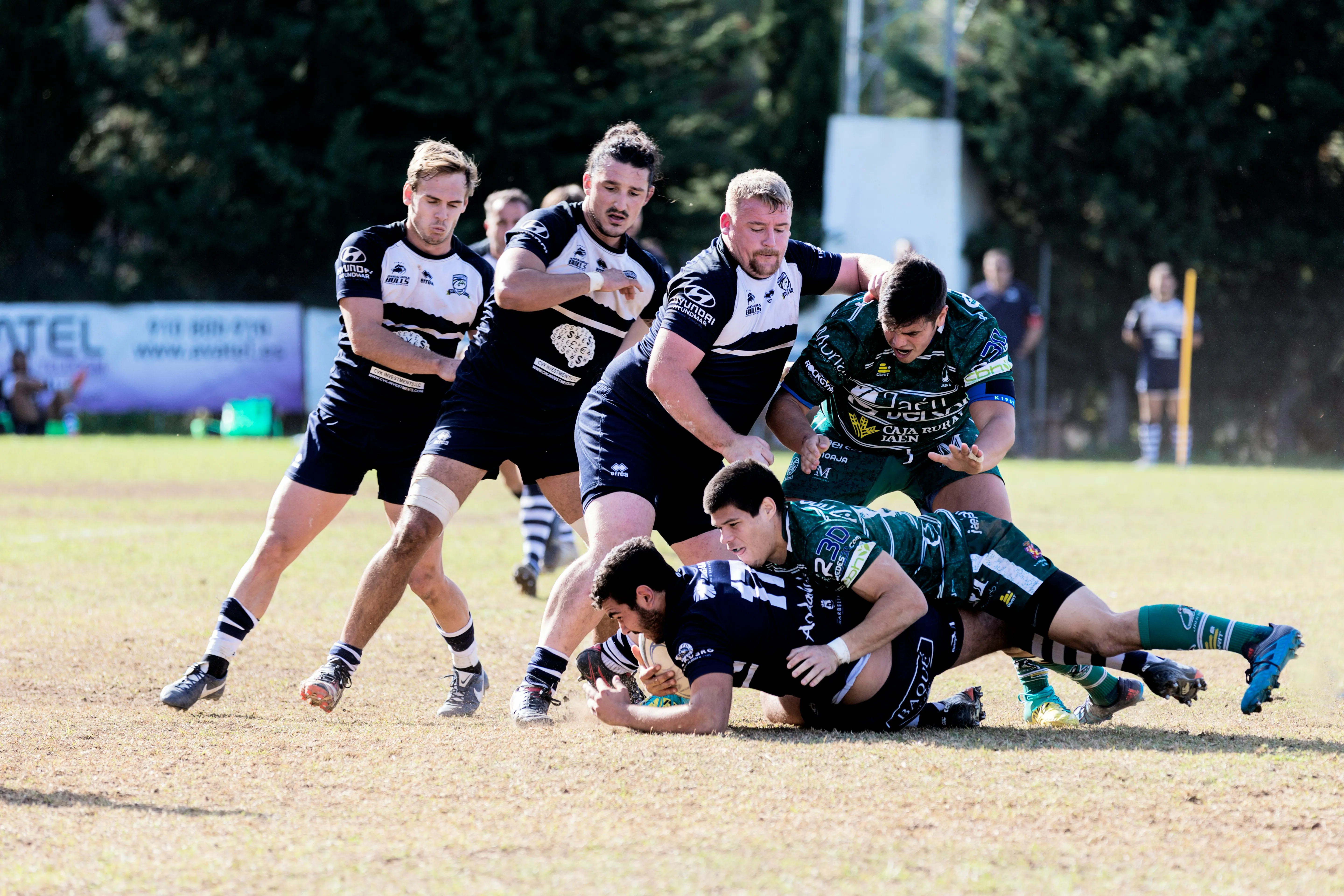
Rugby match action
Sports & Recreation

Rugby Risk Assessment Template

The complete guide to creating professional risk assessments for rugby clubs, schools, and sports organisations. Protect your players and meet international safety standards.

Free to use Instant PDF download Updated January 2026

The essential guide to rugby safety

Rugby is one of the world's most physical team sports, played at all levels from youth to professional. The contact nature of the game—with tackling, scrummaging, and rucking—provides tremendous physical and mental benefits but also carries significant risks that require careful management.

A comprehensive risk assessment is essential for any rugby club, school programme, or sports organisation. It demonstrates your commitment to player welfare, helps prevent serious injuries, and ensures compliance with World Rugby regulations and health and safety legislation.

This guide covers everything you need to create a thorough rugby risk assessment—from identifying activity-specific hazards to implementing practical control measures that keep your players safe on the pitch.

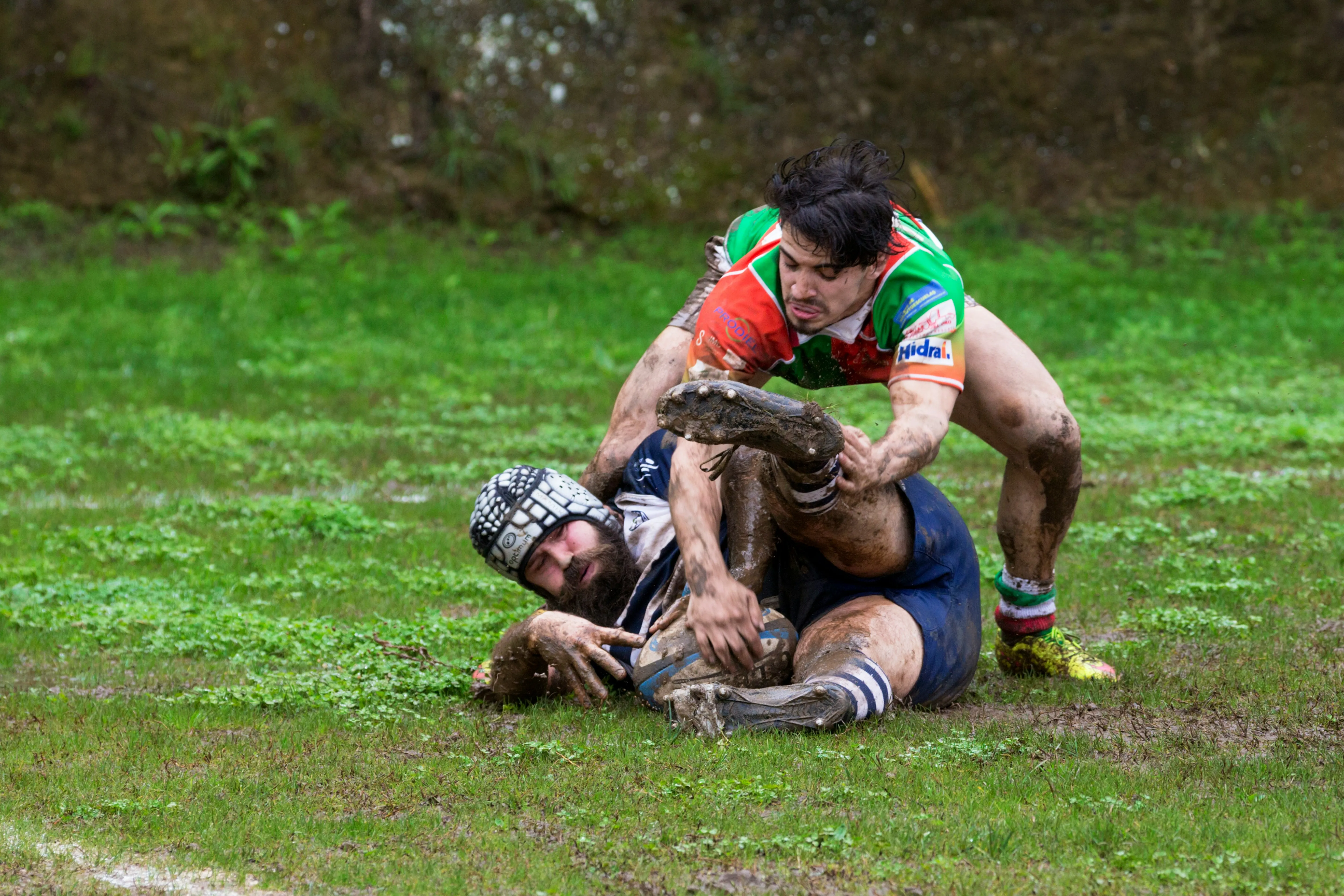
Rugby players in action
Sport & Fitness

Why rugby is worth the investment

Understanding the benefits helps you communicate value to participants while creating a balanced risk assessment.

Cardiovascular Fitness

Enhances cardiovascular fitness and stamina through continuous and high-intensity play.

Muscular Strength

Develops muscular strength and power through tackling, scrummaging, and dynamic movements.

Teamwork Skills

Improves teamwork and communication skills essential for coordinated team strategies.

Agility & Flexibility

Boosts agility and flexibility with frequent changes in direction and physical demands.

Mental Resilience

Increases mental resilience and focus required for competitive and physically demanding games.

Physical Fitness

Supports weight management and physical fitness through rigorous training and active participation.

Who needs a rugby risk assessment?

If you're involved in organising or delivering rugby activities, you need a documented risk assessment. This applies to:

Rugby Clubs

Whether you're a community club affiliated with your national rugby union, a professional academy, or a social rugby team, you have a duty of care to your players. Your risk assessment should cover regular training sessions, matches, tours, and special events.

Schools & Educational Settings

Schools offering rugby as part of physical education curriculum, after-school clubs, or inter-school fixtures must conduct risk assessments. Educational settings have additional safeguarding considerations and may need to consider modified rules for younger players.

Sports Centres & Leisure Facilities

Commercial venues hosting rugby activities should ensure appropriate risk assessments are in place, coordinating with coaches to cover all aspects of safety including pitch conditions and equipment.

Tournament & Event Organisers

Anyone organising rugby competitions, sevens tournaments, or rugby festivals needs specific risk assessments covering the competition environment, multiple pitches, medical provisions, and crowd management.

Insurance requirement

Most insurance providers require documented risk assessments as a condition of coverage. Without one, your liability insurance may be invalid in the event of a claim. Rugby's contact nature makes this especially critical.

Key hazards & control measures

Effective risk assessment starts with thorough hazard identification. Here are the primary hazards associated with rugby.

Incorrect Tackling Technique High Risk
Potential Harm

Injuries to self and others, neck and spine injuries.

Control Measures
  • Provide coaching on proper tackling techniques
  • Enforce rules against illegal tackles (high, dangerous, spear)
  • Use progressive drills for safe practice
  • Monitor and correct players during training
Benefit

Proper techniques enhance safety and are fundamental to good rugby.

Impact with the Ground High Risk
Potential Harm

Bruises, fractures, concussions from hard landings.

Control Measures
  • Provide training on safe falling and landing techniques
  • Ensure the field is adequately maintained and not overly hard
  • Use appropriate protective gear
  • Encourage proper tackling and contact techniques
Benefit

Proper techniques reduce injury risk and improve gameplay.

Slipping on Wet Grass Medium Risk
Potential Harm

Sprains, strains, fractures from falls.

Control Measures
  • Ensure the playing field has proper drainage
  • Players should wear appropriate cleated footwear for traction
  • Cancel or postpone matches in severe weather conditions
  • Conduct field inspections before play
Benefit

Playing in various weather conditions improves adaptability.

Insufficient Protective Gear High Risk
Potential Harm

Increased injury risk from impacts.

Control Measures
  • Recommend appropriate protective equipment (mouthguards mandatory)
  • Ensure gear fits properly and meets World Rugby standards
  • Inspect gear regularly for wear and damage
  • Educate players on gear importance
Benefit

Protective gear significantly reduces injuries when used correctly.

Collision with Goalpost Medium Risk
Potential Harm

Head injuries, concussions, bruises.

Control Measures
  • Ensure goalposts are padded, especially at impact points
  • Educate players on spatial awareness near goal areas
  • Secure goalposts properly to prevent movement
  • Enforce rules to prevent dangerous play near goalposts
Benefit

Safety measures reduce injury risk without affecting play.

Aggressive Play Medium Risk
Potential Harm

Injuries from excessive force, fights.

Control Measures
  • Enforce rules against unsportsmanlike conduct
  • Educate on fair play and respect
  • Penalize aggressive behavior firmly
  • Provide conflict resolution training
Benefit

Promotes sportsmanship and safety while maintaining rugby's competitive nature.

Inadequate Warm-Up Medium Risk
Potential Harm

Muscle strains, sprains, injuries.

Control Measures
  • Implement mandatory warm-up routines
  • Include dynamic stretching and rugby-specific movements
  • Allocate sufficient time for warm-up
  • Educate on warm-up importance
Benefit

Proper warm-up enhances performance and significantly reduces injury risk.

Poor Weather Conditions Medium Risk
Potential Harm

Hypothermia, heatstroke, visibility issues.

Control Measures
  • Monitor weather forecasts and adjust schedules accordingly
  • Provide appropriate clothing recommendations
  • Ensure hydration is available
  • Cancel or postpone matches in extreme conditions
Benefit

Playing in different conditions enhances adaptability and resilience.

Safeguarding High Risk
Potential Harm

Risk of abuse or neglect, especially for minors.

Control Measures
  • Implement safeguarding policies and train all staff
  • Conduct background checks on coaches and volunteers
  • Provide clear reporting procedures
  • Maintain appropriate supervision and never leave minors unattended
Benefit

Creates a safe environment promoting trust and player development.

This guide covers the most common hazards. Our risk assessment wizard includes 31 hazards and 124+ control measures for Rugby, sourced from industry guidance — create your assessment in minutes.

Qualified supervision

All rugby sessions must be led by appropriately qualified coaches. Essential requirements include:

  • Recognised coaching qualification from your national rugby union (minimum Level 1/Foundation)
  • Background/safeguarding check for anyone working with children or vulnerable adults
  • Current first aid certification (recommended minimum Emergency First Aid)
  • Safeguarding training (child protection awareness)
  • Valid insurance covering coaching activities
  • Concussion awareness training (World Rugby requirement)

Player-to-coach ratios

Recommended maximum ratios for safe supervision:

  • Under 7s (Tag Rugby): 1 coach to 10 players
  • Under 8-12s: 1 coach to 12 players
  • Under 13-18s: 1 coach to 15 players
  • Adults: 1 coach to 20 players

For contact sessions, scrummaging practice, or match days, lower ratios are strongly recommended.

Head Injury Assessment (HIA) Protocol

Recognize and Remove. Any player showing signs of concussion must immediately be removed from play. Follow World Rugby's "If in doubt, sit them out" policy. No player should return to play on the same day. Medical clearance using the Graduated Return to Play protocol is mandatory.

Safe tackling techniques

Tackling is a fundamental skill in rugby, but incorrect technique is a leading cause of injury. Before any contact training, coaches should ensure players understand:

Key Principles of Safe Tackling

  • Head position: Cheek to cheek—head should never be in front of the ball carrier
  • Body position: Low body position with bent knees, straight back
  • Arm wrap: Arms wrap securely around the player's legs/waist
  • Drive through: Use legs to drive, not fall
  • Release: Immediate release when tackle is complete

Progressive Teaching Approach

  • Start with technique drills using tackle bags/shields
  • Progress to controlled 1-on-1 scenarios at walking pace
  • Gradually increase speed and intensity
  • Introduce live tackling only when technique is consistently safe

High-Risk Tackle Types to Address

  • High tackles (above the line of the shoulders)
  • Tip/spear tackles (lifting and dropping)
  • No-arm tackles (shoulder charges)
  • Tackles on players in the air

World Rugby Resources

World Rugby provides free online resources including the Tackle Ready programme which teaches progressive tackle techniques. All coaches should be familiar with these materials and the latest laws regarding tackle height.

Pre-session checklist

Pitch & Equipment

  • Pitch surface is even and free of debris
  • Goalposts padded at base
  • Corner flags flexible/safe
  • Field markings visible
  • Ground not waterlogged or frozen
  • First aid kit accessible and stocked
  • Ice packs/cold spray available

Players

  • Mouthguards worn by all players
  • Appropriate boots with safe studs
  • No jewellery or dangerous items
  • Any injuries declared
  • Headgear/shoulder pads if worn (approved)
  • Players adequately hydrated
  • Registration and insurance valid

Supervision & Documentation

  • Qualified coach(es) present
  • First aider identified and present
  • Referee qualified (if match)
  • Attendance register completed
  • HIA/concussion cards available

Frequently asked questions

A rugby risk assessment should include: identification of hazards specific to rugby (tackling, scrums, rucks, mauls, field conditions), who is at risk, existing control measures, risk ratings before and after controls, emergency procedures including HIA protocols, and review dates. It should also cover equipment safety, coach qualifications, participant ability assessments, and safeguarding provisions.

Rugby clubs should review their risk assessments at least annually, or whenever there are significant changes such as new activities, venue changes, equipment updates, law changes, or after any incident or near-miss. Given rugby's physical nature, regular reviews are especially important.

In most countries, organisations with employees are legally required to conduct risk assessments. Even volunteer-run clubs have a duty of care to participants and should document their risk management processes. Insurance providers for contact sports like rugby invariably require documented risk assessments as a condition of coverage.

The most common rugby injuries include: concussions from head impacts, shoulder injuries (dislocations, rotator cuff), knee injuries (ACL, MCL), ankle sprains, muscle strains (hamstring, groin), and facial injuries including lacerations. A thorough risk assessment should address prevention measures for each, with particular emphasis on head injuries.

Rugby coaches should hold a minimum Level 1/Foundation coaching qualification from their national union, appropriate background/safeguarding checks, current first aid certification, safeguarding training, and World Rugby's online concussion education module. For competitive teams or specialist roles (scrum coaching), higher qualifications are strongly recommended.

No—you can begin filling out your risk assessment straight away without creating an account. Create a free account only if you want to save your work for later editing. You can download a PDF at the end regardless of account status.

Ready to create your rugby risk assessment?

Use our online wizard to build a professional, comprehensive risk assessment in minutes. Pre-loaded with rugby-specific hazards and control measures aligned with World Rugby guidelines.

Start Your Free Risk Assessment

Instant access • No credit card required • Download PDF immediately

Related risk assessments

Explore other team sports templates