Risk Assessment Wizard

Create clear, professional risk assessments in minutes. List hazards, set measures and assign responsibilities, then download a clean PDF branded with your organisation.

Get Started

  • Create a Risk Assessment
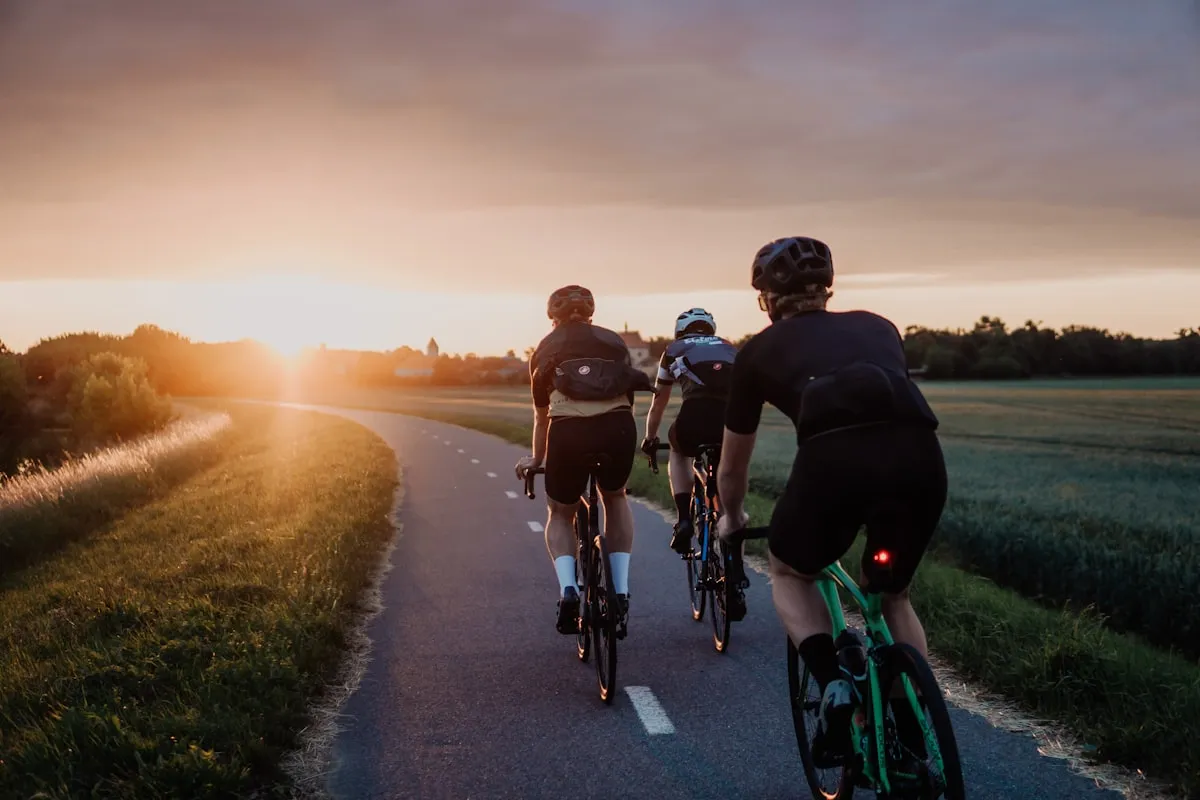
Cyclist on road
Sports & Recreation

Cycling Risk Assessment Template

The complete guide to creating professional risk assessments for cycling clubs, events, and group rides. Protect your riders and meet safety standards.

Free to use Instant PDF download Updated February 2026

The essential guide to cycling safety

Cycling is one of the world's most popular forms of exercise and transportation, with billions of trips taken each year. Whether for recreation, sport, or commuting, cycling presents unique safety considerations that require careful risk management.

A comprehensive risk assessment is essential for any cycling club, event organiser, or group ride leader. It demonstrates your commitment to rider safety, helps prevent accidents, and ensures compliance with health and safety obligations.

This guide covers everything you need to create a thorough cycling risk assessment—from identifying road and environmental hazards to implementing practical control measures that keep your riders safe on every journey.

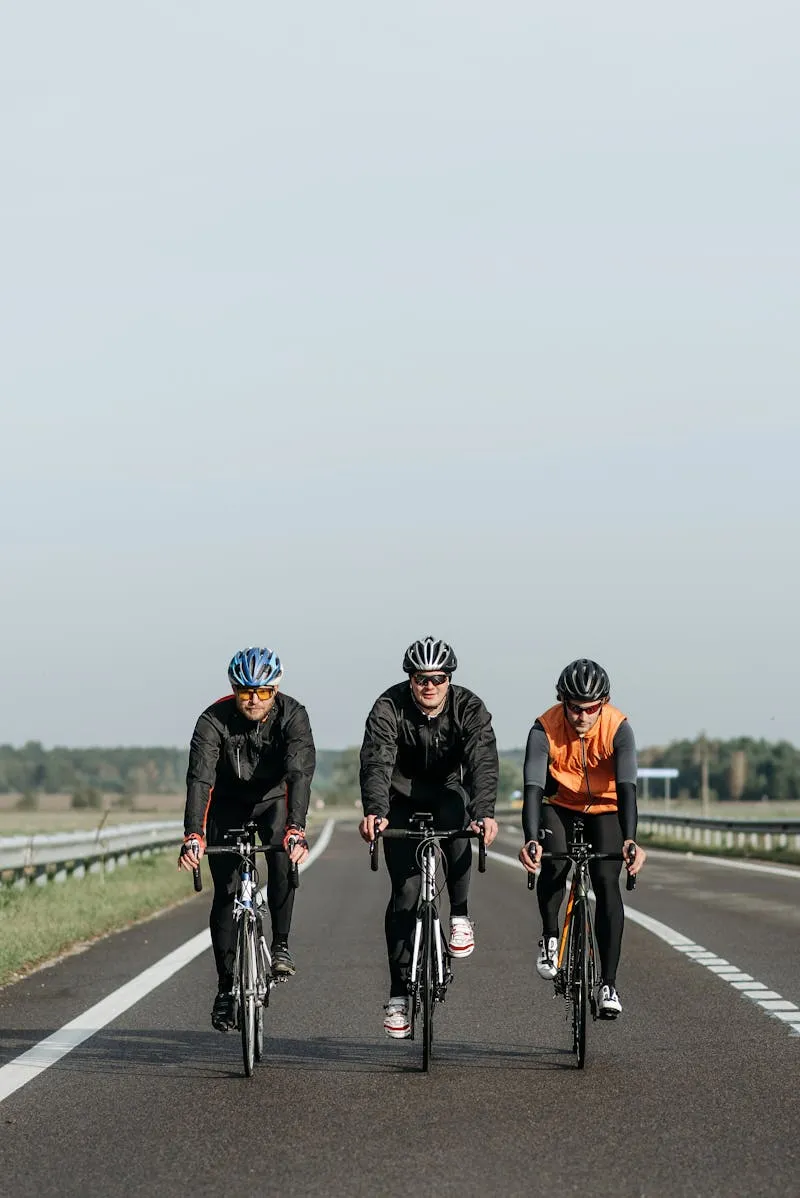
Cyclist resting on roadside
Sport & Fitness

Why cycling is worth the investment

Understanding the benefits helps you communicate value to participants while creating a balanced risk assessment.

Cardiovascular Fitness

Enhances cardiovascular fitness and endurance through sustained riding and varying terrains.

Leg Strength

Improves leg strength and muscle tone with regular pedaling and resistance.

Balance & Coordination

Develops balance and coordination essential for safe and efficient riding.

Mental Well-being

Boosts mental well-being and stress relief through outdoor activity and rhythmic movement.

Flexibility

Increases flexibility and range of motion in the lower body through extended riding sessions.

Weight Management

Supports weight management and overall physical health through consistent aerobic exercise.

Who needs a cycling risk assessment?

If you're involved in organising or leading cycling activities, you need a documented risk assessment. This applies to:

Cycling Clubs

Whether you're a road cycling club, mountain biking group, or recreational riding club, you have a duty of care to your members. Your risk assessment should cover regular group rides, training sessions, and club events.

Event Organisers

Anyone organising cycling events, sportives, charity rides, or races needs comprehensive risk assessments covering routes, marshalling, medical provisions, and participant safety.

Schools & Youth Groups

Educational institutions and youth organisations running cycling activities must conduct risk assessments with additional safeguarding considerations for young participants.

Cycling Coaches & Instructors

Professional coaches delivering training sessions need risk assessments for coaching activities, considering venue safety, equipment, and participant abilities.

Insurance requirement

Most cycling insurance providers require documented risk assessments for organised activities. Without proper documentation, your liability coverage may be compromised.

Key hazards & control measures

Effective risk assessment starts with thorough hazard identification. Here are the primary hazards associated with cycling.

Road Surface Hazards High Risk
Potential Harm

Loss of control, falls, damage to bicycle, injuries.

Control Measures
  • Stay alert and scan the road ahead for potholes and debris
  • Maintain safe following distance to allow reaction time
  • Use appropriate tire pressure and wider tires
  • Adjust speed for road conditions
Benefit

Prevents accidents and injuries by avoiding hazards.

Wet or Icy Roads High Risk
Potential Harm

Reduced traction leading to slips, falls, and collisions.

Control Measures
  • Check weather forecasts and plan routes accordingly
  • Use tires suitable for wet or icy conditions
  • Reduce speed and avoid sudden movements
  • Consider postponing rides in hazardous conditions
Benefit

Enhances safety by reducing accident risk on slippery surfaces.

Equipment Failure High Risk
Potential Harm

Equipment failure leading to accidents.

Control Measures
  • Perform regular maintenance checks on brakes, tires, and chain
  • Replace worn or damaged parts promptly
  • Keep tires inflated to recommended pressure
  • Consider professional servicing periodically
Benefit

Ensures reliable bicycle performance and reduces mechanical failure risk.

Poor Visibility High Risk
Potential Harm

Increased risk of collisions with vehicles or obstacles.

Control Measures
  • Use front and rear lights in low-light conditions
  • Wear reflective or high-visibility clothing
  • Equip bicycle with reflective tape or devices
  • Reduce speed and be extra cautious
Benefit

Enhances visibility to others, reducing collision risk.

Inadequate Protective Gear High Risk
Potential Harm

Increased severity of injuries in accidents.

Control Measures
  • Wear a helmet that fits properly and meets safety standards
  • Use additional protective gear like gloves and eyewear
  • Replace helmets after significant impacts
  • Educate on the importance of protective gear
Benefit

Reduces the severity of injuries in case of accidents.

Fatigue & Overexertion Medium Risk
Potential Harm

Decreased reaction time, poor decision-making, increased accident risk.

Control Measures
  • Plan rides that match fitness levels
  • Take regular breaks to rest and refuel
  • Listen to your body and avoid overexertion
  • Stay hydrated and consume appropriate nutrition
Benefit

Maintains alertness and physical capability, enhancing safety.

Adverse Weather Medium Risk
Potential Harm

Impaired control, dehydration, heatstroke, hypothermia.

Control Measures
  • Check weather forecasts before riding
  • Wear appropriate clothing for conditions
  • Stay hydrated and carry water
  • Postpone rides in extreme conditions
Benefit

Improves comfort and safety during rides.

Group Riding Hazards Medium Risk
Potential Harm

Collisions and falls due to sudden movements or lack of coordination.

Control Measures
  • Educate riders on group riding etiquette
  • Communicate intentions with hand signals and calls
  • Maintain consistent speed and spacing
  • Assign experienced riders as leaders
Benefit

Enhances safety and enjoyment during group rides.

Junctions & Roundabouts High Risk
Potential Harm

Increased risk of collisions with vehicles.

Control Measures
  • Approach junctions with caution
  • Obey traffic signals and signs
  • Make eye contact with drivers when possible
  • Position yourself to be visible to other road users
Benefit

Reduces the risk of collisions at intersections.

This guide covers the most common hazards. Our risk assessment wizard includes 38 hazards and 158+ control measures for Cycling, sourced from industry guidance — create your assessment in minutes.

Ride leadership & supervision

All organised cycling activities should have appropriate leadership. Essential requirements include:

  • Qualified ride leader with cycling leadership certification
  • Knowledge of the route including potential hazards and emergency points
  • First aid training and appropriate first aid kit
  • Communication equipment (mobile phone, radio for larger events)
  • Mechanical knowledge for basic repairs

Rider-to-leader ratios

Recommended maximum ratios for safe supervision:

  • Beginners/Children: 1 leader to 6 riders
  • Intermediate: 1 leader to 10 riders
  • Experienced club riders: 1 leader to 15 riders

Larger groups should have a lead rider and a sweep rider at the rear.

Helmet policy

Helmets should be mandatory for all organised cycling activities. Ensure all participants wear properly fitted helmets meeting safety standards. Riders without helmets should not be permitted to participate.

Equipment safety requirements

The condition of bicycles and equipment is crucial for rider safety. Before any ride, check:

Bicycle Checks

  • Brakes working properly (front and rear)
  • Tires properly inflated without damage
  • Chain lubricated and in good condition
  • Gears shifting smoothly
  • Quick releases secure
  • Lights and reflectors working (if applicable)

Rider Equipment

  • Helmet properly fitted and certified
  • High-visibility clothing or vest
  • Cycling gloves (recommended)
  • Eye protection
  • Appropriate footwear

Essentials to Carry

  • Spare inner tube and repair kit
  • Pump or CO2 inflator
  • Multi-tool for basic repairs
  • Water and nutrition
  • Mobile phone and ID

M-Check

Use the "M-Check" before every ride: start at the front wheel and work through the bike in an M-pattern—front wheel, headset, handlebars, frame, saddle, rear wheel, checking each component systematically.

Pre-session checklist

Bicycle Checks

  • Brakes working properly
  • Tires properly inflated
  • Chain lubricated
  • Gears shifting correctly
  • Quick releases secure
  • Lights working (if needed)
  • Reflectors in place

Rider Preparation

  • Helmet properly fitted
  • High-visibility clothing
  • Appropriate footwear
  • Water/hydration available
  • Mobile phone charged
  • ID carried
  • Route known/planned

Group Rides

  • Ride leader assigned
  • Sweep rider assigned
  • Route briefing given
  • Emergency contacts shared
  • First aid kit available

Frequently asked questions

A cycling risk assessment should include: identification of hazards specific to cycling (road conditions, traffic, weather, equipment failure), who is at risk, existing control measures, risk ratings before and after controls, emergency procedures, and review dates.

The most common cycling injuries include: head injuries (reduced significantly by helmet use), collar bone fractures, wrist and hand injuries, road rash and abrasions, knee injuries, and lower back pain. Proper equipment, technique, and defensive riding reduce these risks.

While helmet laws vary by region, all organised cycling activities should mandate properly fitted helmets meeting safety standards. Helmets significantly reduce the risk and severity of head injuries in accidents.

No—you can begin filling out your risk assessment straight away without creating an account. Create a free account only if you want to save your work for later editing.

Ready to create your cycling risk assessment?

Use our online wizard to build a professional, comprehensive risk assessment in minutes. Pre-loaded with cycling-specific hazards and control measures.

Start Your Free Risk Assessment

Instant access • No credit card required • Download PDF immediately

Related risk assessments

Explore other sports templates