Risk Assessment Wizard

Create clear, professional risk assessments in minutes. List hazards, set measures and assign responsibilities, then download a clean PDF branded with your organisation.

Get Started

  • Create a Risk Assessment
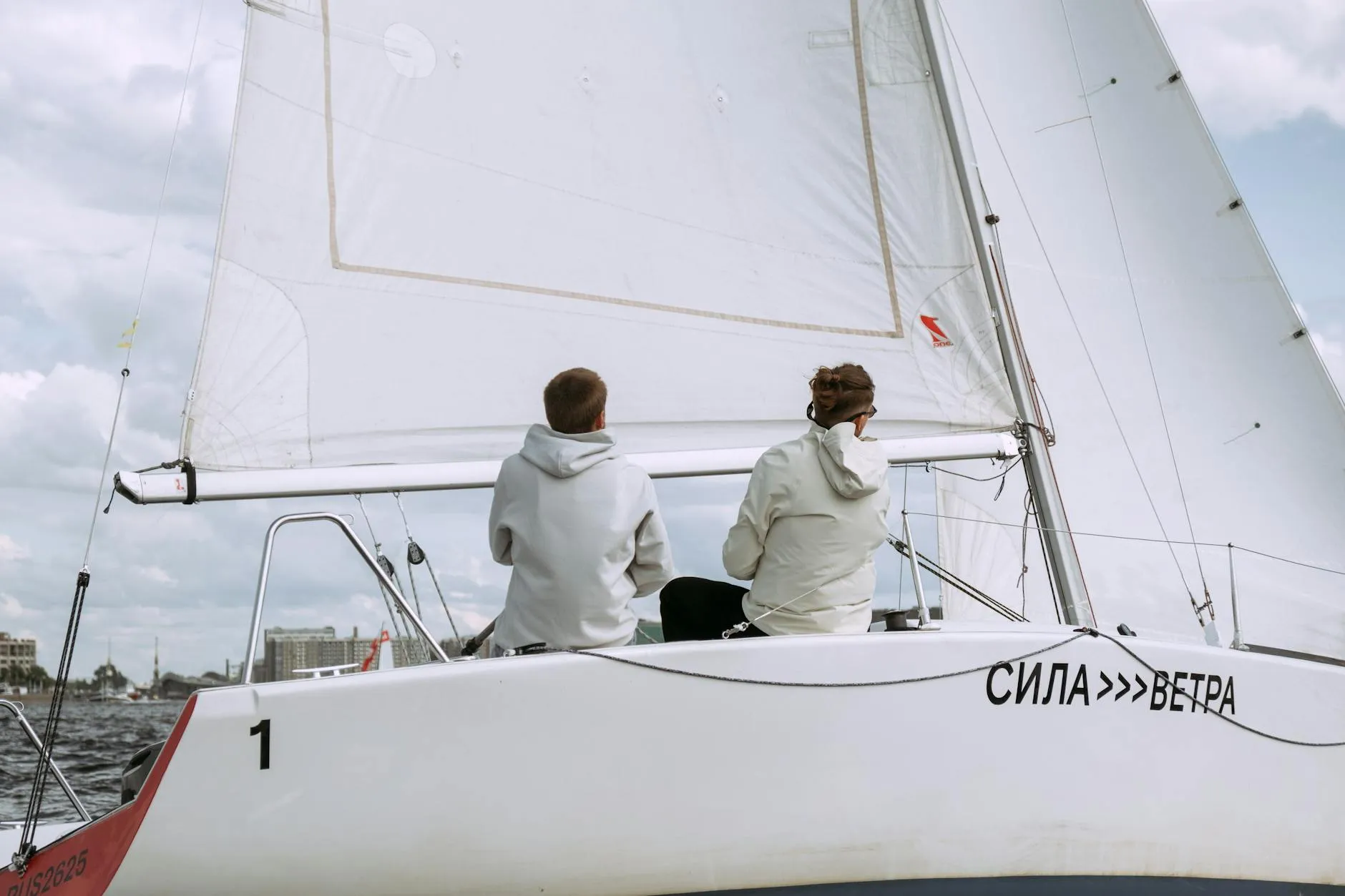
Yacht sailing on open water
Sports & Recreation

Yacht Sailing Risk Assessment Template

The complete guide to creating professional risk assessments for yacht clubs, charter companies, and sailing schools.

Free to use Instant PDF download Updated February 2026

The essential guide to yacht sailing safety

Yacht sailing combines adventure, skill, and the unique challenges of the marine environment. Whether cruising coastally, racing competitively, or undertaking offshore passages, proper risk management is essential for crew safety.

A comprehensive risk assessment is vital for any organisation operating yachts—from sailing clubs and charter companies to corporate sailing events and training providers. It ensures crew safety, prevents incidents, and demonstrates compliance with maritime regulations.

This guide covers everything you need to create a thorough yacht sailing risk assessment—from man overboard procedures and fire safety to navigation hazards, weather assessment, and emergency protocols.

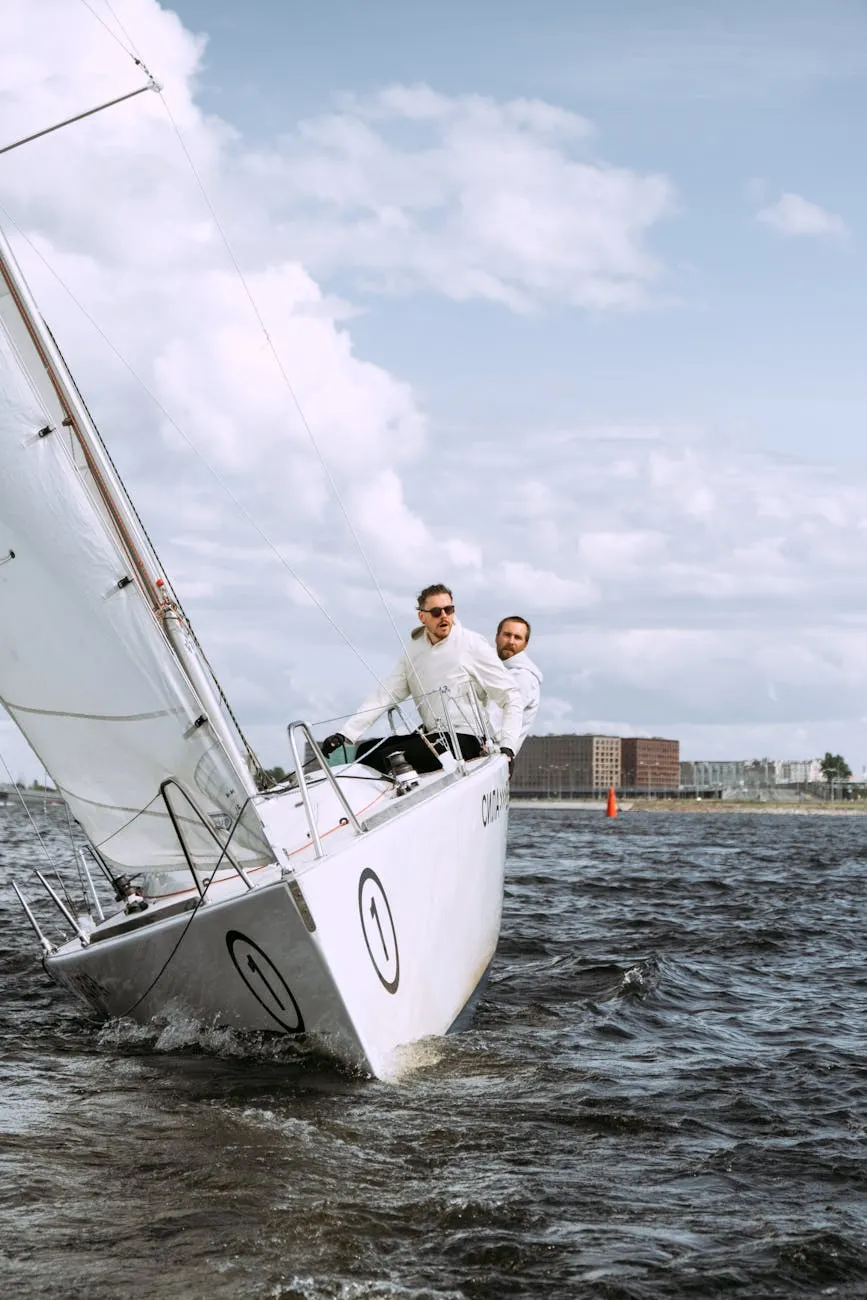
Crew sailing yacht on open water
Sport & Fitness

Why yacht sailing is worth the investment

Understanding the benefits helps communicate value while creating a balanced risk assessment.

Teamwork & Leadership

Develops essential team coordination and leadership skills through crew collaboration.

Navigation Skills

Builds practical navigation, weather interpretation, and seamanship expertise.

Problem Solving

Enhances decision-making and problem-solving under varying conditions.

Physical Fitness

Full-body workout from sail handling, winching, and deck work.

Nature Connection

Unique access to marine environments and wildlife experiences.

Achievement

Sense of accomplishment from completing passages and mastering skills.

Who needs a yacht sailing risk assessment?

If you're organising any form of yacht sailing activity, you need a documented risk assessment:

Yacht Clubs

Clubs running cruises, races, and training programmes need comprehensive risk assessments for all activities and passages.

Charter Companies

Commercial charter operators require detailed assessments covering vessel operations, client briefings, and emergency procedures.

Sailing Schools

Training providers need assessments covering instruction, student competency progression, and supervised sailing.

Corporate & Event Organisers

Organisations running team-building sails or corporate events need risk assessments covering participant safety and vessel management.

Passage-specific assessments

Yacht sailing takes place in varying conditions—from sheltered coastal waters to offshore passages. Each passage should be assessed considering weather, crew experience, vessel capability, and route hazards. A generic assessment is insufficient for all conditions.

Key hazards & control measures

Yacht sailing presents unique maritime hazards requiring careful management.

Man Overboard High Risk
Potential Harm

Crew member falling overboard leading to drowning or hypothermia.

Control Measures
  • Frequent man overboard drills
  • Life-saving gear including throw ropes and life rings
  • MOB devices and AIS beacons
  • All crew briefed on retrieval procedures
Capsizing High Risk
Potential Harm

Loss of vessel control, crew injury, drowning.

Control Measures
  • Monitor weather forecasts carefully
  • Avoid sailing in extreme conditions
  • Life jackets worn at all times
  • Crew briefed on emergency procedures
Fire Onboard High Risk
Potential Harm

Fire, smoke inhalation, vessel loss.

Control Measures
  • Fire extinguishers and smoke detectors fitted
  • Fire safety protocols established
  • Gas cylinders and fuel stored properly
  • Regular leak checks conducted
Boom Injury High Risk
Potential Harm

Head injuries, lacerations from uncontrolled boom movement.

Control Measures
  • Brief all crew on boom dangers
  • Clear warnings before gybing
  • Preventer lines fitted to minimise uncontrolled movement
  • Helmsman maintains control during manoeuvres
Collision Medium Risk
Potential Harm

Vessel damage, crew injury from collision with other vessels.

Control Measures
  • Follow COLREGS at all times
  • Crew trained in proper lookout techniques
  • AIS, radar, and navigation tools fitted
  • Maintain proper watch at all times

This guide covers the most common hazards. Our risk assessment wizard includes 45 hazards and 90+ control measures for Yacht Sailing, sourced from industry guidance — create your assessment in minutes.

Safety equipment requirements

Proper safety equipment is essential for yacht sailing operations.

Personal Safety Equipment

  • Life Jacket: Properly fitted, minimum 150N for offshore, with light and whistle
  • Safety Harness: Integral or separate harness with tether
  • Personal Locator Beacon: PLB or AIS MOB device recommended
  • Appropriate Clothing: Foul weather gear, non-slip footwear

Vessel Safety Equipment

  • Liferaft: Appropriate capacity, serviced annually
  • Lifebuoy: With light and drogue
  • Fire Extinguishers: Appropriate types for galley and engine
  • Flares: In-date pyrotechnics appropriate to sailing area
  • EPIRB: Emergency Position Indicating Radio Beacon
  • VHF Radio: Fixed and handheld with DSC
  • First Aid Kit: Comprehensive marine first aid kit

Equipment servicing

Safety equipment must be regularly serviced and in-date. Liferafts require annual service, flares have expiry dates, and fire extinguishers need regular inspection. Maintain a log of all safety equipment servicing.

Passage planning

Thorough passage planning is essential for safe yacht sailing.

Planning Elements

  • Weather forecasts from multiple sources
  • Tidal information for departure, passage, and arrival
  • Chart work with waypoints and course to steer
  • Identification of hazards and safe havens
  • Estimated times for key waypoints
  • Crew briefing and watch system

Weather Assessment

  • Check forecasts 48 hours before departure
  • Monitor conditions throughout passage
  • Establish go/no-go criteria based on crew experience
  • Plan alternative routes and bolt holes

Shore contact

Always file a passage plan with a shore contact including route, ETAs, and crew details. Establish regular check-in times and agree an overdue action plan. This is essential for triggering rescue if something goes wrong.

Pre-sail checklist

Use this checklist before every sailing passage.

Weather & Planning

  • Weather forecast checked
  • Tides calculated
  • Passage plan completed
  • Hazards identified
  • Shore contact notified
  • Crew briefed on plan

Vessel Checks

  • Engine checked and tested
  • Fuel and water levels adequate
  • Bilge pumps working
  • Navigation lights working
  • Rigging inspected
  • Seacocks checked

Safety Equipment

  • Life jackets for all crew
  • Lifebuoy accessible
  • Fire extinguishers in place
  • Flares in date and accessible
  • VHF working and charged
  • First aid kit complete

Frequently asked questions

A yacht sailing risk assessment should cover: drowning prevention, man overboard procedures, capsizing risks, collision avoidance, fire safety, navigation hazards, weather monitoring, boom and rigging hazards, crew competency requirements, and emergency procedures including abandon ship protocols.

Yacht skippers should hold nationally recognised sailing qualifications appropriate to the sailing area—Day Skipper for coastal sailing, Coastal Skipper for more challenging waters, or Yachtmaster for offshore passages. They also need a VHF radio licence, first aid certification, and have logged sufficient sea miles. Commercial operations require additional certification.

Essential safety equipment includes: life jackets for all crew, lifebuoy with light, fire extinguishers, in-date flares, EPIRB or PLB, VHF radio with DSC, comprehensive first aid kit, navigation lights, liferaft for offshore sailing, and man overboard recovery equipment. Requirements vary by sailing area and whether the operation is commercial.

Man overboard drills should be practised regularly using a fender as the "casualty". The drill should include: immediate shout of "Man overboard", deployment of lifebuoy, crew member assigned to point at casualty continuously, helm manoeuvre to return to casualty, and practice of recovery techniques. All crew should be able to helm during a MOB situation.

Create your yacht sailing risk assessment now

Use our free template builder to create a comprehensive, professional risk assessment for your yacht sailing activities in minutes.