Risk Assessment Wizard

Create clear, professional risk assessments in minutes. List hazards, set measures and assign responsibilities, then download a clean PDF branded with your organisation.

Get Started

  • Create a Risk Assessment
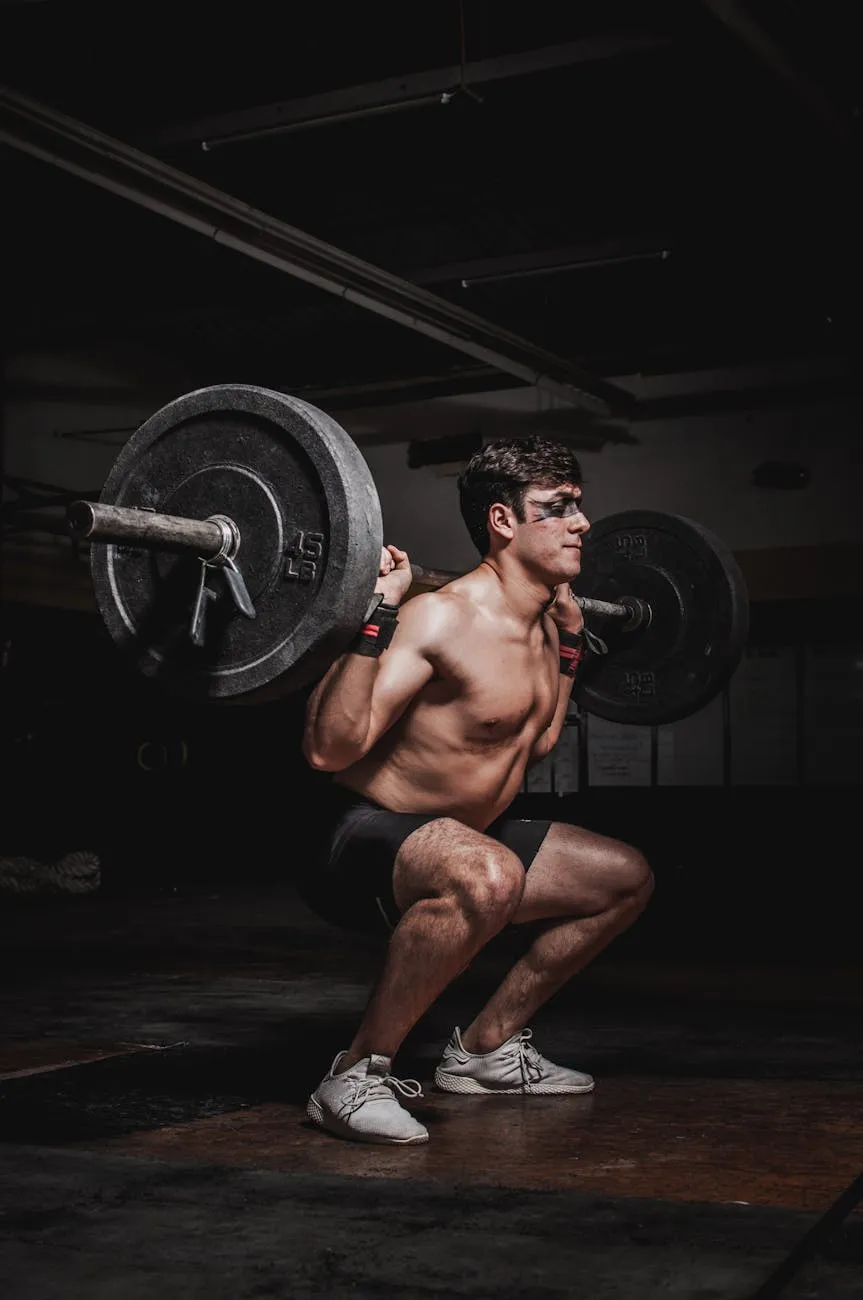
Weightlifter performing barbell squat
Sports & Recreation

Weightlifting Risk Assessment Template

The complete guide to creating professional risk assessments for weightlifting gyms, clubs, and training facilities. Protect your athletes and meet safety standards.

Free to use Instant PDF download Updated February 2026

The essential guide to weightlifting safety

Weightlifting—whether Olympic lifting, powerlifting, or general strength training—is one of the most effective ways to build strength, power, and athletic performance. However, the heavy loads and technical movements require careful attention to safety.

A comprehensive risk assessment is essential for any gym, weightlifting club, or coaching program. It demonstrates your commitment to athlete safety, helps prevent injuries, and ensures compliance with health and safety legislation.

This guide covers everything you need to create a thorough weightlifting risk assessment—from technique hazards to equipment safety and facility requirements.

Athlete preparing for weightlifting
Sport & Fitness

Why weightlifting is worth the investment

Understanding the benefits helps communicate value while creating a balanced risk assessment.

Muscular Strength

Enhances muscular strength and hypertrophy through resistance training.

Bone Health

Improves bone density and joint health with regular weight-bearing exercises.

Mental Discipline

Develops discipline and mental focus required for structured training and progression.

Metabolic Rate

Boosts metabolic rate and supports weight management through muscle-building.

Functional Strength

Increases overall physical fitness and functional strength for daily activities.

Posture & Balance

Supports posture and balance through strengthened core and muscle groups.

Who needs a weightlifting risk assessment?

If you're providing weightlifting facilities or coaching, you need a documented risk assessment:

Gyms & Fitness Centres

Any facility with free weights requires risk assessments covering equipment, flooring, and user supervision.

Weightlifting Clubs

Olympic weightlifting and powerlifting clubs need specific assessments for competitive and training environments.

Coaches & Personal Trainers

Anyone providing weightlifting instruction should have documented risk assessments for their sessions.

Schools & Universities

Educational institutions with strength training facilities require comprehensive risk assessments with additional safeguarding.

Heavy load considerations

Weightlifting involves heavy loads that can cause serious injury if dropped or handled incorrectly. Proper flooring, equipment maintenance, and supervision are essential safety requirements.

Key hazards & control measures

Effective risk assessment starts with thorough hazard identification.

Overhead Lifts High Risk
Potential Harm

Shoulder strains, rotator cuff injuries, upper back pain.

Control Measures
  • Train correct overhead technique
  • Ensure appropriate warm-up
  • Use spotters for heavy lifts
  • Incorporate shoulder strengthening
Dropped Weights High Risk
Potential Harm

Bruises, fractures, head injuries, foot injuries.

Control Measures
  • Use bumper plates and proper flooring
  • Train safe dropping techniques
  • Ensure weights are properly secured
  • Clear area around lifting platforms
Squats Medium Risk
Potential Harm

Knee injuries, back pain, muscle strains.

Control Measures
  • Teach proper squat technique
  • Use squat racks with safety bars
  • Encourage gradual progression
  • Provide spotters for heavy sets
Barbell Slippage Medium Risk
Potential Harm

Hand injuries, loss of control, accidents.

Control Measures
  • Provide chalk for grip
  • Ensure knurling is adequate
  • Train proper grip techniques
  • Regular barbell inspection
Overexertion Medium Risk
Potential Harm

Fatigue, muscle strains, decreased performance.

Control Measures
  • Monitor for overexertion signs
  • Schedule regular rest periods
  • Encourage proper hydration/nutrition
  • Implement periodization
Breathing Issues Medium Risk
Potential Harm

Increased blood pressure, dizziness, fainting from breath-holding.

Control Measures
  • Educate on proper breathing
  • Encourage exhaling during exertion
  • Monitor for signs of distress
  • Screen for cardiovascular conditions
Repetitive Strain Medium Risk
Potential Harm

Tendinitis, stress fractures, chronic muscle pain.

Control Measures
  • Incorporate varied training routines
  • Schedule adequate recovery
  • Monitor for overuse signs
  • Include mobility work

This guide covers the most common hazards. Our risk assessment wizard includes 34 hazards and 136+ control measures for Weightlifting, sourced from industry guidance — create your assessment in minutes.

Equipment safety requirements

Proper equipment is essential for weightlifting safety:

Barbells & Weights

  • Barbells in good condition without bending
  • Adequate knurling for grip
  • Collars to secure weight plates
  • Bumper plates for Olympic lifts
  • Weight plates clearly marked

Racks & Platforms

  • Squat racks with safety catches
  • Bench press with spotter arms
  • Olympic platforms with appropriate flooring
  • Regular structural inspections

Personal Equipment

  • Weightlifting shoes (optional but recommended)
  • Lifting belt for heavy lifts
  • Wrist wraps if needed
  • Chalk for grip

Pre-session checklist

Equipment

  • Barbells inspected
  • Collars available
  • Racks functioning
  • Safety catches set
  • Platforms clear

Facility

  • Floors dry and clear
  • Adequate spacing
  • First aid accessible

Session

  • Qualified coach present
  • Warm-up completed
  • Spotters available

Frequently asked questions

A weightlifting risk assessment should cover: lifting technique hazards (squats, deadlifts, overhead lifts), equipment safety, facility conditions (flooring, spacing), supervision requirements, warm-up protocols, and emergency procedures.

Common injuries include lower back strains (often from deadlifts or squats with poor form), shoulder injuries (from overhead pressing), wrist sprains, and knee problems. Most injuries result from improper technique, excessive loads, or inadequate warm-up.

Spotters are recommended for bench press, squats without safety catches, and when lifting near maximum loads. For Olympic lifts, proper technique for safely bailing out of failed lifts is more important than spotters.

Ready to create your weightlifting risk assessment?

Use our free tool to generate a professional, comprehensive risk assessment for weightlifting activities.