Risk Assessment Wizard

Create clear, professional risk assessments in minutes. List hazards, set measures and assign responsibilities, then download a clean PDF branded with your organisation.

Get Started

  • Create a Risk Assessment
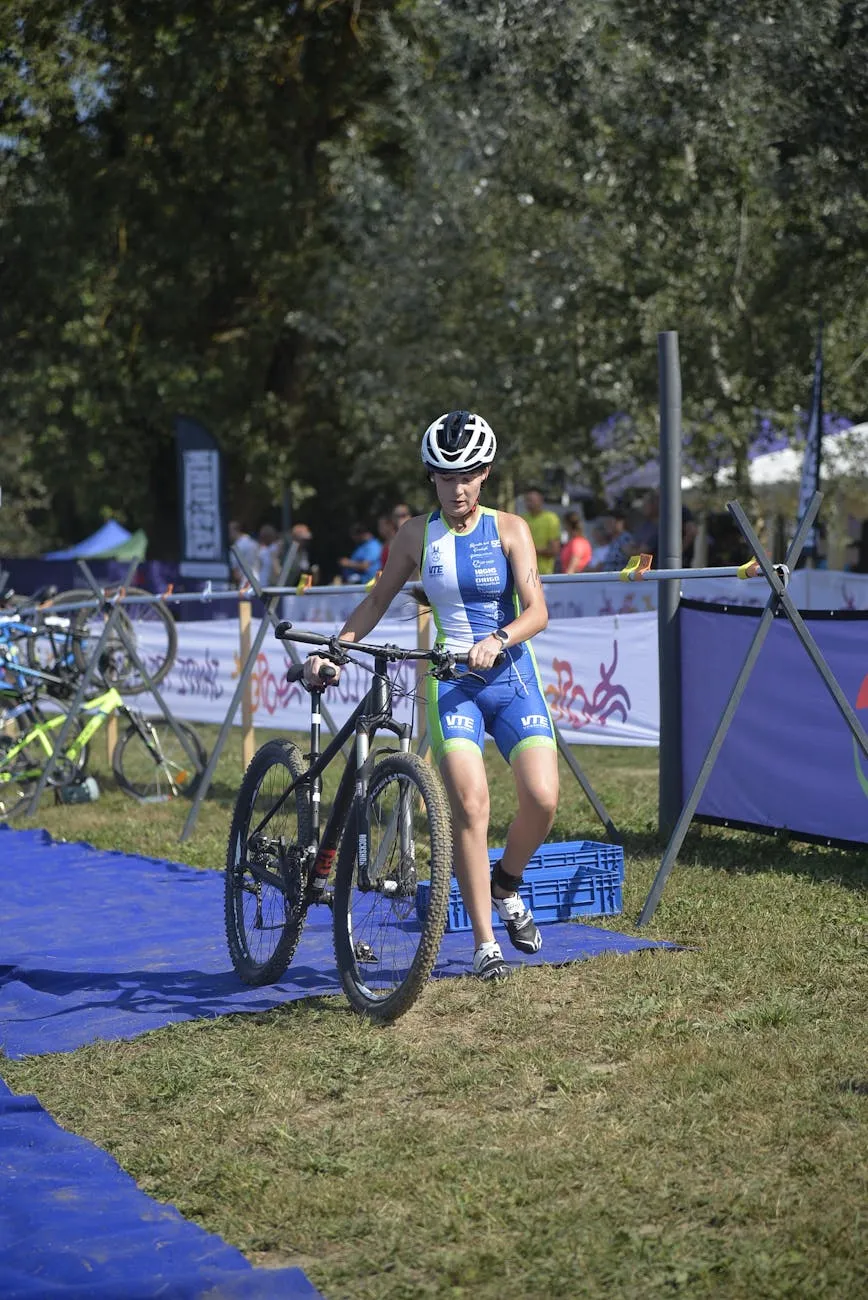
Triathlete in transition zone
Sports & Recreation

Triathlon Risk Assessment Template

The complete guide to creating professional risk assessments for triathlon events, clubs, and training programs. Cover swim, bike, run, and transitions safely.

Free to use Instant PDF download Updated February 2026

The essential guide to triathlon safety

Triathlon combines three demanding disciplines—swimming, cycling, and running—into one ultimate test of endurance. This multi-sport format creates unique safety challenges that require comprehensive risk management.

A thorough risk assessment is essential for any triathlon event, club, or training program. It demonstrates your commitment to participant safety, helps prevent accidents across all disciplines, and ensures compliance with health and safety legislation.

This guide covers everything you need to create a complete triathlon risk assessment—from open water swimming hazards to cycling routes, run courses, and the critical transition zones.

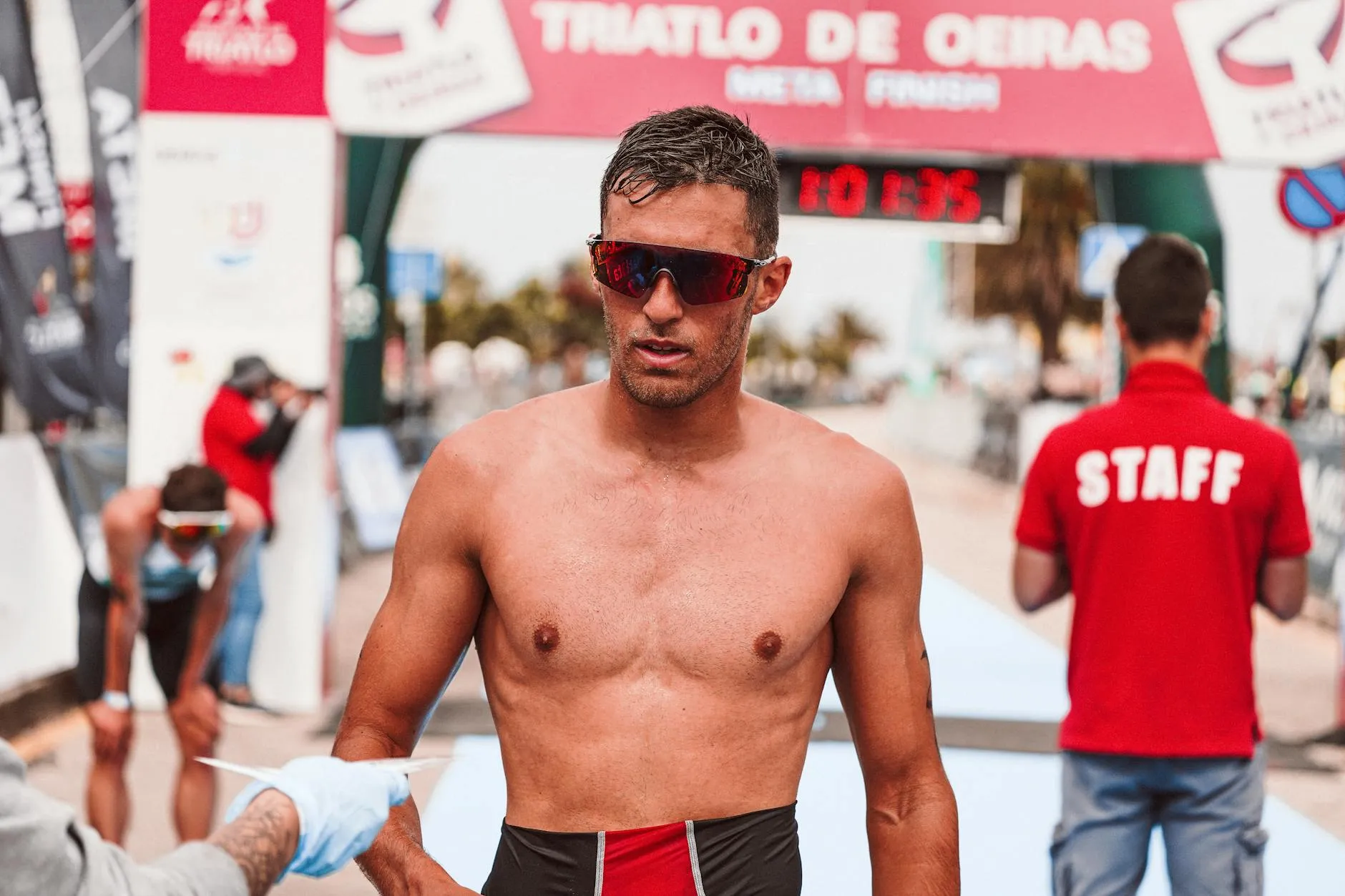
Triathlete finishing race
Sport & Fitness

Why triathlon is worth the investment

Understanding the benefits helps communicate value while creating a balanced risk assessment.

Cardiovascular Fitness

Enhances overall cardiovascular fitness and endurance through swimming, cycling, and running.

Muscular Strength

Improves muscular strength and endurance across multiple disciplines.

Time Management

Develops time management and strategic planning skills essential for race preparation.

Mental Resilience

Boosts mental resilience and focus required for multi-sport competitions.

Flexibility

Increases flexibility and range of motion through varied training activities.

Weight Management

Supports weight management and comprehensive physical fitness through diverse engagement.

Who needs a triathlon risk assessment?

If you're organising or delivering triathlon activities, you need a documented risk assessment:

Event Organisers

Race directors and event companies must have comprehensive risk assessments covering all three disciplines, transitions, and spectator areas.

Triathlon Clubs

Clubs running training sessions need risk assessments for each training venue and activity type.

Coaches & Training Providers

Professional coaches offering triathlon coaching services require documented risk assessments.

Schools & Youth Programs

Educational institutions running youth triathlon programs need additional safeguarding considerations.

Multi-discipline complexity

Triathlon events require separate risk assessments for swimming, cycling, running, and transition areas. Each discipline has unique hazards requiring specific control measures. Event permits often require documented assessments.

Key hazards & control measures

Triathlon hazards span three disciplines plus transitions. Here are the primary risks.

Swimmer Collisions Medium Risk
Potential Harm

Injuries from impacts with other swimmers in mass starts.

Control Measures
  • Implement swim lanes or wave starts
  • Educate swimmers on lane etiquette
  • Monitor crowded areas closely
  • Consider time-trial starts
Vehicle Collisions (Bike) High Risk
Potential Harm

Serious injuries from impacts with vehicles on open roads.

Control Measures
  • Use closed roads or designated lanes
  • Position marshals at junctions
  • Require reflective gear and lights
  • Coordinate with local authorities
Cycling Falls High Risk
Potential Harm

Injuries from falls at high speed, mechanical failures.

Control Measures
  • Mandatory helmet requirement
  • Pre-race bike inspections
  • Mark road hazards on course
  • Provide mechanical support
Fatigue & Collapse (Run) Medium Risk
Potential Harm

Exhaustion, collapse, cardiac events from cumulative effort.

Control Measures
  • Position medical support along course
  • Provide aid stations with water/electrolytes
  • Monitor runners for distress signs
  • Implement cut-off times
Transition Zone Incidents Medium Risk
Potential Harm

Trips, falls, collisions in crowded transition areas.

Control Measures
  • Design clear flow paths
  • Use barriers and markings
  • Enforce no-riding zones
  • Staff transition area adequately
Heat & Dehydration Medium Risk
Potential Harm

Heat exhaustion, heatstroke, cramps, impaired performance.

Control Measures
  • Provide regular hydration stations
  • Schedule early morning starts
  • Educate on heat management
  • Have cooling facilities at finish
Mechanical Failure Medium Risk
Potential Harm

Accidents from brake failure, broken components.

Control Measures
  • Conduct pre-race bike checks
  • Provide mechanical support on course
  • Educate on basic repairs
  • Reject unsafe equipment

This guide covers the most common hazards. Our risk assessment wizard includes 39 hazards and 51+ control measures for Triathlon, sourced from industry guidance — create your assessment in minutes.

Equipment safety requirements

Each discipline has specific equipment requirements:

Swimming

  • Wetsuits appropriate for water temperature
  • Swim caps (often colour-coded by wave)
  • Timing chips secured properly
  • Optional: pull buoys for training only

Cycling

  • Helmet certified and correctly fitted (mandatory)
  • Bike in roadworthy condition
  • Working brakes front and rear
  • Bar ends plugged
  • Reflective elements for low light

Running

  • Appropriate running shoes
  • Race number visible
  • Sun protection for hot conditions

Pre-session checklist

Swim

  • Water safety team briefed
  • Swim course marked
  • Water temperature checked

Bike

  • Course marked and swept
  • Marshals positioned
  • Road closures confirmed

Run & Medical

  • Aid stations stocked
  • Medical team positioned
  • Finish line medical ready

Frequently asked questions

A triathlon risk assessment should cover all three disciplines (swim, bike, run), transition areas, route-specific hazards, weather conditions, medical emergencies, participant management, and spectator safety.

Statistics show the swim leg carries the highest fatality risk, often due to cardiac events or panic. Cycling has the highest injury rate due to crashes. Proper medical support, water safety personnel, and participant screening are essential.

This depends on course length and complexity. General guidance: water safety ratio of 1:20 swimmers, cycle marshals at every junction, and run course coverage. Consult your national federation for specific requirements.

Ready to create your triathlon risk assessment?

Use our free tool to generate a professional, comprehensive risk assessment for triathlon events.