Risk Assessment Wizard

Create clear, professional risk assessments in minutes. List hazards, set measures and assign responsibilities, then download a clean PDF branded with your organisation.

Get Started

  • Create a Risk Assessment
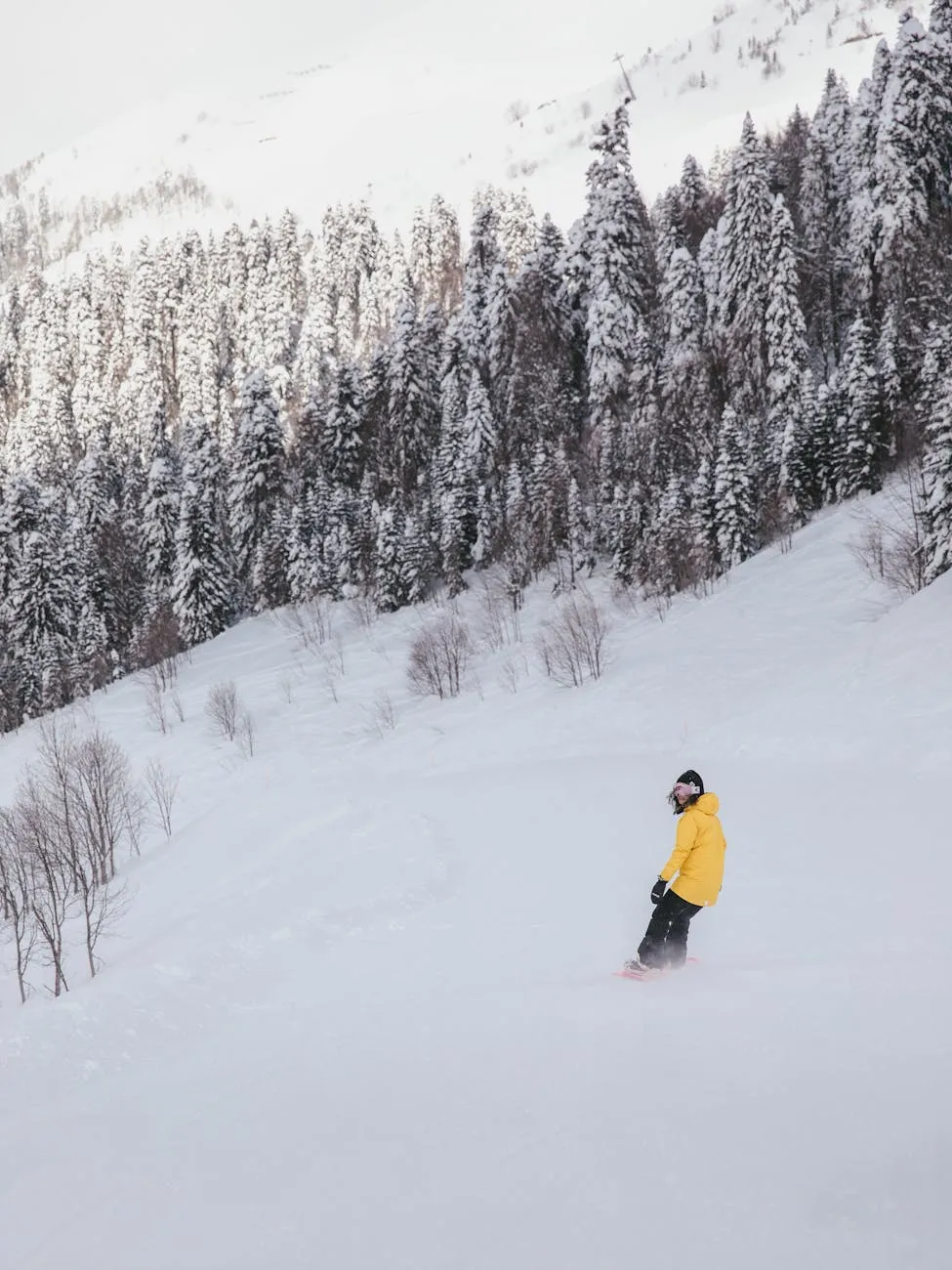
Snowboarder performing jump on mountain
Sports & Recreation

Snowboarding Risk Assessment Template

The complete guide to creating professional risk assessments for snowboard schools, clubs, and trip organisers. Protect your riders and meet safety standards.

Free to use Instant PDF download Updated February 2026

The essential guide to snowboarding safety

Snowboarding is one of the world's most exciting winter sports, attracting millions of participants to mountain resorts each year. The unique alpine environment and dynamic nature of the sport present significant safety considerations that require careful risk management.

A comprehensive risk assessment is essential for any snowboard school, tour operator, school trip organiser, or club running snowboarding activities. It demonstrates your commitment to participant safety, helps prevent accidents, and ensures compliance with health and safety legislation.

This guide covers everything you need to create a thorough snowboarding risk assessment—from identifying mountain-specific hazards to implementing practical control measures that keep your riders safe on the slopes.

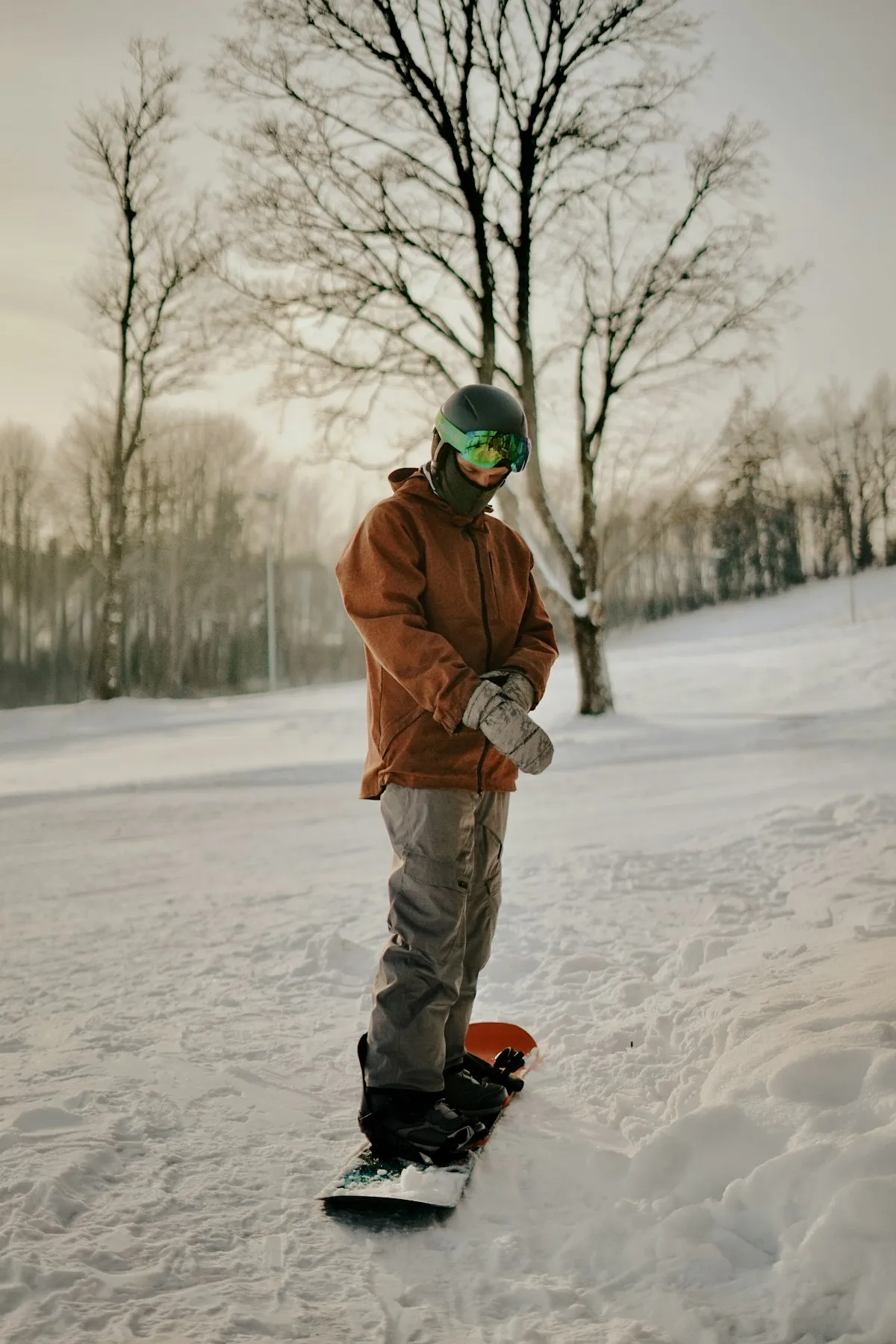
Snowboarder in winter gear on snowy slope
Sport & Fitness

Why snowboarding is worth the investment

Understanding the benefits helps you communicate value to participants while creating a balanced risk assessment.

Balance & Coordination

Enhances balance and coordination through dynamic riding and maneuvering on snow.

Lower Body Strength

Improves lower body strength and muscle tone with repetitive snowboarding motions.

Flexibility & Agility

Develops flexibility and agility through jumps, turns, and tricks.

Mental Focus

Boosts mental focus and concentration required for maintaining control and executing maneuvers.

Cardiovascular Fitness

Increases cardiovascular fitness and stamina through sustained snowboarding activity.

Physical Fitness

Supports overall physical fitness and muscle toning through active engagement and exercise.

Who needs a snowboarding risk assessment?

If you're involved in organising or delivering snowboarding activities, you need a documented risk assessment. This applies to:

Snowboard Schools & Instructors

Professional snowboard schools and independent instructors have a duty of care to their students. Risk assessments should cover all lesson types, from beginners to freestyle.

Schools & Educational Trips

Schools organising snowboard trips must conduct comprehensive risk assessments with additional safeguarding considerations for young participants.

Tour Operators & Travel Companies

Operators offering snowboarding holidays or packages need risk assessments covering all aspects of the trip including travel, accommodation, and on-slope activities.

Clubs & Groups

Snowboarding clubs organising group trips or training sessions should have documented risk assessments for all activities.

Insurance requirement

Snowboarding carries significant injury risks. Most insurance providers require documented risk assessments as a condition of coverage. Without proper documentation, your liability coverage may be compromised.

Key hazards & control measures

Effective risk assessment starts with thorough hazard identification. Here are the primary hazards associated with snowboarding.

Excessive Speed High Risk
Potential Harm

Loss of control leading to falls, collisions, serious injuries.

Control Measures
  • Educate on controlling speed through edging and turning
  • Reinforce adjusting speed for terrain and conditions
  • Implement exercises focusing on speed management
  • Encourage use of designated slow zones
Benefit

Enhances safety by ensuring riders can stop or avoid obstacles effectively.

Jumps & Tricks High Risk
Potential Harm

Injuries from falls, improper landings, collisions.

Control Measures
  • Provide instruction on proper techniques and landing
  • Begin with small features and progress gradually
  • Inspect terrain park features before use
  • Only attempt maneuvers within skill level
Benefit

Improves skill safely and builds confidence while minimizing injury risk.

Tree Wells High Risk
Potential Harm

Risk of suffocation if trapped in deep snow near tree bases.

Control Measures
  • Educate participants on tree well dangers
  • Avoid riding close to trees in deep powder
  • Ride with a partner and keep visual contact
  • Teach self-rescue techniques
Benefit

Enhances awareness of natural hazards and promotes safe riding practices.

Avalanches High Risk
Potential Harm

Potentially fatal injuries from being buried under snow.

Control Measures
  • Provide avalanche awareness training
  • Check avalanche forecasts daily
  • Carry safety equipment (transceiver, probe, shovel)
  • Only venture off-piste with qualified guides
Benefit

Promotes safety in off-piste and backcountry environments.

Ice Patches Medium Risk
Potential Harm

Loss of control leading to falls and collisions.

Control Measures
  • Instruct on techniques for riding on icy conditions
  • Teach how to identify icy areas
  • Reduce speed and avoid sudden movements
  • Maintain regular edge sharpening
Benefit

Improves control and reduces risk of accidents on icy terrain.

Poor Weather High Risk
Potential Harm

Hypothermia, disorientation, increased accident risk.

Control Measures
  • Check weather forecasts before heading out
  • Teach importance of appropriate clothing layers
  • Stay on marked trails in poor visibility
  • Provide guidance on seeking shelter
Benefit

Enhances preparedness and reduces risk in adverse weather.

Lack of Protective Gear Medium Risk
Potential Harm

Increased severity of injuries during falls or collisions.

Control Measures
  • Require use of helmets
  • Recommend wrist guards and other protection
  • Educate on benefits of protective gear
  • Provide guidance on selecting properly fitting gear
Benefit

Enhances safety and reduces injury severity.

Steep Terrain High Risk
Potential Harm

Falls, loss of control, increased injury risk.

Control Measures
  • Assess skill levels before attempting advanced terrain
  • Gradually introduce challenging slopes
  • Teach techniques specific to steep terrain
  • Scout unfamiliar runs before descending
Benefit

Builds confidence and skills safely.

Equipment Failure Medium Risk
Potential Harm

Sudden equipment failure leading to loss of control.

Control Measures
  • Teach participants to inspect bindings
  • Instruct on correct binding adjustments
  • Encourage regular equipment checks
  • Identify signs of wear requiring professional servicing
Benefit

Ensures equipment reliability and rider safety.

This guide covers the most common hazards. Our risk assessment wizard includes 41 hazards and 159+ control measures for Snowboarding, sourced from industry guidance — create your assessment in minutes.

Qualified instruction

All snowboarding instruction should be delivered by appropriately qualified instructors. Essential requirements include:

  • Recognised snowboard instructor qualification from an accredited body
  • Background/safeguarding check for anyone working with children
  • Current first aid certification
  • Public liability insurance
  • Knowledge of local terrain and conditions

Student-to-instructor ratios

Recommended maximum ratios for safe supervision:

  • Beginners/Children: 1 instructor to 6 students
  • Intermediate: 1 instructor to 8 students
  • Advanced/Freestyle: 1 instructor to 8 students

Off-piste instruction requires lower ratios and additional qualifications.

Helmet & wrist guard policy

Helmets should be mandatory for all students. Wrist injuries are the most common snowboarding injury—wrist guards are strongly recommended, especially for beginners.

Equipment safety requirements

Properly fitted and maintained equipment is crucial. Before any session, check:

Snowboard & Bindings

  • Board appropriate for size and riding style
  • Bindings properly adjusted for boots
  • Binding straps and ratchets functional
  • Edges in good condition
  • No damage to base or topsheet

Boots

  • Correct size with good fit
  • Lacing system functional
  • Comfortable without pressure points
  • Compatible with bindings

Protective Equipment

  • Helmet certified and properly fitted
  • Wrist guards recommended
  • Goggles or sunglasses for eye protection
  • Appropriate layered clothing
  • Gloves or mittens

Practical tip

Have equipment checked by qualified technicians at the start of each season. Binding settings should match boot size and rider weight. Document all equipment checks and servicing.

Pre-session checklist

Conditions

  • Weather forecast checked
  • Avalanche risk assessed
  • Slope conditions known
  • Lift status confirmed
  • Visibility adequate
  • Temperature suitable
  • Route planned

Equipment

  • Board appropriate for ability
  • Bindings checked
  • Boots properly fitted
  • Helmet worn
  • Wrist guards available
  • Goggles/sunglasses ready
  • Layered clothing worn

Group Management

  • Qualified instructor present
  • Appropriate ratios maintained
  • Skill levels assessed
  • Meeting points agreed
  • Communication plan in place

Frequently asked questions

A snowboarding risk assessment should include: identification of hazards specific to snowboarding (collisions, avalanches, jumps, equipment failure, weather), who is at risk, existing control measures, risk ratings, emergency procedures, and review dates.

The most common snowboarding injuries are wrist fractures (from falls on outstretched hands), followed by shoulder injuries, ankle sprains, and head injuries. Wrist guards, helmets, and proper training significantly reduce these risks.

Yes, wrist guards are highly recommended for beginners. Wrist injuries are common in snowboarding, and the natural instinct to break falls with hands makes beginners particularly vulnerable.

Snowboarders have higher rates of wrist and shoulder injuries due to falling patterns, while skiers have more knee injuries. Snowboarders may also face unique hazards in terrain parks. Both sports share risks related to collisions, weather, and avalanches.

Beginners should start on gentle, wide slopes with good visibility and minimal traffic. Most resorts have designated beginner areas with appropriate gradient. Avoid icy slopes, narrow trails, and terrain parks until skills develop.

Ready to create your snowboarding risk assessment?

Use our free tool to generate a professional, comprehensive risk assessment tailored for snowboarding activities.