Risk Assessment Wizard

Create clear, professional risk assessments in minutes. List hazards, set measures and assign responsibilities, then download a clean PDF branded with your organisation.

Get Started

  • Create a Risk Assessment
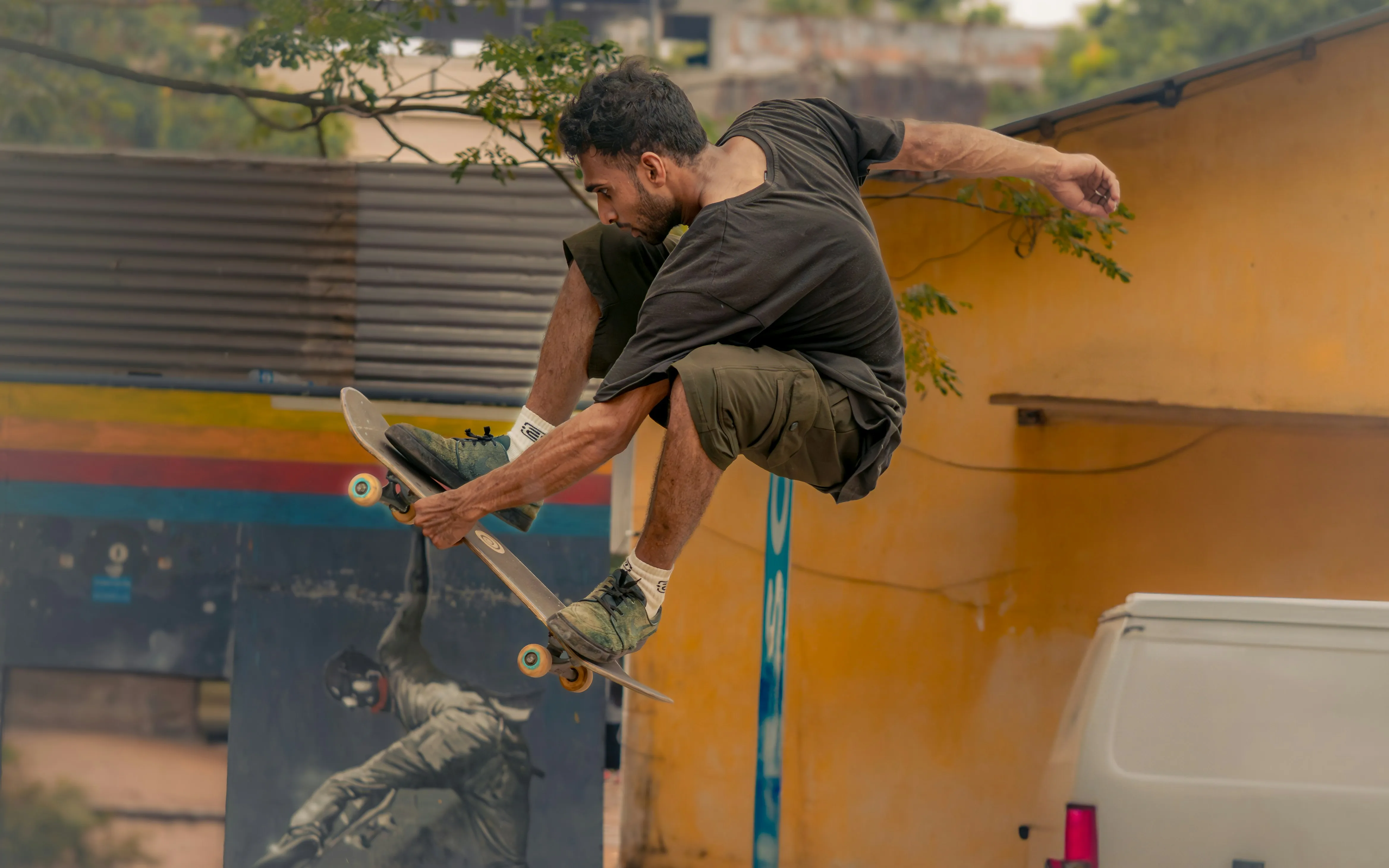
Skateboarder performing trick at skatepark
Sports & Recreation

Skateboarding Risk Assessment Template

The complete guide to creating professional risk assessments for skateparks, clubs, and youth programs. Protect your skaters and meet safety standards.

Free to use Instant PDF download Updated February 2026

The essential guide to skateboarding safety

Skateboarding has evolved from a street activity to an Olympic sport, attracting millions of participants worldwide. From beginner lessons to advanced trick coaching, skateboarding offers unique physical and creative benefits while requiring careful attention to safety.

A comprehensive risk assessment is essential for any skatepark, youth program, or club running skateboarding activities. It demonstrates your commitment to participant safety, helps prevent accidents, and ensures compliance with health and safety legislation.

This guide covers everything you need to create a thorough skateboarding risk assessment—from identifying park-specific hazards to implementing practical control measures that keep your skaters safe.

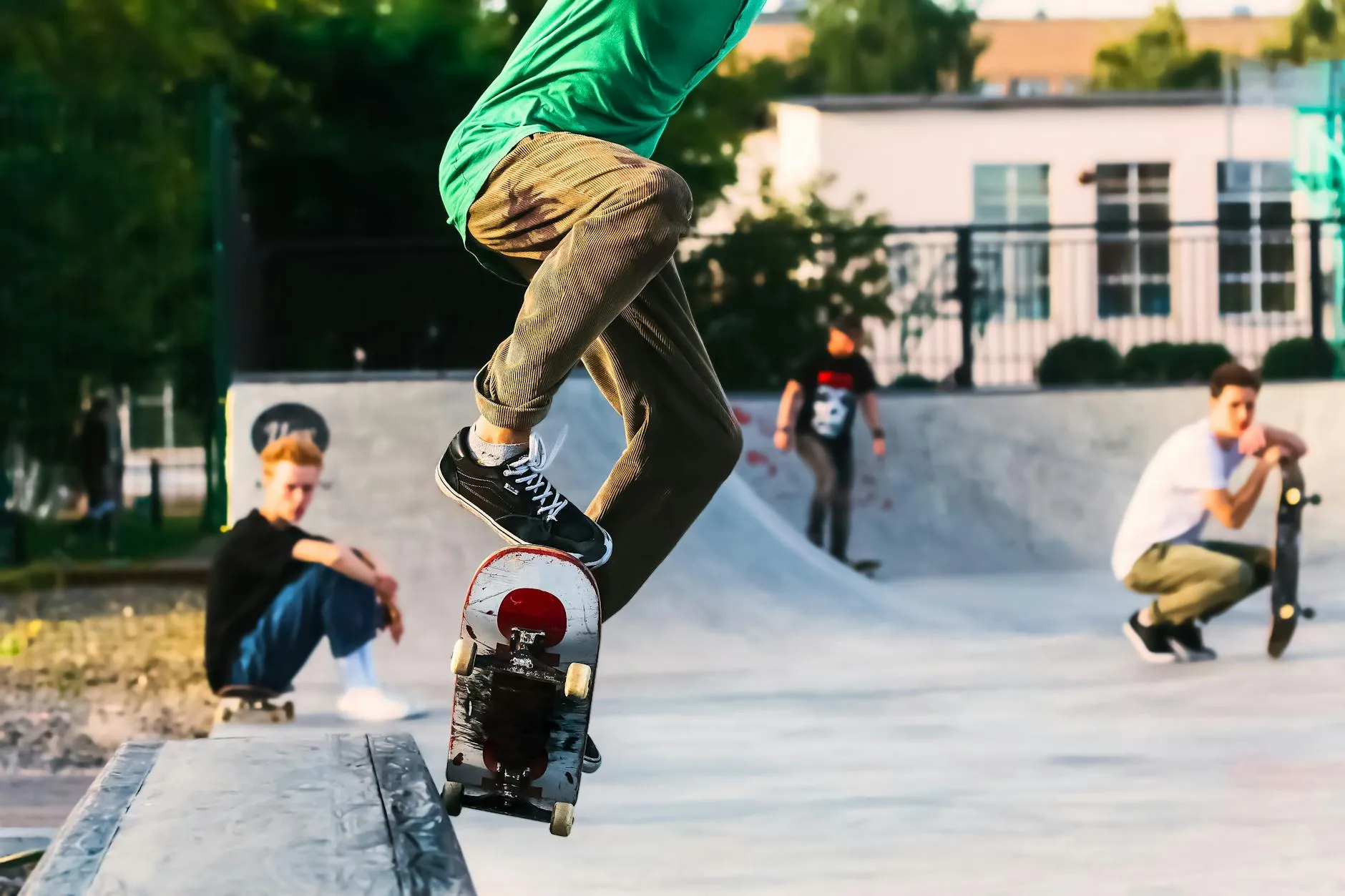
Skateboarder at skatepark
Sport & Fitness

Why skateboarding is worth the investment

Understanding the benefits helps you communicate value to participants while creating a balanced risk assessment.

Balance & Coordination

Enhances balance and coordination through dynamic movements and tricks.

Lower Body Strength

Improves lower body strength and muscle tone with repetitive pushing and jumping.

Agility & Flexibility

Develops agility and flexibility through quick directional changes and maneuvering.

Mental Focus

Boosts mental focus and concentration required for executing complex tricks safely.

Cardiovascular Fitness

Increases cardiovascular fitness and endurance through sustained active play.

Physical Fitness

Supports overall physical fitness and muscle toning through consistent practice.

Who needs a skateboarding risk assessment?

If you're involved in organising or delivering skateboarding activities, you need a documented risk assessment. This applies to:

Skateparks & Facilities

Public and private skateparks have a duty of care to all users. Risk assessments should cover facility design, maintenance, and supervision.

Schools & Youth Programs

Schools and organisations running skateboarding programs must conduct comprehensive risk assessments with additional safeguarding considerations.

Skateboard Schools & Coaches

Professional instructors and coaching programs need risk assessments covering all lesson types and skill levels.

Events & Competitions

Organisers of skateboarding events, demos, or competitions should have documented risk assessments for all activities.

Insurance requirement

Skateboarding carries significant injury risks. Most insurance providers require documented risk assessments as a condition of coverage. Without proper documentation, your liability coverage may be compromised.

Key hazards & control measures

Effective risk assessment starts with thorough hazard identification. Here are the primary hazards associated with skateboarding.

Head Injuries High Risk
Potential Harm

Concussions, traumatic brain injuries, skull fractures.

Control Measures
  • Mandate certified helmet use
  • Ensure helmets are properly fitted
  • Conduct regular helmet inspections
  • Provide safe landing areas with padding
Benefit

Helmets significantly reduce serious head injury risk.

Collisions with Other Users Medium Risk
Potential Harm

Injuries from hitting other skaters or obstacles.

Control Measures
  • Implement clear traffic rules within skate areas
  • Use signage to indicate high-traffic zones
  • Enforce respectful behavior
  • Provide ample space to reduce collisions
Benefit

Organized spaces promote smooth flow and reduce accidents.

Faulty Equipment Medium Risk
Potential Harm

Injuries from broken decks, loose trucks, or compromised wheels.

Control Measures
  • Conduct regular skateboard inspections
  • Replace faulty components immediately
  • Encourage skaters to maintain their boards
  • Report issues promptly
Benefit

Reliable skateboards ensure safe practice.

Attempting Tricks Beyond Skill Level Medium Risk
Potential Harm

Falls and injuries from maneuvers exceeding abilities.

Control Measures
  • Provide progressive training programs
  • Encourage mastering basics before advancing
  • Supervise trick practice
  • Offer guidance to prevent overreaching
Benefit

Gradual skill development builds confidence safely.

Rough or Wet Surfaces Medium Risk
Potential Harm

Slips, falls, sprains, abrasions from poor surfaces.

Control Measures
  • Ensure smooth, well-maintained surfaces
  • Inspect and repair rough patches
  • Close areas during wet conditions
  • Provide indoor alternatives if available
Benefit

Smooth surfaces allow confident maneuvers.

Faulty Skatepark Equipment Medium Risk
Potential Harm

Injuries from ramps collapsing, broken rails, unstable structures.

Control Measures
  • Conduct regular equipment inspections
  • Use high-quality, safety-certified materials
  • Remove or repair faulty equipment immediately
  • Train staff to recognize equipment failure signs
Benefit

Safe equipment allows confident trick performance.

Debris on Surfaces Low Risk
Potential Harm

Loss of control, trips, and falls from wheels catching debris.

Control Measures
  • Regularly remove debris and obstacles
  • Provide designated storage areas
  • Encourage skaters to inspect wheels before use
  • Supervise to ensure cleanliness
Benefit

Clean areas allow smoother movement.

Lack of Protective Gear High Risk
Potential Harm

Increased severity of injuries during falls or collisions.

Control Measures
  • Mandate protective gear for organized sessions
  • Provide access to quality equipment
  • Educate on importance of protection
  • Enforce gear usage consistently
Benefit

Protective gear reduces injury severity significantly.

Motor Traffic High Risk
Potential Harm

Injuries from collisions with vehicles.

Control Measures
  • Establish clear boundaries using barriers
  • Implement no-entry rules for vehicles
  • Provide clear signage for safe zones
  • Educate on staying within designated areas
Benefit

Safe boundaries enhance accessibility and variety.

This guide covers the most common hazards. Our risk assessment wizard includes 34 hazards and 123+ control measures for Skateboarding, sourced from industry guidance — create your assessment in minutes.

Qualified instruction

All skateboarding instruction should be delivered by experienced coaches. Essential requirements include:

  • Demonstrated skateboarding competence and teaching ability
  • Coaching qualification where available
  • Background/safeguarding check for anyone working with children
  • Current first aid certification
  • Public liability insurance

Skater-to-instructor ratios

Recommended maximum ratios for safe supervision:

  • Beginners/Children: 1 instructor to 6 skaters
  • Intermediate: 1 instructor to 8 skaters
  • Advanced: 1 instructor to 10 skaters

Helmet policy

Helmets should be mandatory for all organized skateboarding sessions. Ensure helmets are properly certified and correctly fitted. Replace any damaged helmets immediately.

Equipment safety requirements

Properly maintained equipment is crucial for skateboarding safety. Before any session, check:

Skateboards

  • Deck free from cracks or damage
  • Grip tape in good condition
  • Trucks tight and properly adjusted
  • Wheels spinning freely without wobble
  • Hardware secure

Protective Equipment

  • Helmet certified and properly fitted
  • Wrist guards in good condition
  • Knee pads secure and functional
  • Elbow pads available
  • Appropriate footwear (flat-soled shoes)

Facility

  • Ramps and rails structurally sound
  • Surfaces smooth and dry
  • Clear of debris and obstacles
  • First aid kit accessible

Practical tip

Implement a "board check" routine before each session. Encourage skaters to inspect their equipment regularly and report any concerns immediately.

Pre-session checklist

Facility

  • Surfaces dry and clean
  • Debris removed
  • Ramps/rails inspected
  • Boundaries clearly marked
  • First aid accessible

Equipment

  • Skateboards inspected
  • Trucks/wheels checked
  • Helmets fitted
  • Protective gear worn
  • Appropriate footwear

Session Management

  • Qualified instructor present
  • Appropriate ratios maintained
  • Skill levels assessed
  • Safety briefing delivered
  • Rules explained

Frequently asked questions

A skateboarding risk assessment should include: identification of hazards (falls, collisions, equipment failure, surface conditions), who is at risk, existing control measures, risk ratings, emergency procedures, and review dates.

Common skateboarding injuries include wrist fractures (from falls on outstretched hands), ankle sprains, head injuries, and abrasions. Proper protective gear—especially helmets and wrist guards—significantly reduces injury severity.

Requirements vary by location, but helmets are strongly recommended for all skaters and should be mandatory for organized sessions, especially for children. Helmets significantly reduce the risk of head injuries.

Children can start skateboarding from around age 5-6, depending on their coordination and ability to follow instructions. Beginners should use appropriately sized boards, wear full protective gear, and have close supervision.

Visual inspections should be conducted daily before opening. More thorough structural inspections should be done weekly, with comprehensive professional inspections at least annually. Document all inspections and any repairs.

Ready to create your skateboarding risk assessment?

Use our free tool to generate a professional, comprehensive risk assessment tailored for skateboarding activities.