Risk Assessment Wizard

Create clear, professional risk assessments in minutes. List hazards, set measures and assign responsibilities, then download a clean PDF branded with your organisation.

Get Started

  • Create a Risk Assessment
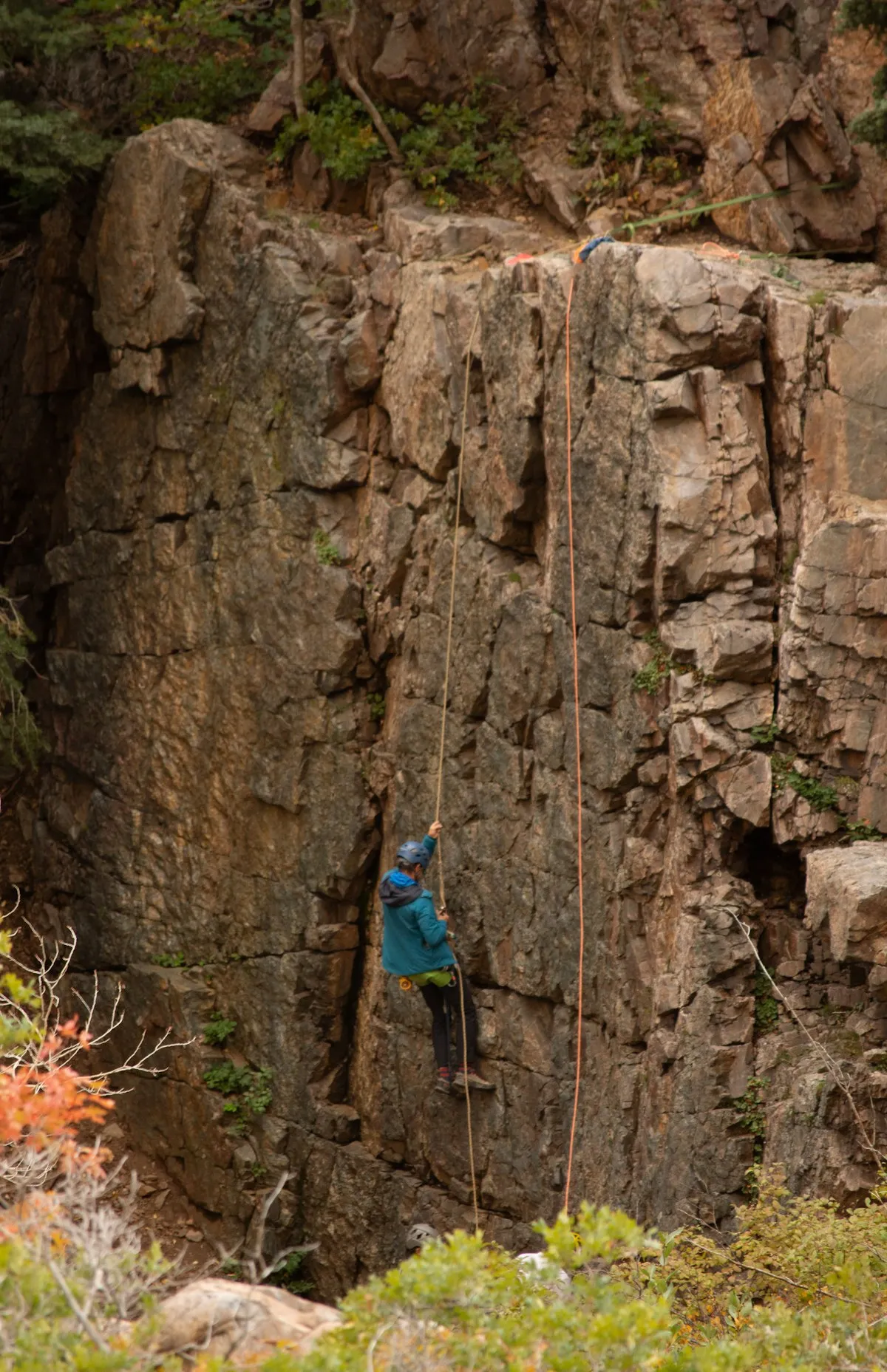
Rock climber ascending outdoor cliff face
Sports & Recreation

Outdoor Rock Climbing Risk Assessment Template

The complete guide to creating professional risk assessments for outdoor climbing clubs, providers, and instruction.

Free to use Instant PDF download Updated February 2026

The essential guide to outdoor rock climbing safety

Outdoor rock climbing offers unparalleled challenges and rewards, from single-pitch crags to multi-pitch mountain routes. Unlike indoor climbing, the outdoor environment presents additional hazards requiring comprehensive risk management.

A thorough risk assessment is essential for any organisation running outdoor climbing activities—from club meets and guided days to youth programmes and commercial instruction. It ensures climber safety, prevents accidents, and demonstrates your commitment to best practice.

This guide covers everything you need to create a thorough outdoor rock climbing risk assessment—from fall protection and anchor systems to weather hazards, rockfall, access considerations, and emergency procedures.

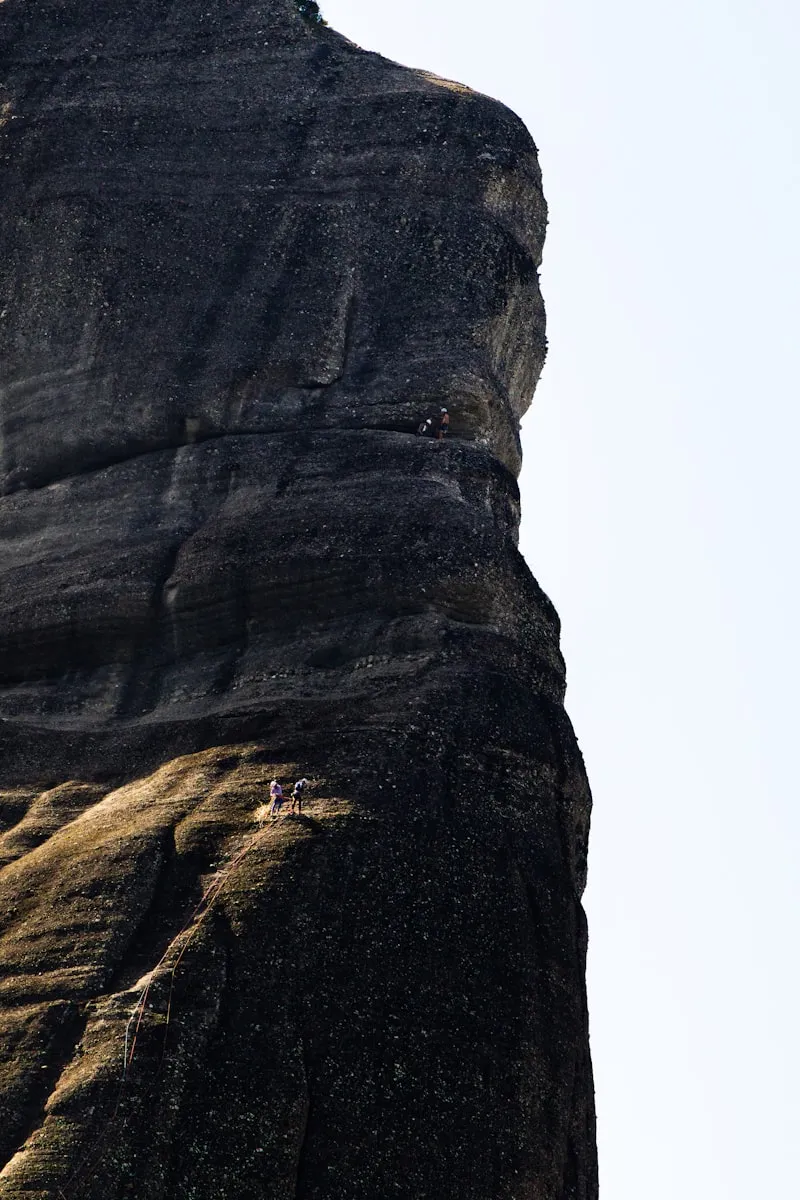
Climbers on mountain rock face
Sport & Fitness

Why outdoor rock climbing is worth the investment

Understanding the benefits helps communicate value while creating a balanced risk assessment.

Full-Body Fitness

Develops strength, flexibility, and endurance through dynamic whole-body movement.

Problem Solving

Each route is a puzzle requiring creativity, planning, and adaptive thinking.

Nature Connection

Access to spectacular outdoor environments and unique perspectives.

Trust & Teamwork

Belaying develops responsibility, communication, and mutual trust.

Mental Resilience

Builds confidence, focus, and ability to manage fear constructively.

Achievement

Tangible sense of accomplishment from completing challenging routes.

Who needs an outdoor rock climbing risk assessment?

If you're organising any form of outdoor rock climbing activity, you need a documented risk assessment:

Climbing Clubs

Clubs running outdoor meets need assessments for each venue considering access, routes, and group management.

Outdoor Centres & Providers

Commercial providers offering guided climbing or instruction require comprehensive assessments meeting regulatory and industry standards.

Schools & Youth Groups

Educational organisations running climbing activities need enhanced assessments with appropriate supervision ratios and safeguarding.

Individual Instructors

Freelance instructors need venue-specific assessments demonstrating professional practice and due diligence.

Venue-specific assessments

Each outdoor climbing venue presents unique hazards—rock type, anchor options, approach dangers, and environmental factors vary significantly. Your risk assessment must be specific to each crag or venue, updated when conditions change.

Key hazards & control measures

Outdoor rock climbing presents significant hazards requiring robust management.

Anchor Failure High Risk
Potential Harm

Catastrophic failure leading to falls of climber and/or belayer.

Control Measures
  • Multiple anchor points with redundancy
  • Inspection of fixed anchors before use
  • Qualified assessment of natural anchors
  • Load distribution across anchor system
Rockfall High Risk
Potential Harm

Head injuries, trauma from falling rock or dislodged debris.

Control Measures
  • Helmets worn by all climbers and belayers
  • Assess rock quality before climbing
  • Avoid climbing below others where possible
  • Clear warning calls for any rockfall
Weather Medium Risk
Potential Harm

Slippery rock, lightning strike, hypothermia, reduced visibility.

Control Measures
  • Check weather forecast before departure
  • Avoid climbing in rain or when rock is wet
  • Lightning protocol and evacuation plan
  • Appropriate clothing for conditions
Equipment Failure Medium Risk
Potential Harm

Falls or injury from worn, damaged, or incorrectly used equipment.

Control Measures
  • Regular inspection of all equipment
  • Equipment log and retirement schedule
  • Training on correct equipment use
  • Partner checks before climbing
Approach Hazards Medium Risk
Potential Harm

Slips, trips, falls on approach paths or cliff-top areas.

Control Measures
  • Appropriate footwear for terrain
  • Group management on approaches
  • Identify cliff-edge dangers
  • Safe areas for gear preparation

This guide covers the most common hazards. Our risk assessment wizard includes 44 hazards and 78+ control measures for Rock Climbing (Outdoor), sourced from industry guidance — create your assessment in minutes.

Safety equipment requirements

Proper equipment is fundamental to outdoor climbing safety.

Personal Equipment

  • Helmet: Safety-certified climbing helmet worn at all times at crag
  • Harness: Properly fitted climbing harness, doubled back
  • Climbing Shoes: Appropriate footwear for rock type
  • Belay Device: Suitable device with appropriate rope diameter
  • Locking Carabiners: For belay and personal safety

Group/Technical Equipment

  • Ropes: Dynamic climbing ropes, inspected and logged
  • Quickdraws: For sport climbing protection
  • Trad Rack: Nuts, cams, slings for traditional climbing
  • Anchor Equipment: Slings, cordelette, screwgate carabiners
  • First Aid Kit: Comprehensive outdoor first aid kit
  • Emergency Shelter: Group shelter for mountain venues

Equipment inspection

All climbing equipment must be regularly inspected, logged, and retired when damaged or at end of life. Soft goods (ropes, slings, harnesses) require particular attention. Maintain equipment logs showing purchase date, usage, and inspection history.

Environmental considerations

Outdoor climbing takes place in sensitive natural environments requiring responsible practice.

Access & Conservation

  • Respect seasonal restrictions for nesting birds
  • Follow access agreements and local guidelines
  • Minimise erosion on approaches and at crag bases
  • Leave no trace—take all litter and waste

Weather Assessment

  • Check detailed forecasts including wind at height
  • Understand local weather patterns
  • Monitor conditions throughout the day
  • Have alternative plans for weather changes

Wet rock

Most rock types become significantly more slippery when wet. Sandstone can be damaged when climbed wet. Check recent rainfall and allow adequate drying time. Some venues are climbable in light rain while others become dangerous—know your venue.

Pre-climb checklist

Use this checklist before every outdoor climbing session.

Conditions Check

  • Weather forecast checked
  • Rock conditions suitable (dry)
  • No access restrictions in place
  • Approach route confirmed
  • Emergency access identified
  • Contact left with responsible person

Equipment Check

  • Helmets for all participants
  • Harnesses fitted and doubled back
  • Ropes inspected
  • Hardware checked and complete
  • First aid kit packed
  • Communication devices charged

Group Readiness

  • Group briefed on plan
  • Competencies confirmed
  • Communication signals agreed
  • Emergency procedures understood
  • Partner checks completed
  • Appropriate clothing worn

Frequently asked questions

An outdoor rock climbing risk assessment should cover: fall hazards and belay systems, anchor construction and inspection, equipment checks and maintenance, weather conditions and wet rock, rockfall and loose rock hazards, approach and cliff-top dangers, group management, emergency procedures, and environmental considerations including access agreements.

Outdoor climbing instructors should hold Mountain Training qualifications appropriate to the terrain—Rock Climbing Instructor (RCI) for single-pitch venues, or Mountain Instructor Award (MIA) / Mountain Instructor Certificate (MIC) for multi-pitch and mountainous terrain. They also need current outdoor first aid, safeguarding training, and extensive personal climbing experience.

Essential personal equipment includes: climbing helmet (worn at all times at the crag), properly fitted harness, climbing shoes, belay device, and locking carabiners. Group equipment includes dynamic ropes, protection (quickdraws for sport, rack for trad), anchor equipment, and first aid kit. All equipment must be regularly inspected and logged.

Anchors should be assessed using the SERENE principle: Solid (each point bomber), Equalized (load shared), Redundant (backup points), Efficient (quick to build), No Extension (won't shock-load if one point fails). Fixed anchors should be visually inspected for wear, corrosion, or damage. Never rely on a single point of failure.

Create your outdoor rock climbing risk assessment now

Use our free template builder to create a comprehensive, professional risk assessment for your outdoor climbing activities in minutes.