Risk Assessment Wizard

Create clear, professional risk assessments in minutes. List hazards, set measures and assign responsibilities, then download a clean PDF branded with your organisation.

Get Started

  • Create a Risk Assessment
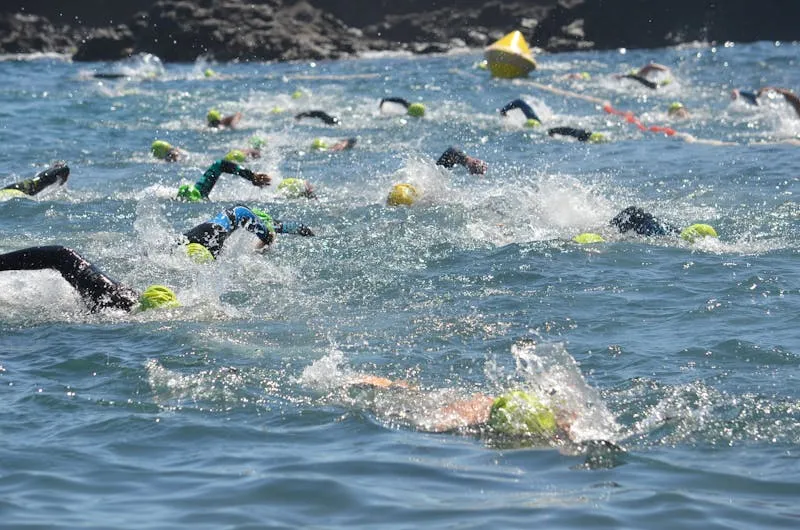
Triathlon swimmers in open water race
Sports & Recreation

Open Water Swimming Risk Assessment Template

The complete guide to creating professional risk assessments for open water swimming clubs, events, and training programmes.

Free to use Instant PDF download Updated February 2026

The essential guide to open water swimming safety

Open water swimming has grown exponentially in popularity, from recreational lake swims to triathlon training and competitive marathon swimming. Unlike pool swimming, open water presents unique environmental challenges.

A comprehensive risk assessment is essential for any organisation running open water swimming activities—from club sessions and coached swims to mass participation events. It ensures swimmer safety, prevents incidents, and demonstrates your commitment to duty of care.

This guide covers everything you need to create a thorough open water swimming risk assessment—from cold water shock and hypothermia to water quality, currents, visibility, and safety cover requirements.

Athlete preparing for open water swim at lake
Sport & Fitness

Why open water swimming is worth the investment

Understanding the benefits helps communicate value while creating a balanced risk assessment.

Cardiovascular Fitness

Excellent full-body aerobic workout improving heart health and endurance.

Mental Wellbeing

Cold water immersion releases endorphins and reduces stress and anxiety.

Cold Adaptation

Regular cold water exposure improves circulation and immune response.

Nature Connection

Swimming in natural environments enhances wellbeing and mindfulness.

Community

Strong social aspect with supportive swimming communities.

Achievement

Challenging goals from first swims to marathon distances.

Who needs an open water swimming risk assessment?

If you're organising any form of open water swimming activity, you need a documented risk assessment:

Swimming Clubs

Clubs running regular open water sessions need comprehensive risk assessments for each venue and conditions.

Triathlon Clubs & Coaches

Organisations providing open water training for triathletes require assessments covering group swims and coached sessions.

Event Organisers

Mass participation events, races, and charity swims need detailed assessments covering course safety, swimmer management, and emergency procedures.

Outdoor Centres

Activity providers offering open water swimming experiences need venue-specific assessments with enhanced safety provisions.

Venue-specific assessments

Each open water venue presents unique hazards—lakes, rivers, reservoirs, and sea all have different characteristics. Your risk assessment must be specific to the venue, considering local hazards, water quality, access points, and emergency egress.

Key hazards & control measures

Open water swimming presents unique environmental hazards requiring careful management.

Cold Water Shock High Risk
Potential Harm

Gasp reflex, hyperventilation, cardiac arrest, swim failure from sudden immersion.

Control Measures
  • Gradual acclimatisation for cold water
  • Enter water slowly, not diving in
  • Cold water education for all swimmers
  • Wetsuits in colder temperatures
Hypothermia High Risk
Potential Harm

Progressive loss of body temperature leading to incapacitation and death.

Control Measures
  • Limit swim duration based on water temperature
  • Monitor swimmers for signs of cold
  • Warm clothing and hot drinks post-swim
  • Know "afterdrop" risks and management
Currents & Tides Medium Risk
Potential Harm

Swimmers swept away, exhaustion fighting current, unable to exit.

Control Measures
  • Assess currents and tides before swimming
  • Choose appropriate venue for conditions
  • Brief swimmers on current behaviour
  • Define safe swimming boundaries
Water Quality Medium Risk
Potential Harm

Gastrointestinal illness, ear/eye infections, Weil's disease from contaminated water.

Control Measures
  • Check water quality data before sessions
  • Avoid swimming after heavy rainfall
  • Cover cuts before swimming
  • Shower after swimming
Boat Traffic Medium Risk
Potential Harm

Collision with boats, jet skis, or other watercraft.

Control Measures
  • High-visibility swim caps and tow floats
  • Swim in designated areas where possible
  • Safety boat escort for group swims
  • Avoid shipping channels and busy areas

This guide covers the most common hazards. Our risk assessment wizard includes 42 hazards and 81+ control measures for Open Water Swimming, sourced from industry guidance — create your assessment in minutes.

Safety equipment requirements

Proper equipment enhances safety for open water swimming.

Swimmer Equipment

  • Bright Swim Cap: High-visibility colour for spotting
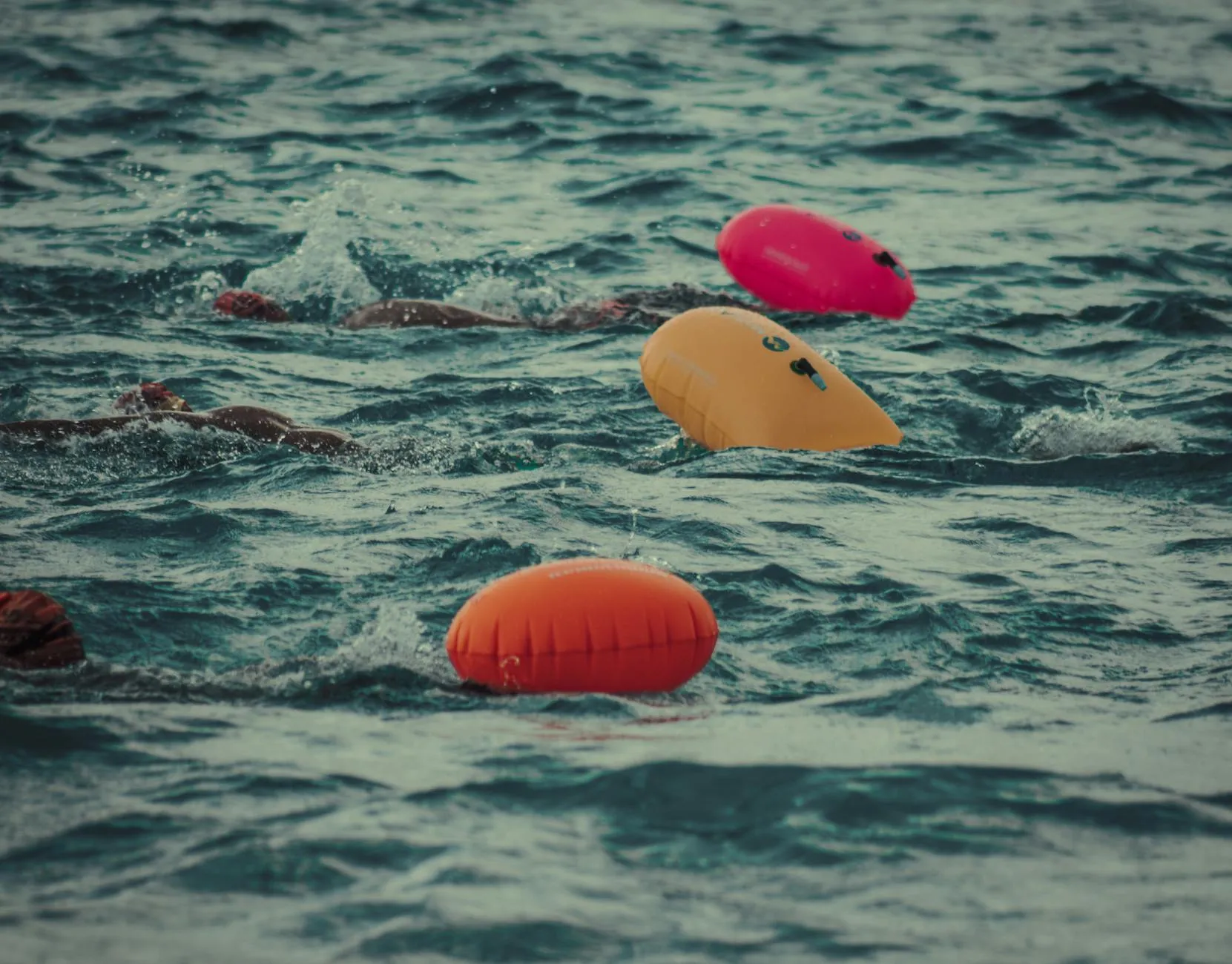
  • Tow Float: Inflatable buoy for visibility and rest
  • Wetsuit: Appropriate for water temperature (optional in warmer water)
  • Goggles: Clear or tinted for conditions
  • Earplugs: To prevent ear infections

Safety Cover Equipment

  • Safety Kayaks/SUPs: For swimmer support and rescue
  • Safety Boat: For larger groups or events
  • Throw Bags: For rescue from shore
  • First Aid Kit: Including hypothermia treatment
  • Communication: VHF, mobile, whistles
  • Warm Kit: Blankets, changing robes, hot drinks

Tow floats

Tow floats are highly recommended for all open water swimmers. They provide visibility to other water users, a rest point if needed, and can store essentials. Many venues require them as a condition of swimming.

Assessing water conditions

Understanding and assessing water conditions is fundamental to open water swimming safety.

Temperature Guidelines

  • Above 18°C: Comfortable for most swimmers, wetsuits optional
  • 14-18°C: Cool—wetsuits recommended for longer swims
  • 10-14°C: Cold—acclimatisation required, limit duration
  • Below 10°C: Very cold—experienced swimmers only, strict limits

Before Every Session

  • Check water temperature
  • Assess weather conditions and forecast
  • Check for pollution warnings or blue-green algae
  • Identify any new hazards at venue
  • Confirm safety cover is in place

Afterdrop

Body temperature continues to fall after exiting cold water as cold blood from extremities returns to the core. This "afterdrop" can cause collapse 10-40 minutes post-swim. Warm up gradually with layers and warm drinks—avoid hot showers immediately after cold swims.

Pre-swim checklist

Use this checklist before every open water swimming session.

Conditions Check

  • Water temperature checked
  • Weather conditions suitable
  • Water quality confirmed
  • No pollution or algae warnings
  • Currents/tides assessed
  • Entry and exit points confirmed

Swimmer Readiness

  • Swimmer competency verified
  • Bright swim cap worn
  • Tow float attached
  • Appropriate exposure protection
  • Swimmers briefed on conditions
  • Buddy system in place

Safety Cover

  • Safety kayaks/boards in position
  • First aid kit available
  • Communication devices working
  • Emergency plan understood
  • Warm kit ready post-swim
  • Someone counting swimmers

Frequently asked questions

An open water swimming risk assessment should cover: drowning prevention, cold water shock and hypothermia, water quality and pollution, currents and tides, visibility and boat traffic, swimmer competency verification, safety cover requirements, entry/exit points, and emergency procedures including hypothermia treatment.

Water below 15°C poses significant cold water shock risk. Below 10°C is considered very cold and requires acclimatisation, appropriate exposure suits, and strict time limits. Inexperienced swimmers should avoid water below 14°C without proper preparation. Even experienced cold water swimmers should limit time and have safety cover in very cold water.

Open water sessions require appropriate safety cover which may include: safety kayakers or paddleboarders who can reach any swimmer quickly, safety boats for larger events or venues, qualified lifeguards, first aid provision including hypothermia equipment, and clear communication systems. Ratios depend on water conditions, swimmer numbers, course layout, and swimmer experience.

Cold water shock is the body's involuntary response to sudden cold water immersion. It causes a gasp reflex, rapid uncontrollable breathing, increased heart rate, and can trigger cardiac problems. The response typically lasts 1-3 minutes. Enter water gradually, control breathing, and acclimatise progressively over weeks to reduce the shock response.

Create your open water swimming risk assessment now

Use our free template builder to create a comprehensive, professional risk assessment for your open water swimming activities in minutes.