Risk Assessment Wizard

Create clear, professional risk assessments in minutes. List hazards, set measures and assign responsibilities, then download a clean PDF branded with your organisation.

Get Started

  • Create a Risk Assessment
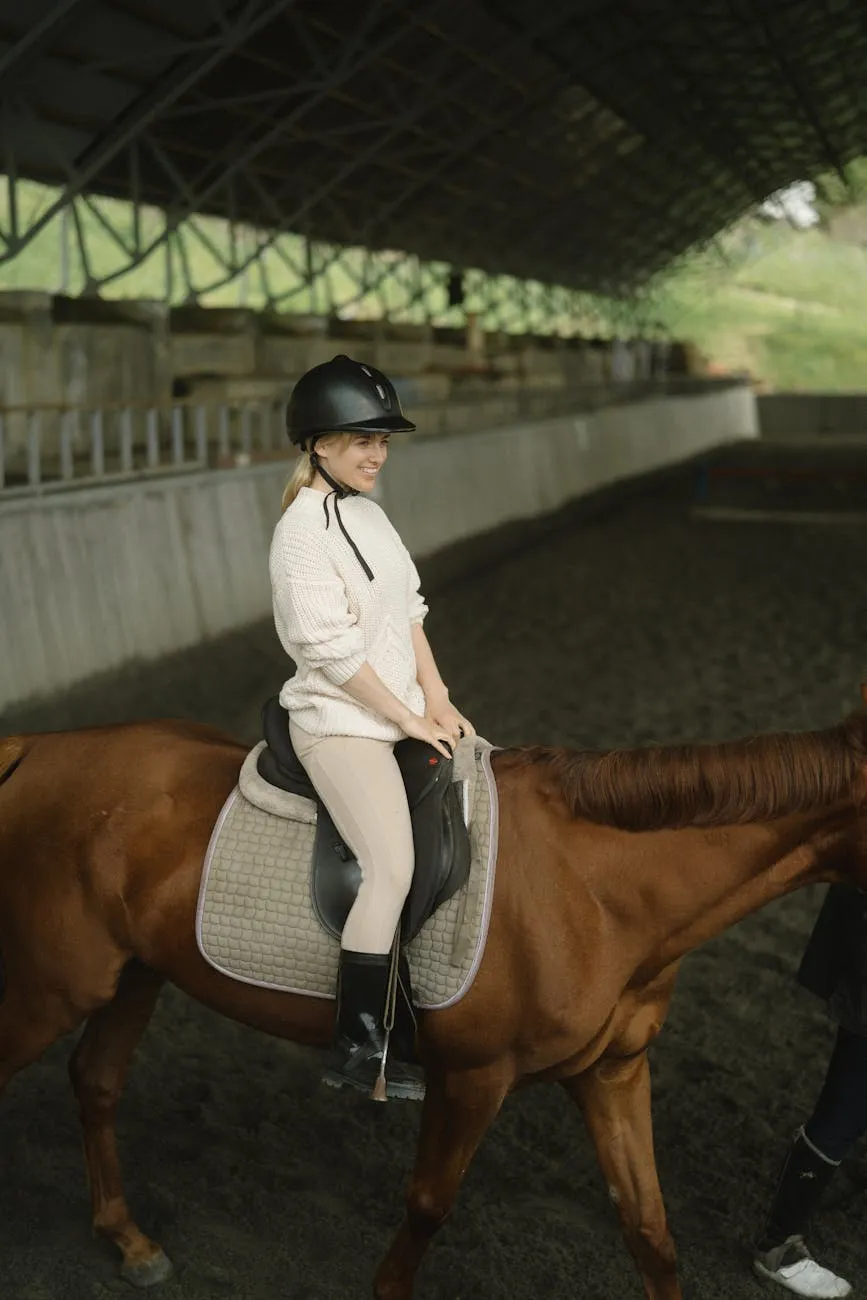
Horse rider in indoor arena
Sports & Recreation

Horse Riding Risk Assessment Template

The complete guide to creating professional risk assessments for riding schools, livery yards, and equestrian centres. Protect your riders and meet safety standards.

Free to use Instant PDF download Updated February 2026

The essential guide to equestrian safety

Horse riding is a unique sport that combines physical skill, mental discipline, and the partnership between rider and horse. From beginner lessons to competitive show jumping, equestrian activities offer profound benefits while requiring careful attention to safety.

A comprehensive risk assessment is essential for any riding school, livery yard, or equestrian centre. It demonstrates your commitment to participant safety, helps prevent accidents, and ensures compliance with health and safety legislation and licensing requirements.

This guide covers everything you need to create a thorough horse riding risk assessment—from identifying equestrian-specific hazards to implementing practical control measures that keep your riders and horses safe.

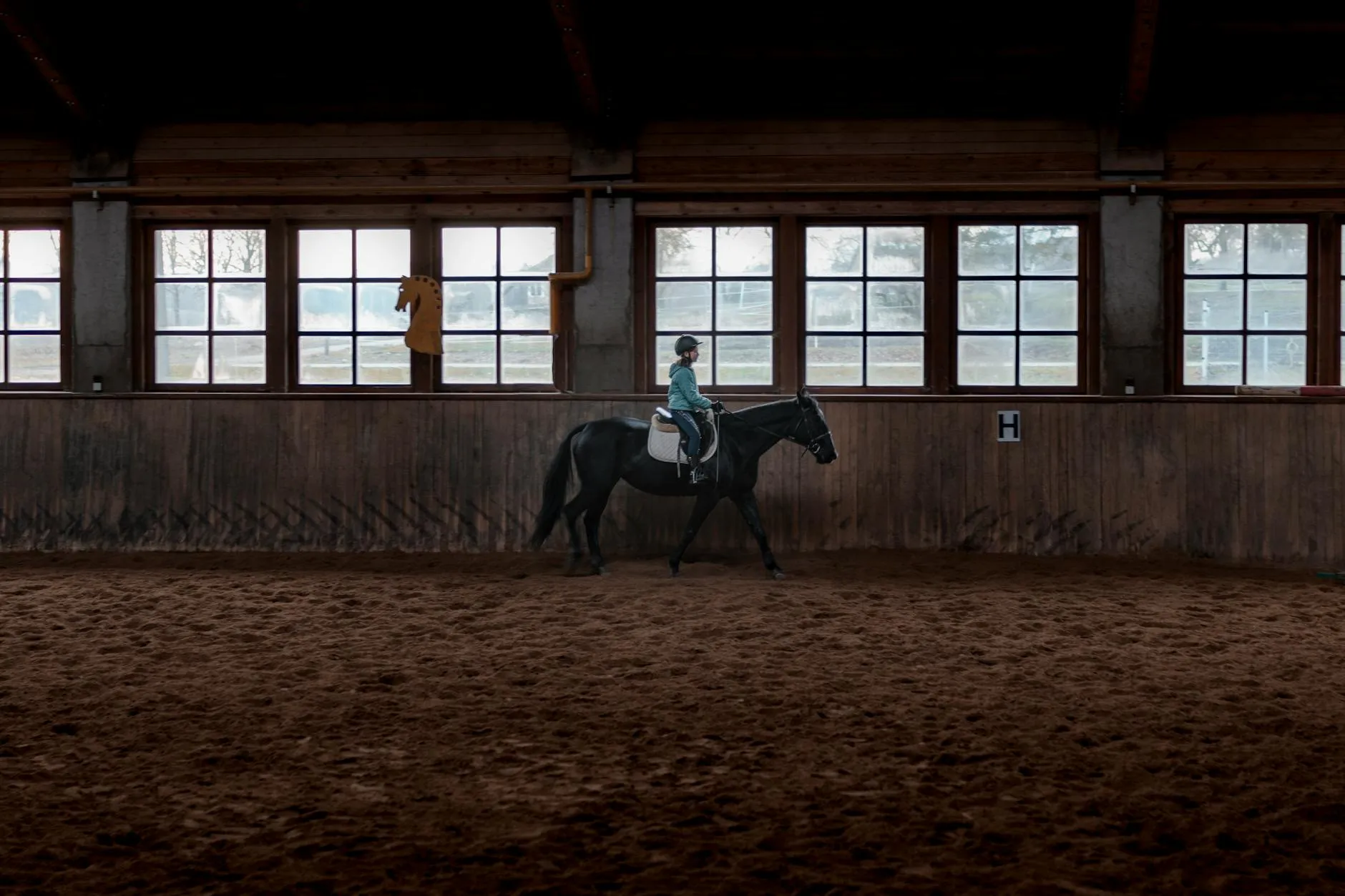
Horse and rider training
Sport & Fitness

Why horse riding is worth the investment

Understanding the benefits helps you communicate value to participants while creating a balanced risk assessment.

Balance & Coordination

Enhances balance and coordination through maintaining posture and controlling the horse.

Core Strength

Improves core strength and stability with consistent riding and maneuvering.

Mental Focus

Develops mental focus and patience required for effective communication with the horse.

Flexibility

Boosts flexibility and range of motion through dynamic riding movements and transitions.

Muscle Endurance

Increases muscle strength and endurance, particularly in the legs and core.

Emotional Wellbeing

Supports emotional well-being and stress relief through bonding with the horse.

Who needs a horse riding risk assessment?

If you're involved in organising or delivering equestrian activities, you need a documented risk assessment. This applies to:

Riding Schools & Centres

Licensed riding schools have a duty of care to all clients and visitors. Risk assessments should cover all activities from lead-rein to advanced instruction.

Livery Yards

Yards providing livery services need risk assessments covering shared facilities, communal riding areas, and interactions between different horses and handlers.

Schools & Youth Groups

Schools and organisations running riding programs must conduct comprehensive risk assessments with additional safeguarding considerations.

Trekking & Trail Riding

Operators offering hacking, trekking, or trail rides need specific risk assessments covering outdoor terrain and public spaces.

Licensing requirement

In many jurisdictions, riding schools require a license to operate. Risk assessments are typically a mandatory part of the licensing process and are inspected regularly. Insurance providers also require documented risk assessments.

Key hazards & control measures

Effective risk assessment starts with thorough hazard identification. Here are the primary hazards associated with horse riding.

Horse Bolting or Spooking High Risk
Potential Harm

Serious injuries from sudden, uncontrolled movements.

Control Measures
  • Use secure fencing and barriers
  • Train horses to remain calm
  • Educate riders on handling unexpected behavior
  • Implement strict safety protocols
Benefit

Controlled environments allow riders to train safely and build confidence.

Horse Rearing or Bucking High Risk
Potential Harm

Injuries from the horse lifting front legs or kicking unpredictably.

Control Measures
  • Train horses to reduce these behaviors
  • Ensure tack is well-fitted and comfortable
  • Educate riders on how to respond
  • Use padding around barriers
Benefit

Managing horse behavior ensures safer and more enjoyable riding.

Horse Kicking or Biting Medium Risk
Potential Harm

Serious injuries from aggressive or defensive actions.

Control Measures
  • Train horses to reduce aggressive behaviors
  • Train handlers in safe handling techniques
  • Use properly fitted tack
  • Supervise all interactions
Benefit

Managing horse behavior ensures safer interactions and builds trust.

Uneven or Wet Ground Medium Risk
Potential Harm

Slips, trips, falls for both horse and rider.

Control Measures
  • Inspect and maintain riding areas
  • Use non-slip surfaces where possible
  • Educate on safe practices in varying conditions
  • Provide appropriate footwear guidance
Benefit

Safe ground conditions allow effective training.

Poorly Fitted Tack Medium Risk
Potential Harm

Discomfort or injury from improper equipment fit.

Control Measures
  • Conduct regular tack inspections
  • Provide fitting sessions for riders
  • Educate on importance of correct fit
  • Replace damaged equipment promptly
Benefit

Properly fitted tack enhances comfort and performance.

Improper Mounting/Dismounting Medium Risk
Potential Harm

Falls or injuries during getting on or off the horse.

Control Measures
  • Teach proper mounting/dismounting techniques
  • Use mounting blocks or aids
  • Supervise closely, especially beginners
  • Encourage taking time and maintaining balance
Benefit

Safe mounting practices prevent injuries and build rider confidence.

Collisions with Other Riders Medium Risk
Potential Harm

Injuries from accidental impacts during group sessions.

Control Measures
  • Implement clear riding paths and boundaries
  • Educate on maintaining awareness
  • Use mirrors in training areas
  • Enforce safe riding distances
Benefit

Organized riding reduces collision risks.

Inadequate Supervision High Risk
Potential Harm

Unsafe behavior, increased injury risk, delayed emergency response.

Control Measures
  • Ensure qualified instructors are present
  • Maintain appropriate ratios
  • Supervise closely to enforce safety rules
  • Provide ongoing staff training
Benefit

Effective supervision ensures safe training and prompt incident response.

Unpredictable Reactions Medium Risk
Potential Harm

Injuries from horses reacting to loud noises or sudden movements.

Control Measures
  • Train horses to remain calm around stimuli
  • Educate riders on handling reactions
  • Use barriers to shield from disruptions
  • Minimize startling stimuli
Benefit

Calm horses provide safer, more predictable environments.

This guide covers the most common hazards. Our risk assessment wizard includes 41 hazards and 158+ control measures for Horse Riding, sourced from industry guidance — create your assessment in minutes.

Qualified instruction

All horse riding instruction should be delivered by appropriately qualified instructors. Essential requirements include:

  • Recognised instructor qualification from your national equestrian body
  • Background/safeguarding check for anyone working with children
  • Current first aid certification
  • Public liability insurance
  • Knowledge of horse behavior and welfare

Rider-to-instructor ratios

Recommended maximum ratios for safe supervision:

  • Lead-rein/Beginners: 1 instructor to 4 riders (with handlers)
  • Novice/Intermediate: 1 instructor to 6 riders
  • Advanced: 1 instructor to 8 riders

Ratios may need to be lower for jumping lessons or riders with additional needs.

Helmet policy

All riders must wear correctly fitted, current-standard riding helmets that meet recognised equestrian safety standards at all times when mounted. Body protectors are recommended for jumping and cross-country.

Equipment safety requirements

Properly maintained tack and equipment is crucial for equestrian safety. Before any session, check:

Tack (Saddles & Bridles)

  • Leather in good condition, no cracks
  • Stitching secure and intact
  • Buckles and clips functional
  • Correct fit for horse and rider
  • Girths and stirrup leathers sound

Rider Equipment

  • Helmet certified and correctly fitted
  • Boots with small heel (no trainers)
  • Body protector for jumping (if used)
  • Appropriate clothing (no loose items)
  • Gloves for better grip

Facilities

  • Arena surface maintained
  • Fencing secure and appropriate height
  • Gates functioning correctly
  • First aid kit accessible

Practical tip

Implement a daily tack check routine. Clean and condition leather regularly to prevent cracking. Document all equipment checks and replace worn items promptly.

Pre-session checklist

Horse & Tack

  • Horse suitable for rider level
  • Horse health checked
  • Saddle correctly fitted
  • Bridle in good condition
  • Girth secure
  • Stirrups correct length
  • All tack checked for damage

Rider Equipment

  • Helmet fitted correctly
  • Helmet current standard
  • Appropriate footwear
  • No loose clothing
  • Body protector (if jumping)

Session Management

  • Qualified instructor present
  • Appropriate ratios maintained
  • Arena/route inspected
  • Weather conditions suitable
  • First aid accessible

Frequently asked questions

A horse riding risk assessment should include: identification of hazards (falls, kicks, bolting, tack failure, ground conditions), who is at risk, existing control measures, risk ratings, emergency procedures, and review dates.

Common horse riding injuries include falls resulting in fractures (particularly wrist, collarbone, and arm), head injuries (reduced by helmets), soft tissue injuries, and being stepped on or kicked. Proper training, correct equipment, and appropriate horse-rider matching significantly reduce these risks.

Riding helmets should meet current recognised equestrian safety standards applicable in your region. Helmets should fit correctly, be in good condition, and be replaced after any significant impact or every 5 years.

Horses should be assessed daily for health and soundness before work. Temperament assessments should be ongoing, with formal reviews when behavior changes. Annual veterinary checks and regular farrier visits are essential for welfare and safety.

In many jurisdictions, yes. Riding schools typically require a license from the local authority, which involves inspections of facilities, horses, and documentation including risk assessments. Requirements vary by country and region—check with your local authority.

Ready to create your horse riding risk assessment?

Use our free tool to generate a professional, comprehensive risk assessment tailored for equestrian activities.