Risk Assessment Wizard

Create clear, professional risk assessments in minutes. List hazards, set measures and assign responsibilities, then download a clean PDF branded with your organisation.

Get Started

  • Create a Risk Assessment
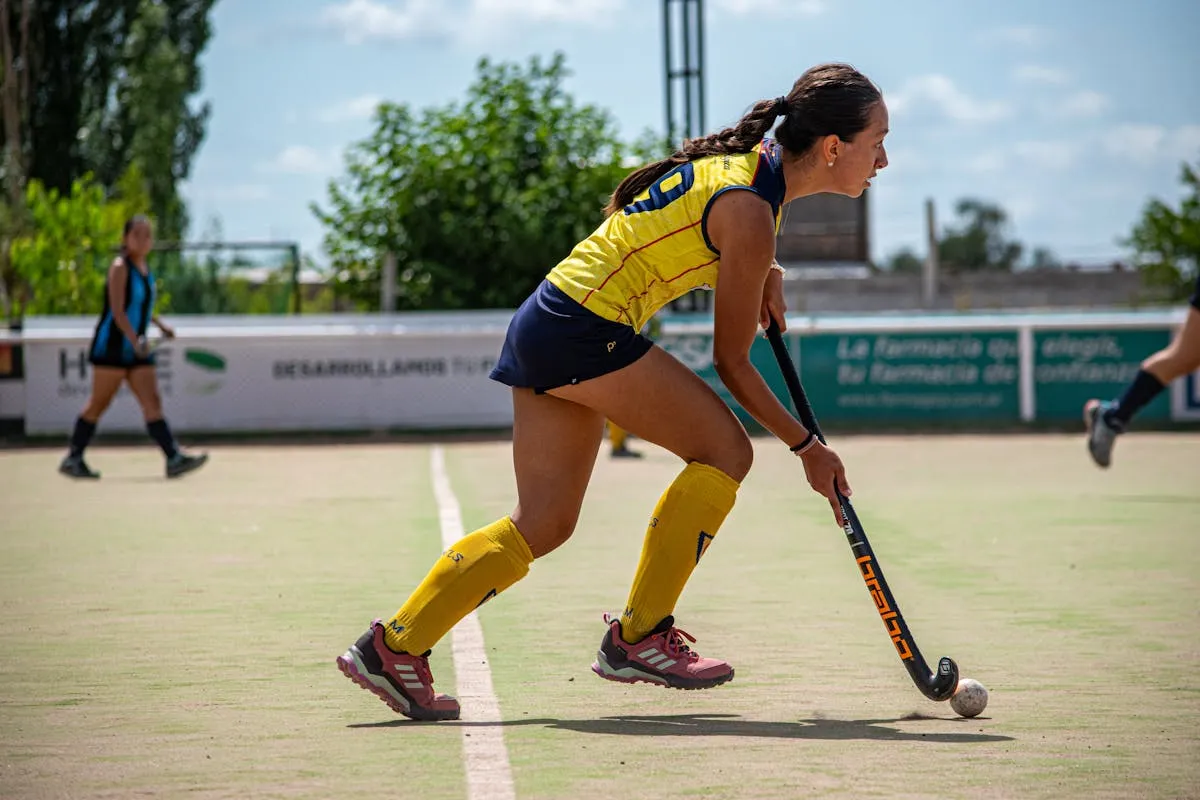
Female athlete playing field hockey
Sports & Recreation

Field Hockey Risk Assessment Template

The complete guide to creating professional risk assessments for field hockey clubs, schools, and recreational programmes.

Free to use Instant PDF download Updated February 2026

The essential guide to field hockey safety

Field hockey is one of the world's oldest team sports, combining speed, skill, and strategy. With players wielding sticks and a hard ball travelling at high speeds, proper safety management is essential for all participants.

A comprehensive risk assessment is crucial for any organisation running field hockey activities—from school PE lessons and junior clubs to competitive adult leagues. It ensures player safety, prevents injuries, and demonstrates your commitment to duty of care.

This guide covers everything you need to create a thorough field hockey risk assessment—from stick and ball hazards to pitch conditions, protective equipment requirements, and goalkeeper-specific safety considerations.

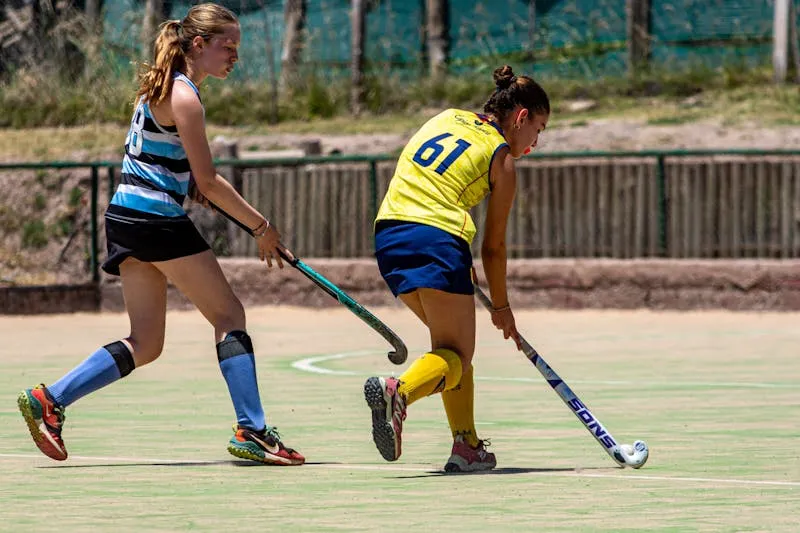
Female athlete playing field hockey
Sport & Fitness

Why field hockey is worth the investment

Understanding the benefits helps communicate value while creating a balanced risk assessment.

Cardiovascular Fitness

Excellent aerobic workout with constant movement, improving heart health and endurance.

Teamwork Skills

Develops communication, cooperation, and strategic thinking through team play.

Hand-Eye Coordination

Improves coordination and fine motor skills through stick handling and ball control.

Speed & Agility

Enhances quick direction changes, acceleration, and overall athletic agility.

Mental Sharpness

Requires quick decision-making and spatial awareness in fast-paced situations.

Flexibility & Balance

Develops core strength, balance, and flexibility through dynamic movements.

Who needs a field hockey risk assessment?

If you're organising any form of field hockey activity, you need a documented risk assessment:

Schools & Colleges

PE departments and school teams require risk assessments covering equipment, supervision, pitch conditions, and age-appropriate play.

Hockey Clubs

Affiliated clubs running training sessions and competitive matches need comprehensive safety documentation for all activities.

Community Programmes

Recreational programmes, holiday camps, and taster sessions need risk assessments appropriate to participant experience levels.

Universities & Adult Leagues

Higher education and adult recreational leagues require documented risk management for training and competition.

Hard ball, fast game

Field hockey balls are hard and can travel at significant speeds. Your risk assessment must specifically address ball impact risks and the mandatory use of protective equipment, particularly shin guards and mouthguards.

Key hazards & control measures

Field hockey has specific hazards that must be addressed in your risk assessment.

Ball Impact High Risk
Potential Harm

Bruising, fractures, dental injuries, eye injuries, concussion from ball strikes.

Control Measures
  • Mandatory mouthguards for all players
  • Enforce dangerous play rules
  • Full protective gear for goalkeepers
  • Clear hitting zones during practice
Player Collisions Medium Risk
Potential Harm

Concussions, joint injuries, soft tissue damage from player-to-player contact.

Control Measures
  • Enforce obstruction and contact rules
  • Adequate warm-up before play
  • Match players by ability level
  • Qualified umpires for competitive play
Slips & Falls Medium Risk
Potential Harm

Ankle sprains, knee injuries, wrist fractures, head injuries from falls.

Control Measures
  • Inspect pitch for hazards before play
  • Appropriate footwear for surface type
  • Postpone in dangerous weather conditions
  • Mandatory shin guards
Goal Frame Hazards Low Risk
Potential Harm

Impact injuries from running into goal frames or toppling goals.

Control Measures
  • Secure goals with weights or anchors
  • Inspect goal integrity before use
  • Backboard padding where appropriate
  • Clear communication around goal area
Weather Conditions Low Risk
Potential Harm

Heat illness, hypothermia, lightning strike, slippery surfaces.

Control Measures
  • Monitor weather forecasts
  • Lightning policy and shelter locations
  • Water breaks in hot conditions
  • Postpone in extreme conditions

This guide covers the most common hazards. Our risk assessment wizard includes 38 hazards and 140+ control measures for Field Hockey, sourced from industry guidance — create your assessment in minutes.

Protective equipment requirements

Proper protective equipment is essential for field hockey safety.

Mandatory Equipment (All Players)

  • Shin Guards: Must cover the shin from ankle to below the knee
  • Mouthguards: Properly fitted, ideally custom-made

Recommended Equipment

  • Gloves: Protect hands from stick and ball impacts
  • Face Masks: For defending penalty corners
  • Ankle Supports: For players with previous injuries

Equipment Standards

All protective equipment should meet current safety standards. Inspect equipment regularly and replace any items that are cracked, worn, or no longer fit properly.

No exceptions

Players should not be permitted to participate without mandatory protective equipment. This applies to training sessions as well as matches.

Goalkeeper safety

Goalkeepers face unique risks and require comprehensive protective equipment.

Required Goalkeeper Equipment

  • Helmet with Face Cage: Full head and face protection
  • Throat Protector: Attaches to helmet
  • Chest Protector: Full torso coverage
  • Padded Shorts: Hip and thigh protection
  • Leg Guards: Full leg coverage from ankle to thigh
  • Kickers: Over-shoe foot protection
  • Gloves: Left hand blocker, right hand glove

Additional Considerations

  • Heat management in full kit—allow rest breaks
  • Proper fitting to allow movement while maintaining protection
  • Regular equipment inspection for damage or wear
  • Goalkeeper-specific warm-up routines

Penalty corner safety

Penalty corners involve powerful shots at goal. Ensure goalkeepers are fully prepared and defenders consider face masks. Clear communication and set routines reduce risks during these high-pressure moments.

Pre-match checklist

Use this checklist before every field hockey session.

Equipment Checks

  • All players have shin guards
  • All players have mouthguards
  • Goalkeeper fully equipped
  • Sticks in good condition
  • Balls suitable and undamaged
  • Goals secured properly

Pitch Checks

  • Surface free of debris and hazards
  • Pitch markings visible
  • Goals in correct position
  • Run-off areas clear
  • Weather conditions assessed
  • Lighting adequate (evening games)

Safety Readiness

  • First aid kit accessible
  • First aider present
  • Emergency action plan known
  • Water available for players
  • Qualified umpires present
  • Emergency contacts accessible

Frequently asked questions

A field hockey risk assessment should cover: stick-related injuries, ball impact hazards, player collisions, pitch conditions and surface type, protective equipment requirements (especially for goalkeepers), goal safety, weather considerations, coaching qualifications, and emergency procedures.

All outfield players must wear shin guards and mouthguards. Goalkeepers require full protective equipment including helmet with face cage, throat protector, chest protector, padded shorts, leg guards, kickers, and appropriate gloves. Outfield defenders may wear face masks during penalty corners.

Common field hockey injuries include ankle sprains, knee ligament injuries (particularly ACL), hand and finger injuries from stick contact, facial injuries from ball or stick impact, lower back strain, and hamstring injuries. Most injuries can be prevented with proper protective equipment, warm-up, and technique.

Field hockey goals should be anchored securely using weights, ground pegs, or back stays appropriate to the surface type. Goals should never be moved with players nearby and must be inspected before each use for structural integrity. Portable goals require particular attention to stability.

Field hockey coaches should hold governing body recognised qualifications (minimum Level 1 for assistant coaching), current first aid certification, safeguarding training when working with young people, and appropriate background checks. Higher level qualifications are required for competitive coaching.

Create your field hockey risk assessment now

Use our free template builder to create a comprehensive, professional risk assessment for your field hockey activity in minutes.