Risk Assessment Wizard

Create clear, professional risk assessments in minutes. List hazards, set measures and assign responsibilities, then download a clean PDF branded with your organisation.

Get Started

  • Create a Risk Assessment
Indoor ball sport game action in gymnasium
Sports & Recreation

Dodgeball Risk Assessment Template

The complete guide to creating professional risk assessments for dodgeball leagues, schools, and recreational programmes.

Free to use Instant PDF download Updated February 2026

The essential guide to dodgeball safety

Dodgeball has evolved from a playground game to a recognised competitive sport with organised leagues worldwide. Its combination of throwing, catching, dodging, and strategic teamwork makes it an excellent activity for fitness and social engagement.

A comprehensive risk assessment is essential for any organisation running dodgeball activities—from school PE lessons and youth clubs to competitive adult leagues. It ensures participant safety, prevents injuries, and demonstrates your duty of care.

This guide covers everything you need to create a thorough dodgeball risk assessment—from ball selection and impact hazards to court safety, collision prevention, and age-appropriate rule modifications.

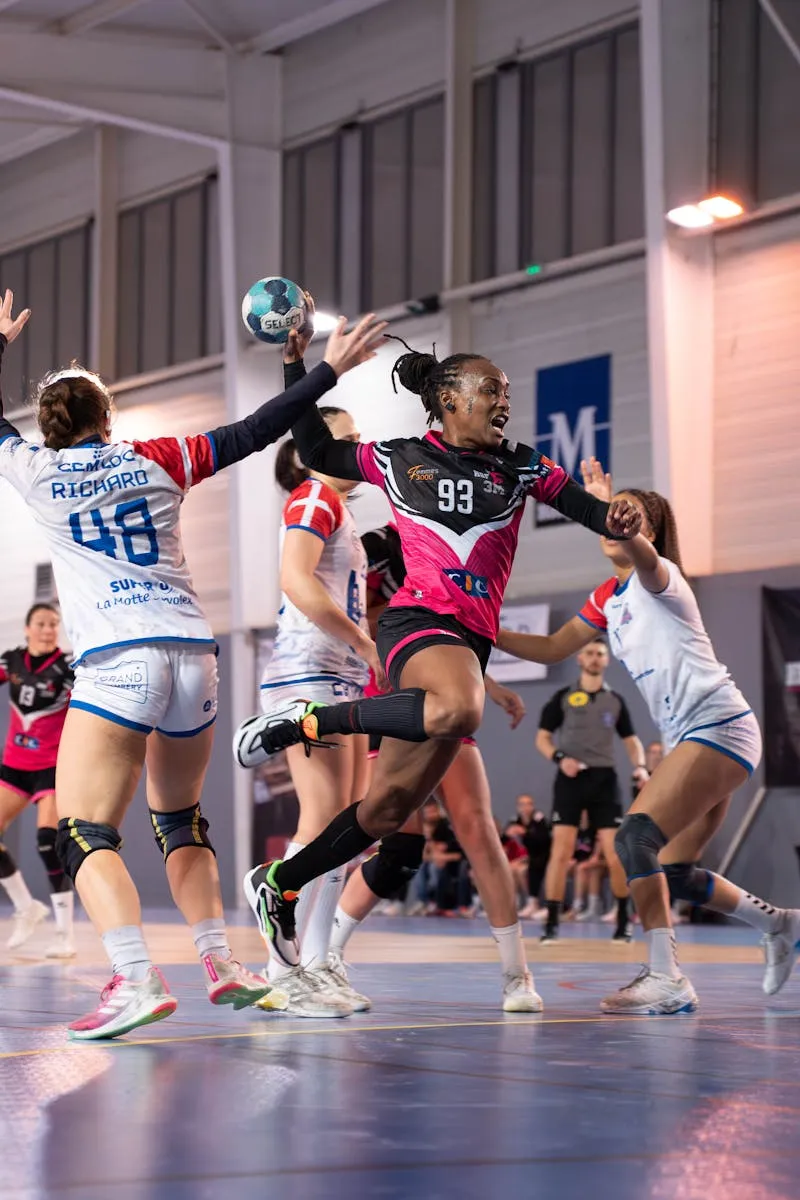
Players in action during indoor ball game
Sport & Fitness

Why dodgeball is worth the investment

Understanding the benefits helps communicate value while creating a balanced risk assessment.

Agility & Speed

Develops quick reflexes, lateral movement, and rapid direction changes essential for dodging and catching.

Hand-Eye Coordination

Improves throwing accuracy, catching ability, and overall coordination through dynamic ball handling.

Teamwork

Builds cooperation, communication, and strategic team play in fast-paced competitive situations.

Cardiovascular Fitness

High-intensity activity that improves heart health, stamina, and overall physical conditioning.

Quick Decision Making

Develops rapid situational awareness and split-second decision making under pressure.

Fun & Inclusive

Accessible to various skill levels with simple rules, making it enjoyable for beginners and experts alike.

Who needs a dodgeball risk assessment?

If you're organising any form of dodgeball activity, you need a documented risk assessment:

Schools & Colleges

PE departments and extracurricular clubs running dodgeball sessions need risk assessments covering equipment, supervision, and age-appropriate rules.

Dodgeball Leagues & Clubs

Organised competitive leagues require comprehensive assessments covering match play, training sessions, and tournament events.

Youth Organisations

Scout groups, holiday clubs, and youth centres offering dodgeball activities need documented safety procedures.

Corporate & Social Events

Companies and event organisers running dodgeball as team building or social activities must assess and manage risks.

Age-appropriate adaptations

The risk profile of dodgeball varies significantly based on participant age and the type of balls used. Youth activities with foam balls have different risks than adult leagues with rubber-coated balls.

Key hazards & control measures

Dodgeball has specific hazards that must be addressed in your risk assessment.

Player Collisions Medium Risk
Potential Harm

Collisions between players, falls, head injuries, joint injuries.

Control Measures
  • Ensure adequate court space for player numbers
  • Encourage spatial awareness and communication
  • Enforce boundary rules
  • Limit player numbers per team if necessary
Slips & Falls Medium Risk
Potential Harm

Ankle sprains, wrist fractures, knee injuries, head injuries from falls.

Control Measures
  • Ensure floor surface is clean and dry
  • Require appropriate footwear
  • Clear court of loose balls promptly
  • Adequate warm-up before play
Court Boundary Hazards Low Risk
Potential Harm

Impact with walls, equipment, or spectators when moving backwards.

Control Measures
  • Maintain clear run-off areas beyond boundaries
  • Pad walls if court is close to walls
  • Keep spectators at safe distance
  • Remove obstacles from surrounding area
Overexertion Low Risk
Potential Harm

Muscle strains, exhaustion, dehydration, heat-related illness.

Control Measures
  • Implement regular water breaks
  • Encourage appropriate warm-up and cool-down
  • Monitor players for signs of fatigue
  • Allow rest periods between games
Eye Injuries Low Risk
Potential Harm

Eye impact from ball, scratched corneas, glasses breakage.

Control Measures
  • Enforce strict no-headshot policy
  • Recommend sports eyewear for spectacle wearers
  • Use soft foam balls for youth activities
  • Consider protective eyewear for high-level play

This guide covers the most common hazards. Our risk assessment wizard includes 34 hazards and 118+ control measures for Dodgeball, sourced from industry guidance — create your assessment in minutes.

Ball & court safety

Equipment selection and court setup are critical for dodgeball safety.

Ball Selection

Choose balls appropriate for your participants:

  • Youth (under 12): Soft foam balls only, 6-7 inch diameter
  • Teenagers: Foam-coated or cloth-covered balls
  • Adults: Regulation rubber-core foam-coated balls

Never use hard rubber balls. Inspect all balls before each session and remove any that are worn, damaged, or too hard.

Court Requirements

Standard dodgeball courts should be approximately 60ft x 30ft for adult play, with smaller dimensions for youth. Ensure:

  • Clear run-off area of at least 3 metres beyond boundaries
  • Non-slip floor surface
  • Adequate ceiling height (minimum 4 metres)
  • Good lighting without glare
  • Walls padded if within close proximity

Ball maintenance

Regularly wash cloth-covered balls to maintain hygiene. Store balls deflated when not in use to preserve their condition. Replace balls showing signs of cracking, hardening, or uneven surfaces.

Youth modifications

Dodgeball for children requires specific adaptations to ensure safety and enjoyment.

Rule Modifications

  • Headshots: Any ball hitting the head is "safe" (thrower is out, target stays in)
  • Throwing: Underarm throwing only for youngest age groups
  • Catching: Consider allowing trapped catches against body
  • Elimination: "Jail" variants allow quick re-entry to keep everyone active

Equipment Modifications

  • Smaller, lighter balls (6 inch soft foam)
  • Reduced court size
  • Fewer balls in play at once
  • Consider coloured bibs for team identification

Supervision Ratios

Recommended minimum ratios:

  • Under 8s: 1 adult to 8 children
  • 8-12 years: 1 adult to 10 children
  • 12-16 years: 1 adult to 15 participants

Mixed age/ability games

Avoid mixing significantly different ages or abilities in the same game. Size and strength differences create increased injury risk. If necessary, implement handicap rules like dominant hand restrictions.

Pre-game checklist

Use this checklist before every dodgeball session to ensure safety.

Equipment Checks

  • Balls inspected for damage
  • Balls appropriate for age group
  • Correct number of balls for game type
  • Bibs/team identification ready
  • Whistle or signalling device available
  • Spare balls available

Court Checks

  • Floor clean, dry, and obstacle-free
  • Boundaries clearly marked
  • Run-off areas clear
  • Walls padded if necessary
  • Lighting adequate
  • Spectator area separated

Participant Checks

  • Appropriate footwear worn
  • No jewellery or dangerous items
  • Rules explained clearly
  • Warm-up completed
  • Water available
  • First aid accessible

Frequently asked questions

A dodgeball risk assessment should cover: ball impact hazards, collision between players, court boundaries and surfaces, appropriate ball types for age groups, supervision requirements, rules enforcement (especially headshots), warm-up procedures, and emergency first aid provisions. Include specific modifications for youth participants.

Dodgeball can be safe for children when properly organised with appropriate modifications. Use soft foam balls, enforce strict no-headshot rules (headshots make the thrower out), reduce court sizes, ensure adequate supervision, and avoid mixing significantly different ages or abilities. With these controls, dodgeball develops coordination and teamwork safely.

For safety, use foam-coated or cloth-covered balls appropriate for the age group. Youth players should use soft foam balls (6-7 inch). Adult leagues typically use regulation rubber-core foam-coated balls. Never use hard rubber balls. All balls should be regularly inspected for damage, hardening, or uneven surfaces and replaced when worn.

Standard adult dodgeball uses 6 players per team on court. Youth games often use smaller teams of 4-5 players. The key safety factor is ensuring adequate space per player—adjust team sizes based on court dimensions. Overcrowded courts increase collision risk significantly.

Most dodgeball rule sets prohibit deliberate headshots. If a headshot occurs, common rules make the thrower out while the person hit stays in. For youth games, any headshot (intentional or not) should result in the thrower being out. Always check on any player hit in the head and assess for signs of concussion before allowing continued play.

Create your dodgeball risk assessment now

Use our free template builder to create a comprehensive, professional risk assessment for your dodgeball activity in minutes.