
Risk Assessment Wizard

Create clear, professional risk assessments in minutes. List hazards, set measures and assign responsibilities, then download a clean PDF branded with your organisation.

Get Started

  • Create a Risk Assessment
CrossFit athlete preparing for barbell lift
Sports & Recreation

CrossFit Risk Assessment Template

The complete guide to creating professional risk assessments for CrossFit boxes, functional fitness gyms, and HIIT training programs.

Free to use Instant PDF download Updated February 2026

The essential guide to CrossFit safety

CrossFit combines Olympic weightlifting, gymnastics, and high-intensity cardiovascular training into constantly varied functional movements performed at high intensity. This unique combination creates specific safety considerations.

A comprehensive risk assessment is essential for any CrossFit box, functional fitness gym, or HIIT program. It demonstrates your commitment to member safety, helps prevent injuries, and ensures compliance with health and safety legislation.

This guide covers everything you need to create a thorough CrossFit risk assessment—from lifting technique hazards to gymnastics movements, facility safety, and the critical importance of proper scaling.

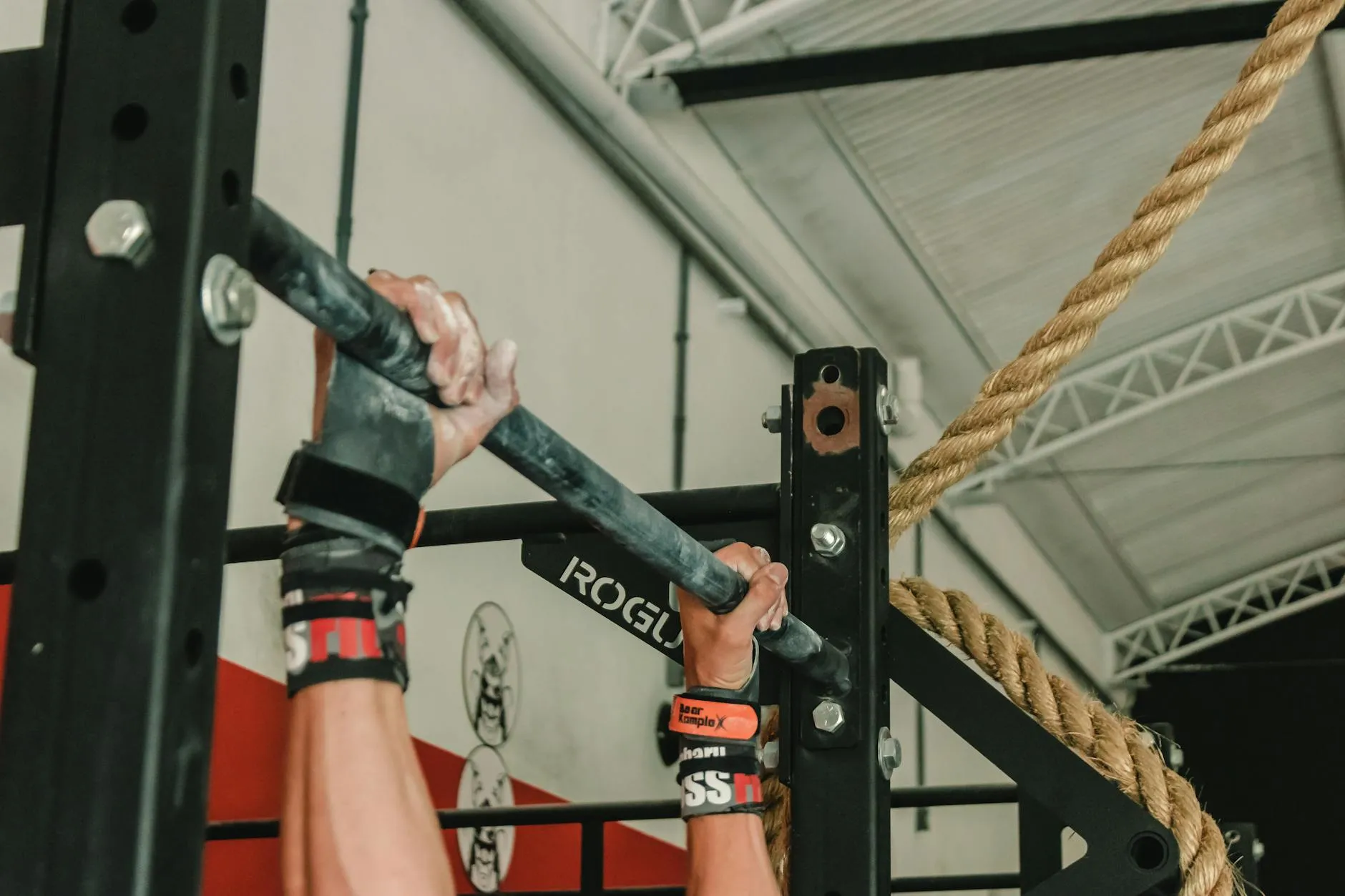
CrossFit athlete on pull-up bar
Sport & Fitness

Why CrossFit is worth the investment

Understanding the benefits helps communicate value while creating a balanced risk assessment.

Overall Fitness

Enhances overall physical fitness and endurance through varied high-intensity workouts.

Strength & Power

Improves muscular strength and power with functional movements and resistance training.

Mental Toughness

Develops mental toughness and resilience required for challenging workout routines.

Cardiovascular Health

Boosts cardiovascular health and stamina through sustained active participation.

Flexibility & Mobility

Increases flexibility and mobility with dynamic exercises and stretching.

Body Composition

Supports weight management and body composition goals through comprehensive training.

Who needs a CrossFit risk assessment?

If you're providing CrossFit or functional fitness training, you need a documented risk assessment:

CrossFit Affiliates (Boxes)

Licensed CrossFit affiliates require comprehensive risk assessments covering all workout types, equipment, and facility areas.

Functional Fitness Gyms

Non-affiliated gyms offering similar high-intensity functional training need equivalent safety documentation.

CrossFit Coaches

Individual coaches providing CrossFit-style training should have risk assessments for their sessions.

Corporate & Group Programs

Organizations offering CrossFit-style corporate fitness require documented risk management.

High-intensity considerations

CrossFit's high-intensity nature and complex movements create specific risks. Proper scaling, technique coaching, and recognizing when to stop are critical safety elements that must be addressed in your risk assessment.

Key hazards & control measures

CrossFit combines multiple disciplines, each with specific hazards.

Dropping Weights High Risk
Potential Harm

Bruises, fractures, head injuries from dropped barbells or dumbbells.

Control Measures
  • Use bumper plates and proper flooring
  • Train safe dropping techniques
  • Clear areas around lifting zones
  • Supervise to intervene if needed
Explosive Movements Medium Risk
Potential Harm

Muscle strains, joint injuries, loss of control.

Control Measures
  • Train proper execution technique
  • Use controlled environments with padding
  • Supervise explosive movements closely
  • Limit frequency and intensity
High Repetitions Medium Risk
Potential Harm

Muscle fatigue, overuse injuries, joint pain, rhabdomyolysis.

Control Measures
  • Monitor intensity and duration
  • Encourage proper hydration
  • Educate on fatigue signs
  • Implement appropriate scaling
Falls During Complex Movements Medium Risk
Potential Harm

Falls, muscle strains, joint injuries from gymnastics elements.

Control Measures
  • Provide proper technique training
  • Use mats and padding
  • Supervise complex movements
  • Progress skills appropriately
Lack of Warm-Up Medium Risk
Potential Harm

Muscle strains, sprains, injuries from insufficient preparation.

Control Measures
  • Implement mandatory warm-up routines
  • Include dynamic stretching
  • Encourage cool-down sessions
  • Educate on injury prevention
Heat & Dehydration Medium Risk
Potential Harm

Heat exhaustion, dehydration, heatstroke.

Control Measures
  • Provide hydration stations
  • Schedule around peak heat
  • Educate on heat management
  • Encourage moisture-wicking attire
Wet Floors Medium Risk
Potential Harm

Slips, trips, falls from sweat or water on floors.

Control Measures
  • Regularly inspect and dry floors
  • Use non-slip flooring materials
  • Provide towels for equipment
  • Educate on safe movement

This guide covers the most common hazards. Our risk assessment wizard includes 33 hazards and 134+ control measures for CrossFit, sourced from industry guidance — create your assessment in minutes.

Equipment safety requirements

CrossFit uses diverse equipment requiring regular inspection:

Weightlifting Equipment

  • Barbells in good condition
  • Bumper plates for Olympic lifts
  • Kettlebells without damage
  • Dumbbells secure and marked
  • Collars available and used

Gymnastics Equipment

  • Pull-up bars secure and stable
  • Rings properly hung and maintained
  • Boxes without damage or splinters
  • Ropes securely mounted
  • Mats available for protection

Cardio & Other

  • Rowers functioning correctly
  • Bikes maintained
  • Jump ropes in good condition
  • Medicine balls without damage

Pre-session checklist

Equipment

  • Barbells/plates inspected
  • Pull-up bars secure
  • Boxes undamaged

Facility

  • Floors dry and clean
  • Adequate spacing
  • First aid accessible

Session

  • Qualified coach present
  • Scaling options prepared
  • Warm-up planned

Frequently asked questions

A CrossFit risk assessment should cover: high-intensity workout hazards, Olympic lifting technique, gymnastics movements, equipment safety, facility conditions (flooring, spacing, ventilation), coaching requirements, scaling protocols, and rhabdomyolysis awareness.

Common injuries include shoulder injuries (from overhead movements and kipping), lower back strains (from deadlifts and cleans), wrist issues, and knee problems. Most result from poor technique, excessive volume, or inadequate recovery. Proper coaching and scaling significantly reduce these risks.

Rhabdomyolysis is a serious condition where muscle tissue breaks down and releases proteins into the bloodstream, potentially causing kidney damage. It can occur with extreme exertion, especially in deconditioned individuals doing high-volume workouts. Coaches should know the warning signs and ensure appropriate workout scaling.

Ready to create your CrossFit risk assessment?

Use our free tool to generate a professional, comprehensive risk assessment for CrossFit and functional fitness activities.