Risk Assessment Wizard

Create clear, professional risk assessments in minutes. List hazards, set measures and assign responsibilities, then download a clean PDF branded with your organisation.

Get Started

  • Create a Risk Assessment
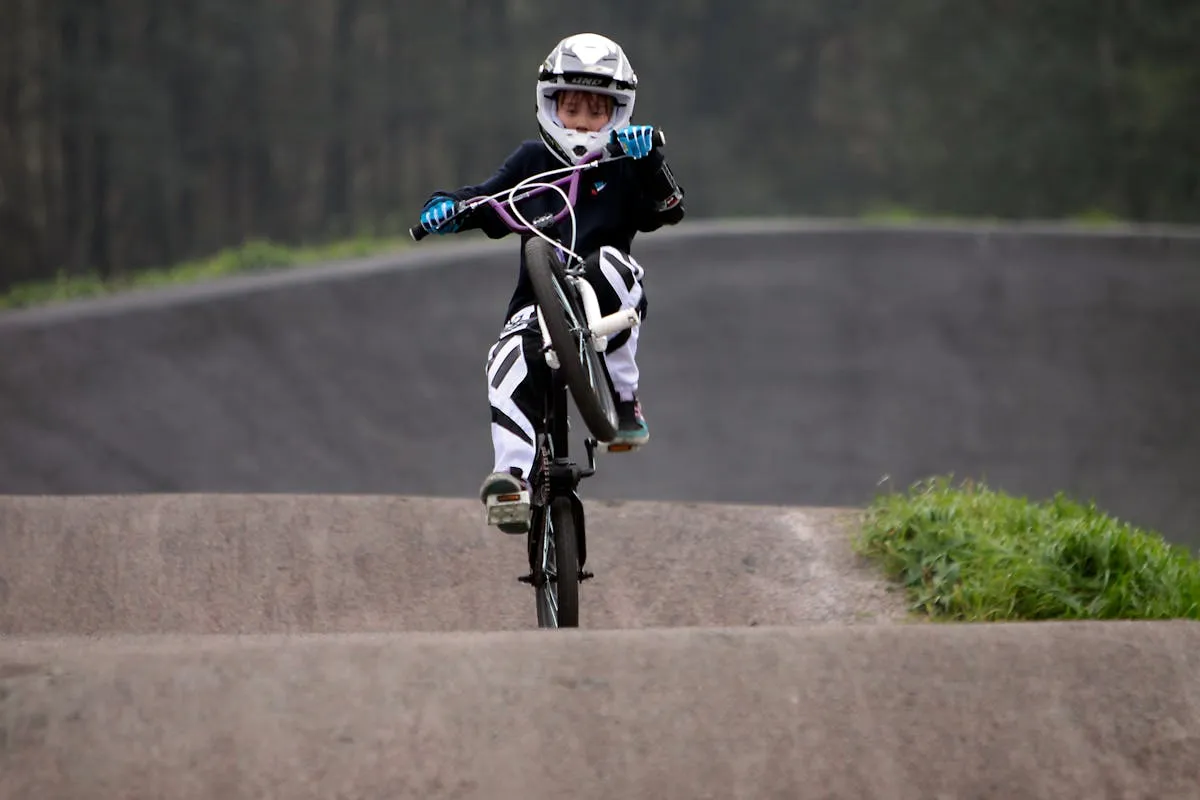
BMX rider racing on outdoor track
Sports & Recreation

BMX Racing Risk Assessment Template

The complete guide to creating professional risk assessments for BMX tracks, clubs, and racing programmes.

Free to use Instant PDF download Updated February 2026

The essential guide to BMX racing safety

BMX racing combines speed, skill, and adrenaline as riders compete on purpose-built tracks featuring jumps, berms, and challenging obstacles. This Olympic sport attracts participants from young children to elite athletes.

A comprehensive risk assessment is essential for any organisation running BMX activities—from club training sessions and regional races to national championships. It ensures rider safety, prevents injuries, and demonstrates your commitment to duty of care.

This guide covers everything you need to create a thorough BMX racing risk assessment—from track hazards and protective equipment requirements to starting gate safety, collision prevention, and emergency procedures.

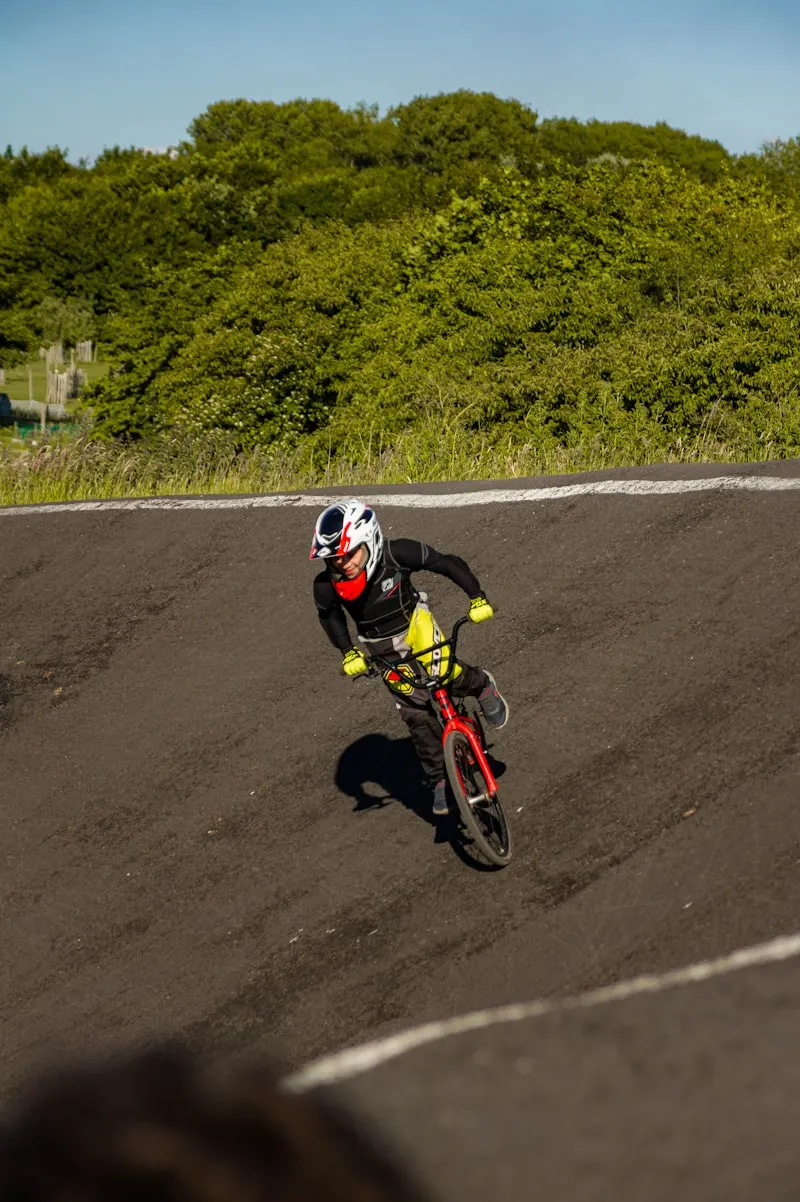
Young BMX rider on track
Sport & Fitness

Why BMX racing is worth the investment

Understanding the benefits helps communicate value while creating a balanced risk assessment.

Cardiovascular Fitness

High-intensity racing develops excellent cardiovascular endurance and anaerobic capacity.

Balance & Coordination

Develops exceptional balance, bike handling skills, and body coordination.

Strength & Power

Builds explosive leg power and core strength essential for racing performance.

Quick Decision Making

Develops rapid situational awareness and split-second decision making at speed.

Community

Strong club culture with family-friendly environment and supportive community.

Competitive Pathway

Clear progression from local racing through regional, national, and international levels.

Who needs a BMX racing risk assessment?

If you're organising any form of BMX racing activity, you need a documented risk assessment:

BMX Clubs

Clubs running training sessions and club races need comprehensive risk assessments covering all track activities.

Track Operators

Purpose-built BMX tracks require assessments covering facility management, public sessions, and event hosting.

Event Organisers

Regional and national race organisers need detailed event-specific risk assessments.

Schools & Youth Groups

Organisations offering BMX taster sessions or development programmes need appropriate assessments.

High-speed racing

BMX racing involves speeds up to 60km/h with multiple riders competing simultaneously. Your risk assessment must specifically address collision risks, track surface conditions, and the importance of age/ability groupings.

Key hazards & control measures

BMX racing has specific hazards that must be addressed.

Rider Collisions High Risk
Potential Harm

Multiple injuries from contact between riders racing in close proximity.

Control Measures
  • Enforce racing rules and penalties
  • Limit riders per moto appropriately
  • Match ability levels in races
  • Qualified officials monitoring
Starting Gate Medium Risk
Potential Harm

Injuries from gate mechanism, poor starts, or first corner pile-ups.

Control Measures
  • Regular gate maintenance and testing
  • Clear starting procedures
  • Practice starts for novices
  • Gate operator training
Track Conditions Medium Risk
Potential Harm

Crashes from loose surface, ruts, damaged features, or wet conditions.

Control Measures
  • Pre-session track inspection
  • Regular maintenance schedule
  • Watering in dry conditions
  • Cancel in dangerous weather
Mechanical Failure Medium Risk
Potential Harm

Crashes from brake failure, chain snap, wheel issues at speed.

Control Measures
  • Pre-race bike checks required
  • Scrutineering for events
  • BMX-specific bikes only (no pegs)
  • Regular maintenance education
Weather Conditions Low Risk
Potential Harm

Slippery track in rain, heat illness, reduced visibility.

Control Measures
  • Monitor weather conditions
  • Postpone in heavy rain/lightning
  • Hydration breaks in heat
  • Adjust track prep for conditions

This guide covers the most common hazards. Our risk assessment wizard includes 35 hazards and 68+ control measures for BMX Racing, sourced from industry guidance — create your assessment in minutes.

Protective equipment requirements

BMX racing requires comprehensive protective equipment.

Mandatory Equipment

  • Full-Face Helmet: Must meet safety standards (Snell, CPSC, or equivalent)
  • Long Sleeves: Arms fully covered (jersey or jacket)
  • Long Trousers: Legs fully covered (race pants or jeans)
  • Gloves: Full-finger gloves required
  • Enclosed Shoes: Must cover entire foot

Strongly Recommended

  • Knee Pads: Protect knees in crashes
  • Elbow Pads: Protect elbows from impact
  • Body Armour: Chest and back protection
  • Neck Brace: Reduces cervical spine injuries

Helmet inspection

Helmets must be free from damage and properly fitted. Replace any helmet that has been involved in a crash, even if no visible damage is apparent. Most tracks conduct helmet checks before racing.

Track safety

Track condition and design are critical for BMX racing safety.

Track Inspection

  • Check all jumps and berms for damage before sessions
  • Fill any ruts or holes in landing areas
  • Ensure run-off areas are clear
  • Verify fence line integrity
  • Check starting gate mechanism

Track Features

  • Jumps appropriate for rider ability levels
  • Smooth transitions between features
  • Adequate berm heights and banking
  • Clear sight lines throughout
  • Appropriate track width for racing

Perimeter Safety

  • Secure fencing around entire track
  • Designated spectator areas
  • Clear separation from track
  • Controlled access points

Track maintenance

Regular track maintenance is essential for safety. Establish maintenance schedules and document all work completed. After heavy rain or extended dry periods, additional preparation may be required before racing.

Pre-race checklist

Use this checklist before every BMX session.

Track Checks

  • Track surface inspected
  • Jumps and berms in good condition
  • Starting gate tested
  • Run-off areas clear
  • Fencing secure
  • Weather conditions assessed

Rider Checks

  • Full-face helmet worn and fitted
  • Full protective equipment worn
  • Bike pre-checked (brakes, wheels)
  • Race licence valid (if required)
  • Appropriate group/category
  • No loose clothing or jewelry

Safety Readiness

  • First aid kit accessible
  • First aider present
  • Emergency procedures known
  • Officials briefed
  • Communication system ready
  • Emergency access clear

Frequently asked questions

A BMX racing risk assessment should cover: track hazards and maintenance requirements, protective equipment standards, rider competency and appropriate age/ability groupings, starting gate safety, collision risks during racing, mechanical failure prevention, weather conditions, and emergency procedures for track incidents.

Essential BMX racing equipment includes: full-face helmet meeting safety standards, long sleeves covering arms, long trousers covering legs, full-finger gloves, and enclosed shoes. Most tracks also require or strongly recommend knee pads, elbow pads, and body armour for additional protection.

Common BMX racing injuries include: fractures (collarbone, wrist, ankle being most common), concussions from falls, abrasions from track surface contact, and ligament sprains. Proper protective equipment, track maintenance, appropriate ability groupings, and skills progression significantly reduce injury risk.

Children can start BMX racing from around age 4-5 at most clubs, using appropriately sized bikes and tracks with smaller features. Racing is organised by age categories to ensure fair competition and appropriate challenge levels. Beginner sessions focus on skills before progression to racing.

BMX tracks should be visually inspected before every session or race day. More thorough inspections should occur weekly, with professional inspections annually or as required for competition licensing. Document all inspections and maintenance work completed.

Create your BMX racing risk assessment now

Use our free template builder to create a comprehensive, professional risk assessment for your BMX programme in minutes.