
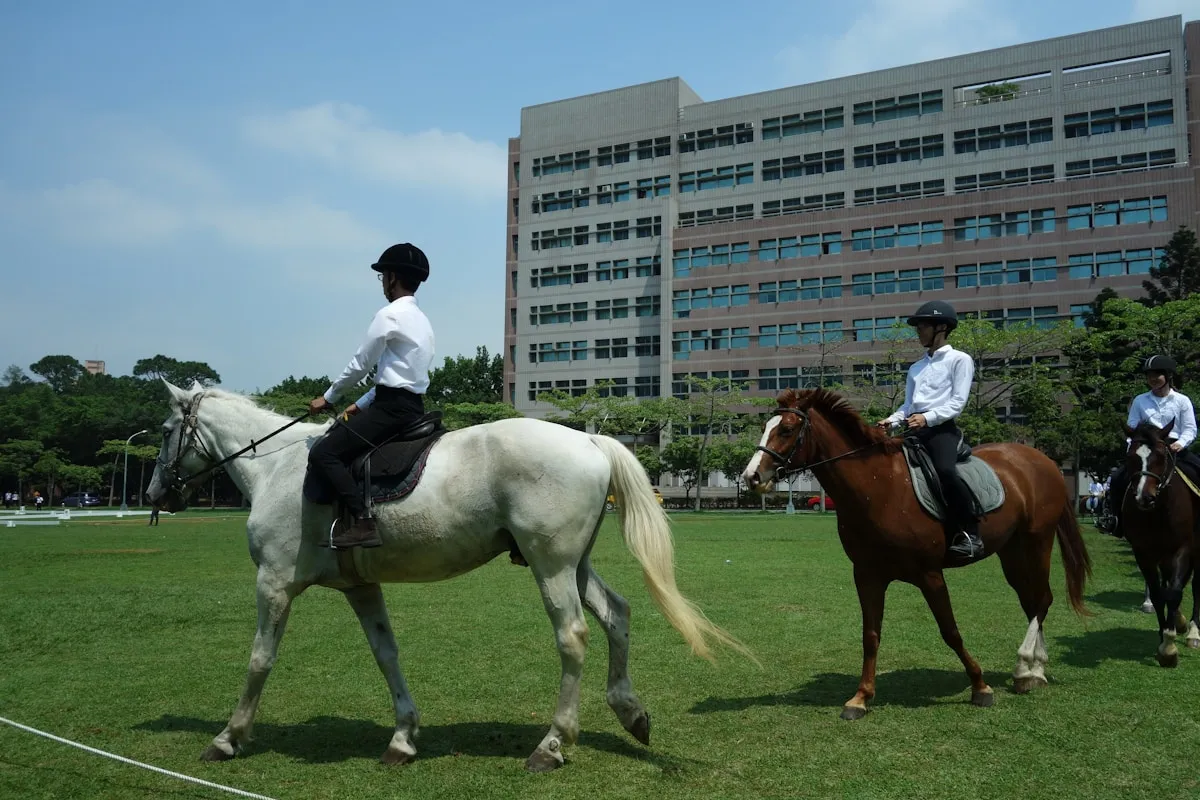
Youth Group
Horseback Riding Risk Assessment Template
The complete guide to creating professional risk assessments for youth horseback riding, pony trekking, and equestrian activities.
Free to use
Instant PDF download
Updated February 2026
The essential guide to youth horseback riding safety
Horseback riding offers young people a unique connection with animals while developing confidence, responsibility, and physical coordination. Working with horses requires comprehensive safety planning to manage the inherent risks while maximizing the therapeutic and developmental benefits.
This guide covers everything you need to create a thorough risk assessment—from rider-horse matching and protective equipment to mounting procedures, trail safety, and emergency response protocols.
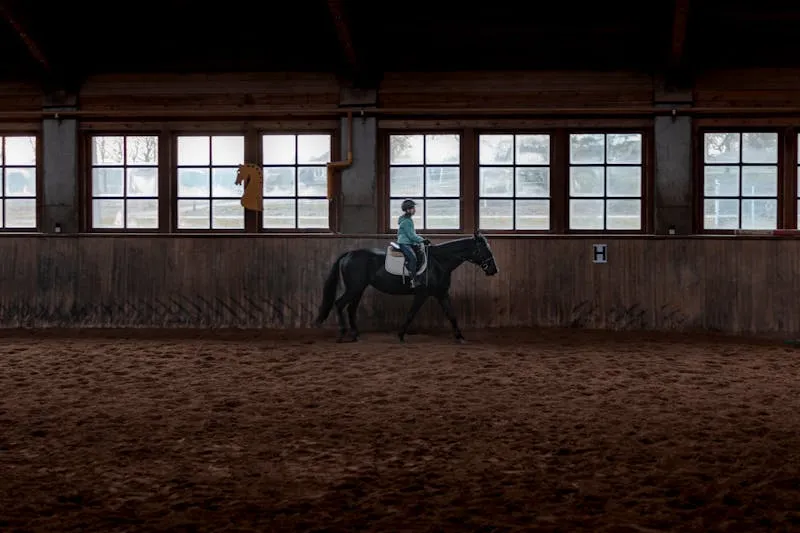
Youth Activity
Activity Benefits
Why horseback riding matters
Physical Fitness
Promotes physical fitness and coordination through riding activities.
Responsibility
Enhances responsibility and care through horse grooming and maintenance.
Empathy
Fosters empathy and compassion through interaction with animals.
Confidence
Builds confidence and self-esteem through mastering riding skills.
Patience
Encourages patience and perseverance in training and riding.
Therapeutic Benefits
Provides therapeutic benefits through the bond between rider and horse.
Risk Identification
Key hazards & control measures
Falls & Horse BehaviorHigh Risk
Potential Harm
Falls from horse causing head injuries, fractures, spinal injuries; horse bolting, spooking, kicking or biting.
Control Measures
- Helmets worn by all riders
- Suitable horse-rider matching
- Emergency dismount training
- Experienced instructor supervision
Tack & EquipmentHigh Risk
Potential Harm
Equipment failure causing falls, stirrup entrapment during falls, loose girth causing saddle slip.
Control Measures
- Tack checked before each ride
- Stirrup size appropriate for rider
- Girth tightened correctly
- Regular maintenance schedule
Trail & EnvironmentMedium Risk
Potential Harm
Slippery surfaces causing horse falls, uneven terrain, obstacles on trails, traffic on roads, wildlife spooking horses.
Control Measures
- Route assessed beforehand
- Avoid riding in poor conditions
- High-vis worn on roads
- Lead and tail riders assigned
Mounting & HandlingMedium Risk
Potential Harm
Falls during mounting/dismounting, back injuries, being stepped on, kicked during grooming.
Control Measures
- Mounting blocks used
- Safe handling techniques taught
- Appropriate footwear required
- Horses held during mounting
This guide covers the most common hazards. Our risk assessment wizard includes 48 hazards and 121+ control measures for Horseback Riding, sourced from industry guidance — create your assessment in minutes.
Safety Checklist
Horseback riding checklist
Pre-Session
- Experience levels assessed
- Consent and health info collected
- Horse-rider matching done
- Weather conditions checked
Equipment
- Helmets fitted correctly
- Appropriate footwear checked
- Tack inspected
- Body protectors available
Horses
- Horses health checked
- Saddles fitted correctly
- Girths tightened
- Suitable horses selected
Safety Briefing
- Mounting procedure explained
- Emergency stop taught
- Riding area rules given
- First aid kit accessible
Create your horseback riding risk assessment now
Use our free template builder to create a comprehensive risk assessment in minutes.