

Youth Group
First Aid Training Risk Assessment Template
The complete guide to creating professional risk assessments for youth first aid training, CPR sessions, and emergency response education.
Free to use
Instant PDF download
Updated February 2026
The essential guide to youth first aid training safety
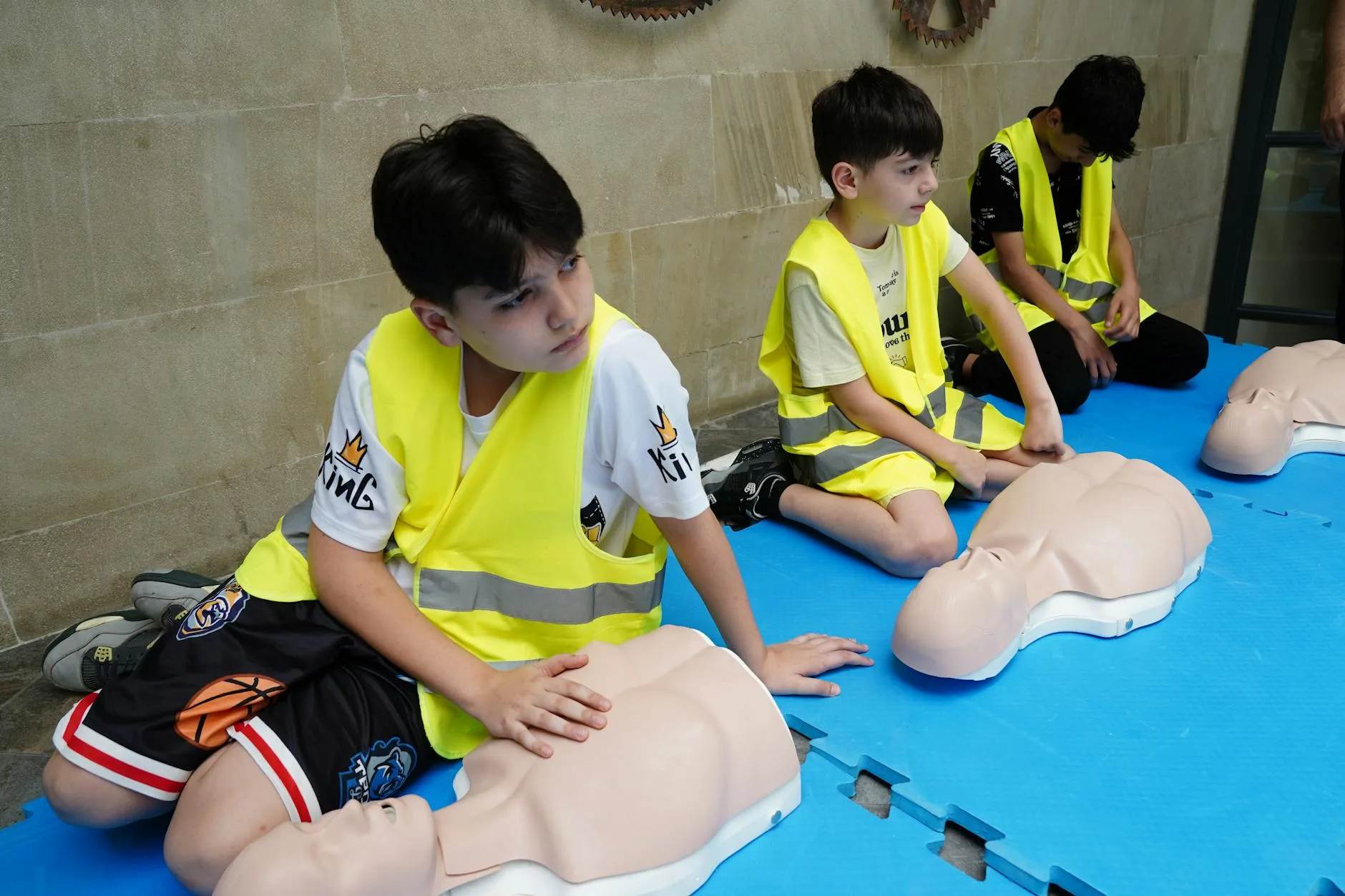
First aid training empowers young people with life-saving skills and the confidence to respond in emergencies. These practical sessions require careful management to ensure safe learning while building genuine competence.
This guide covers everything you need to create a thorough risk assessment—from training space requirements and equipment hygiene to emotional support considerations, correct technique demonstration, and real emergency procedures.
Youth Activity
Activity Benefits
Why first aid training matters
Life-Saving Skills
Provides essential life-saving skills and knowledge.
Confidence
Enhances confidence in handling emergency situations.
Safety Awareness
Promotes safety awareness and preparedness among participants.
Responsibility
Fosters responsibility and the willingness to help others.
Decision Making
Develops quick decision-making and critical thinking skills.
Teamwork
Encourages teamwork and effective communication during emergencies.
Risk Identification
Key hazards & control measures
Physical Practice InjuriesHigh Risk
Potential Harm
Strains from CPR practice, knee discomfort from kneeling, incorrect technique causing injury during recovery position practice.
Control Measures
- Proper technique demonstrated first
- Knee pads available for CPR practice
- Regular breaks during sessions
- Instructor supervision at all times
Hygiene & Cross-ContaminationMedium Risk
Potential Harm
Spread of infections through shared manikins, allergic reactions to latex materials, contamination during mouth-to-mouth practice.
Control Measures
- Individual face shields provided
- Manikins sanitized between users
- Latex-free options available
- Hand sanitizer provided
Emotional DistressMedium Risk
Potential Harm
Anxiety from emergency scenarios, emotional overwhelm, panic attacks, previous trauma triggered by realistic situations.
Control Measures
- Age-appropriate scenarios used
- Opt-out option available
- Quiet space for breaks
- Debrief after scenarios
Equipment & SpaceLow Risk
Potential Harm
Tripping over equipment, inadequate space for practical exercises, malfunctioning training AEDs.
Control Measures
- Adequate space per participant
- Equipment checked before session
- Clear walkways maintained
- Equipment stored safely
This guide covers the most common hazards. Our risk assessment wizard includes 32 hazards and 70+ control measures for First Aid Training, sourced from industry guidance — create your assessment in minutes.
Safety Checklist
First aid training checklist
Pre-Session
- Instructor qualifications verified
- Participant health info collected
- Space adequate for group size
- Emergency contacts available
Equipment
- Manikins sanitized
- Face shields stocked
- Training AED checked
- Bandages and slings ready
Hygiene
- Hand sanitizer available
- Wipes for equipment
- Latex-free options ready
- Waste disposal arranged
Wellbeing
- Quiet area identified
- Water available
- Breaks scheduled
- Support person available
Create your first aid training risk assessment now
Use our free template builder to create a comprehensive risk assessment in minutes.