
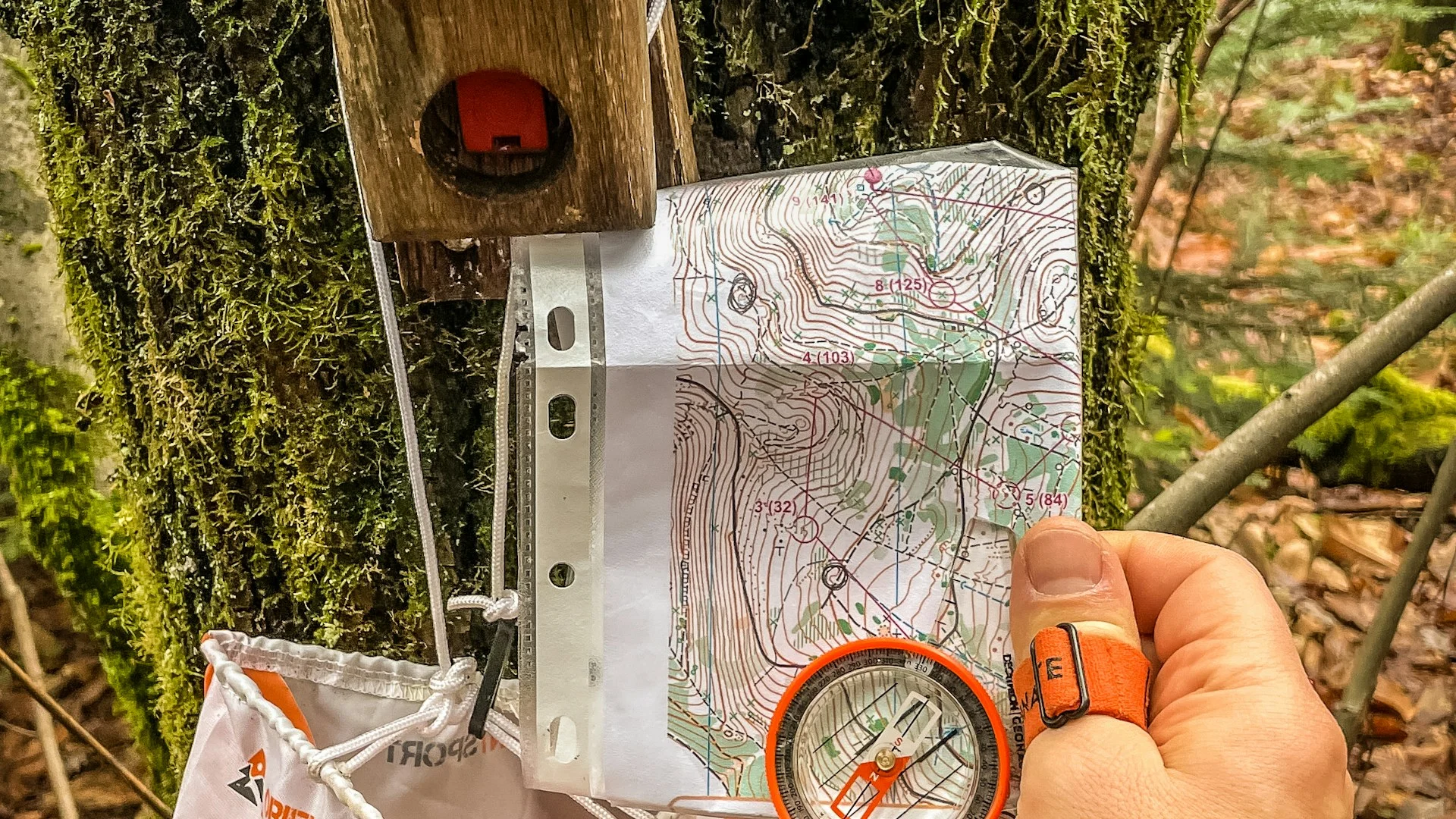
Youth Group
Geocaching Risk Assessment Template
The complete guide to creating professional risk assessments for youth geocaching activities, GPS treasure hunts, and outdoor navigation adventures.
Free to use
Instant PDF download
Updated February 2026
The essential guide to youth geocaching safety
Geocaching combines technology with outdoor exploration, offering young people an engaging way to discover new places while developing navigation and problem-solving skills. This modern treasure hunt requires careful planning to manage outdoor hazards while maximizing the adventure.
This guide covers everything you need to create a thorough risk assessment—from terrain and weather considerations to group management, road safety, stranger awareness, and emergency communication procedures.
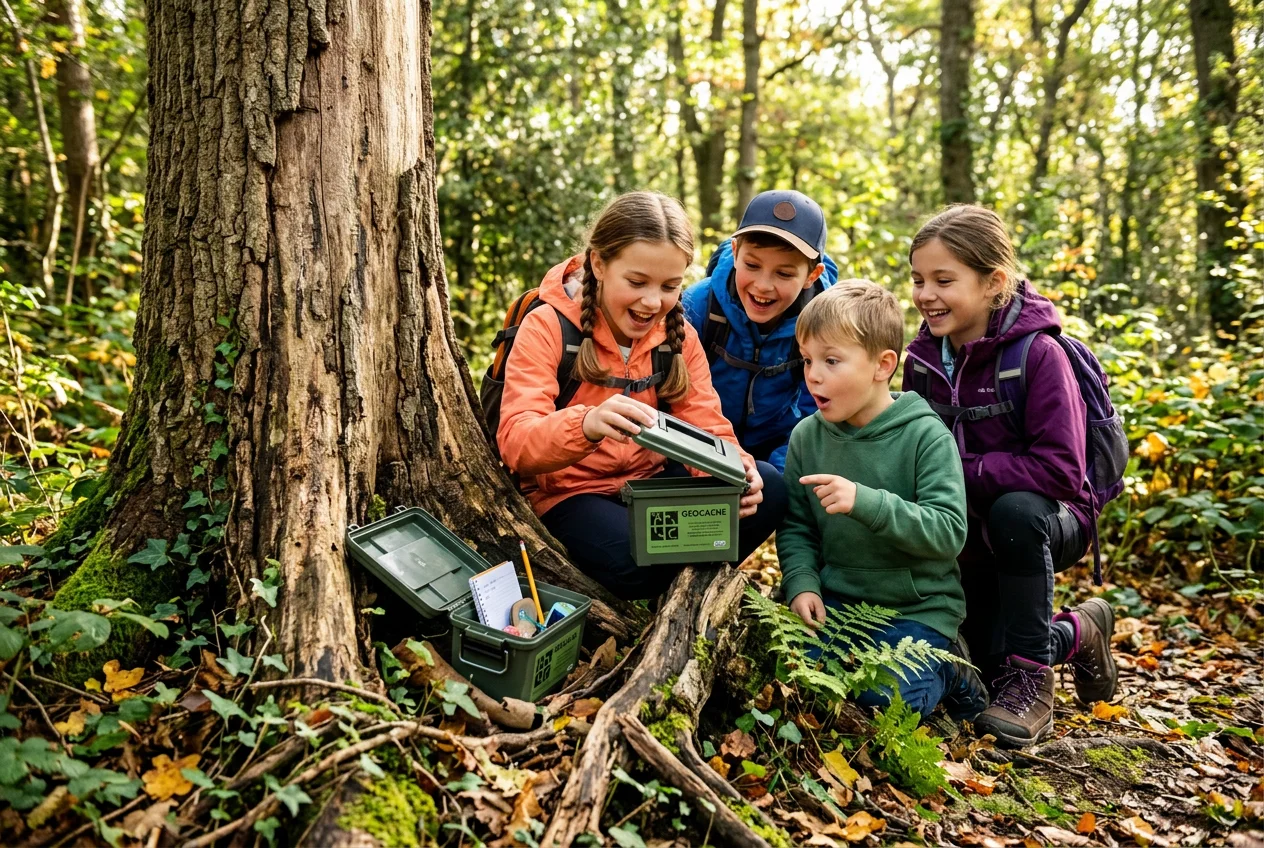
Youth Activity
Activity Benefits
Why geocaching matters
Navigation Skills
Develops GPS and map reading abilities through practical application.
Problem Solving
Enhances critical thinking through cache puzzles and clues.
Outdoor Exercise
Encourages physical activity while exploring new environments.
Teamwork
Builds collaboration as groups work together to find caches.
Achievement
Provides sense of accomplishment through successful finds.
Environmental Awareness
Fosters appreciation for local areas and natural spaces.
Risk Identification
Key hazards & control measures
Terrain & NavigationHigh Risk
Potential Harm
Slips, trips, and falls on rough terrain; getting lost; group separation; injuries from steep or hazardous cache locations.
Control Measures
- Pre-check all cache locations
- Avoid caches in unsafe areas
- Buddy system for all participants
- Clear meeting points established
Weather & EnvironmentHigh Risk
Potential Harm
Heat exhaustion, hypothermia, sunburn, dehydration, insect stings, allergic reactions to plants.
Control Measures
- Weather checked before departure
- Appropriate clothing required
- Water and snacks carried
- Allergy information collected
Road SafetyHigh Risk
Potential Harm
Vehicle collisions at road crossings, pedestrian accidents, distraction from GPS devices while near traffic.
Control Measures
- Route avoids busy roads
- Supervised road crossings
- High-vis worn near roads
- GPS checked before crossings
Stranger AwarenessMedium Risk
Potential Harm
Unwanted attention from strangers, safeguarding concerns on public trails, separation from group.
Control Measures
- Group stays together
- Stranger danger briefing given
- Adults positioned around group
- Emergency phone carried
This guide covers the most common hazards. Our risk assessment wizard includes 41 hazards and 92+ control measures for Geocaching, sourced from industry guidance — create your assessment in minutes.
Safety Checklist
Geocaching checklist
Pre-Activity
- Route recced and caches checked
- Weather forecast reviewed
- Consent and health info gathered
- Supervision ratios confirmed
Equipment
- GPS devices charged
- Emergency phone charged
- First aid kit packed
- Water and snacks ready
Group Safety
- Safety briefing given
- Buddy pairs assigned
- Meeting points explained
- Emergency procedure shared
On Route
- Regular headcounts done
- Hydration breaks taken
- Terrain difficulties managed
- Return time monitored
Create your geocaching risk assessment now
Use our free template builder to create a comprehensive risk assessment in minutes.