
Scouting & Guiding
Orienteering & Navigation Risk Assessment Template
The complete guide to creating professional risk assessments for orienteering and navigation activities.
Free to use Instant PDF download Updated February 2026
The essential guide to orienteering safety
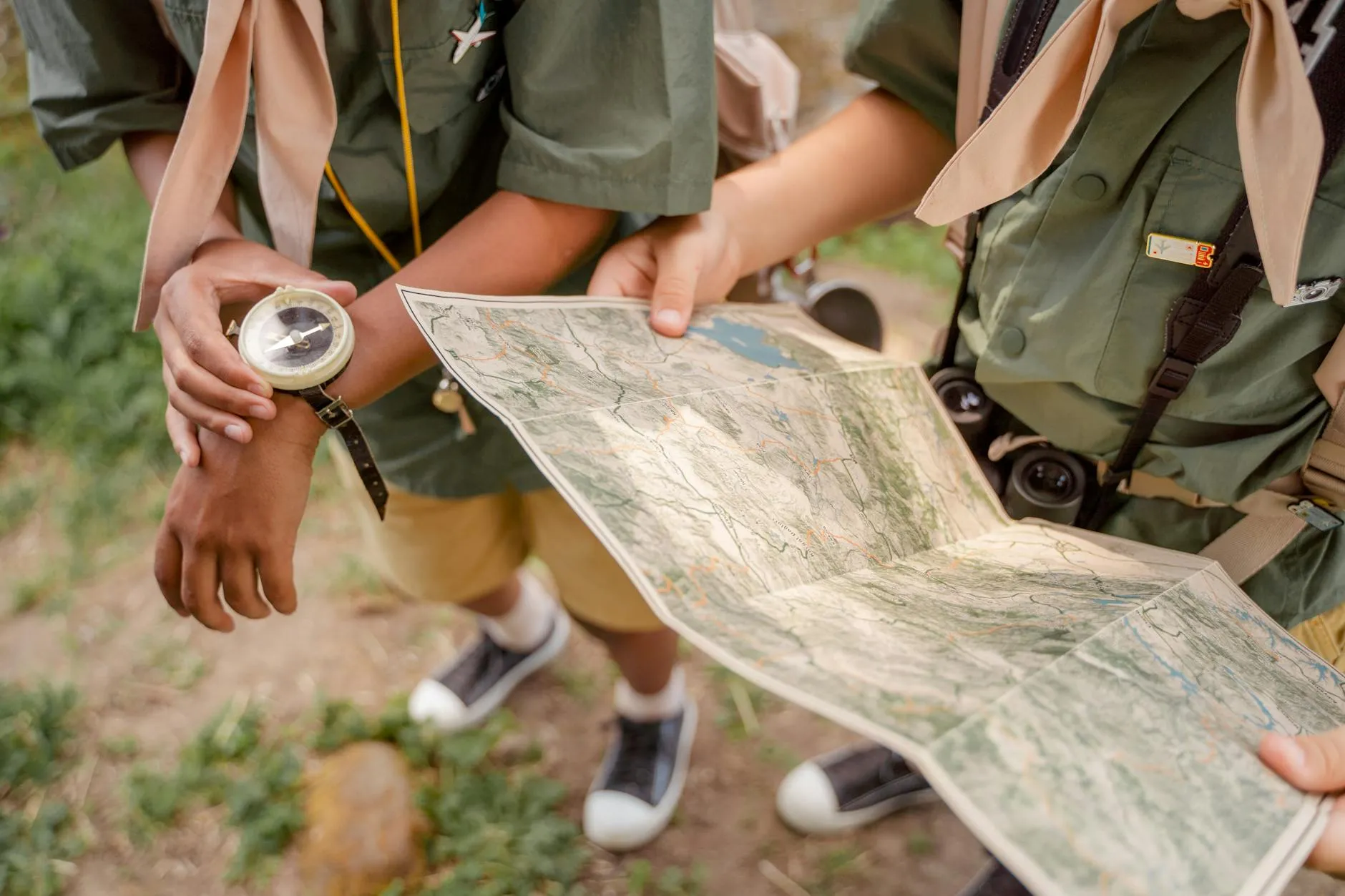
Orienteering combines physical activity with mental challenges, teaching participants to navigate using maps and compasses. From beginner courses to competitive events, these activities develop critical thinking and outdoor confidence.
This guide covers everything you need to create a thorough orienteering risk assessment—from course planning and missing person procedures to terrain hazards and weather management.
Scouting Activity
Scouting Activity
Activity Benefits
Why orienteering matters for young people
Problem-Solving
Strengthens problem-solving and critical thinking through route planning.
Self-Confidence
Promotes self-confidence and independence through navigational competence.
Spatial Awareness
Enhances spatial awareness and understanding of map and compass use.
Fitness
Improves fitness and endurance through physical and mental challenges.
Risk Identification
Key hazards & control measures
Missing ParticipantHigh Risk
Potential Harm
Lost participant, delayed search response, panic, extended exposure to elements.
Control Measures
- Clear registration and finish procedures
- Set maximum course times
- Buddy system for beginners
- Search procedure ready to activate
Terrain HazardsMedium Risk
Potential Harm
Falls, sprains, cuts from uneven ground, vegetation, fences, and water features.
Control Measures
- Pre-check course for hazards
- Mark dangerous areas as out-of-bounds
- Brief participants on terrain types
- Ensure appropriate footwear worn
Weather ExposureMedium Risk
Potential Harm
Hypothermia, dehydration, heatstroke from exposure during courses.
Control Measures
- Monitor weather forecasts
- Ensure appropriate clothing worn
- Provide shelter at start/finish
- Shorten or cancel in severe weather
Road & TrafficMedium Risk
Potential Harm
Collisions with vehicles, serious injury from crossing roads during courses.
Control Measures
- Avoid courses crossing busy roads
- Mark safe crossing points
- Brief participants on road safety
- Use marshals at crossing points
This guide covers the most common hazards. Our risk assessment wizard includes 24 hazards and 61+ control measures for Orienteering & Navigation, sourced from industry guidance — create your assessment in minutes.
Safety Checklist
Orienteering safety checklist
Course Setup
- Course checked for hazards
- Controls in place
- Out-of-bounds marked
- Maps printed and ready
Registration
- All participants registered
- Start times recorded
- Maximum times set
- Emergency contacts collected
Safety Brief
- Course boundaries explained
- Safety bearing given
- Whistle protocol explained
- Finish procedure clear
Emergency
- First aid kit at finish
- Search team identified
- Communications checked
- All finishers accounted for
Ready to create your orienteering risk assessment?
Use our step-by-step wizard to generate a professional risk assessment in minutes.