

Outdoor Adventure
Tree Climbing Risk Assessment Template
The complete guide to creating professional risk assessments for tree climbing activities and instruction.
Free to use
Instant PDF download
Updated February 2026
The essential guide to tree climbing safety
Tree climbing offers a unique way to explore the natural environment from a different perspective. Whether running recreational sessions or using climbing as part of outdoor education, proper safety systems are essential.
This guide covers everything you need to create a thorough tree climbing risk assessment—from tree and branch assessment to equipment inspection, belaying procedures, and emergency rescue.
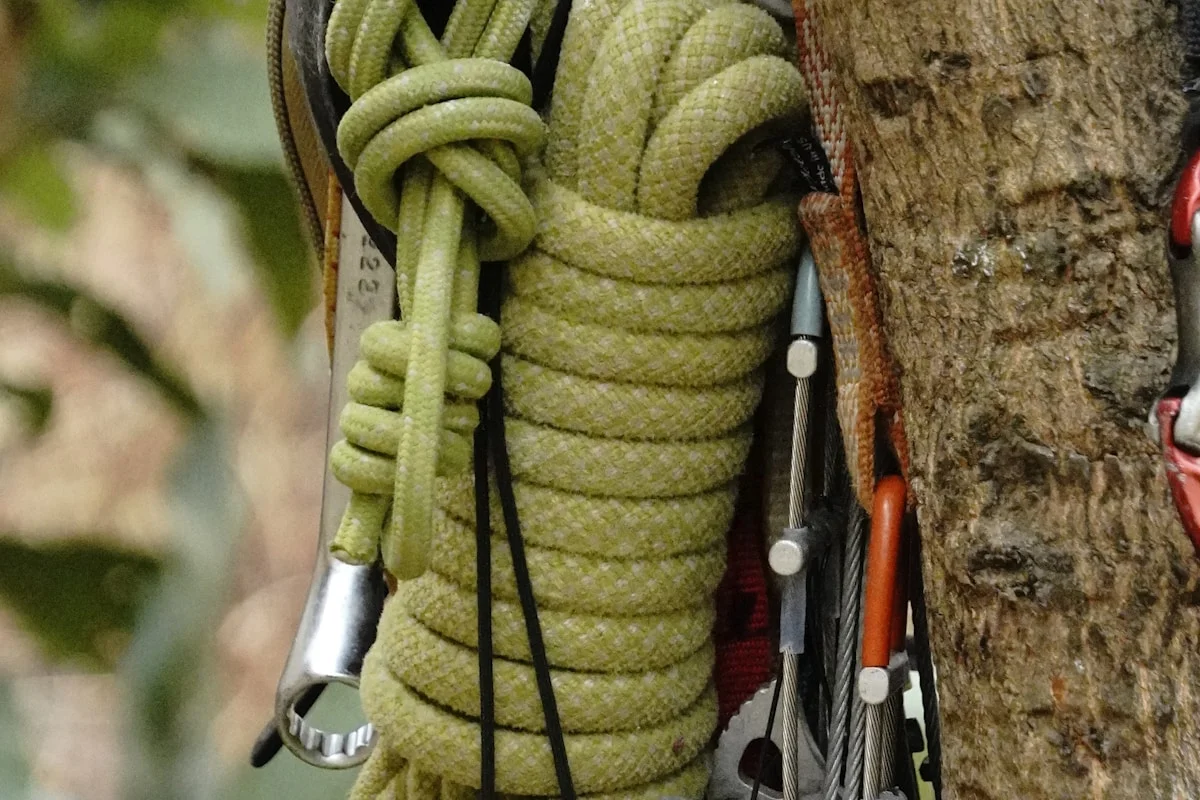
Outdoor Activity
Activity Benefits
Why tree climbing is worth the investment
Upper Body Strength
Builds upper body and core strength through climbing and supporting body weight while maneuvering through tree branches.
Balance & Coordination
Enhances balance and coordination by requiring precise movements and stability while ascending and navigating trees.
Problem-Solving
Improves mental focus and problem-solving by planning and executing climbing routes and overcoming obstacles.
Confidence Building
Promotes confidence and overcoming fears by challenging individuals to climb to heights and manage their apprehensions.
Risk Identification
Key hazards & control measures
Falls from HeightHigh Risk
Potential Harm
Serious injury, head injury, fractures from falling from trees.
Control Measures
- Climbing systems used with appropriate harnesses
- Helmets mandatory for all participants
- Qualified belayers supervising all climbs
- Ground zone clear of hazards below climbing area
Branch FailureHigh Risk
Potential Harm
Falls, broken bones, concussions from weak or dead branches breaking.
Control Measures
- Tree inspection by qualified assessor
- Dead and weak branches removed
- Regular re-inspection schedule
- Anchor points selected on sound limbs only
Equipment FailureHigh Risk
Potential Harm
Falls, serious injuries, fractures from rope or harness failure.
Control Measures
- Equipment inspection before each use
- Equipment log and retirement schedule
- Correct equipment selection for activity
- Damaged equipment removed immediately
Wildlife HazardsMedium Risk
Potential Harm
Bites, stings, allergic reactions from insects, birds, or other wildlife in trees.
Control Measures
- Tree inspection for nests and hives
- Participant briefing on wildlife
- First aid kit with allergy treatment
- Long sleeves recommended
This guide covers the most common hazards. Our risk assessment wizard includes 42 hazards and 100+ control measures for Tree Climbing, sourced from industry guidance — create your assessment in minutes.
Safety Checklist
Pre-session checklist
Trees
- Tree health assessed
- Dead branches removed
- Anchor points confirmed sound
- Wildlife hazards checked
Equipment
- Ropes inspected
- Harnesses checked
- Helmets available
- Hardware in good condition
Participants
- Safety briefing completed
- Harnesses fitted correctly
- Helmets worn
- Appropriate clothing
Conditions
- Weather suitable
- Ground zone clear
- First aid accessible
- Emergency plan in place
Create your tree climbing risk assessment now
Use our free template builder to create a comprehensive risk assessment in minutes.