
Outdoor Adventure
Indoor Climbing Wall Risk Assessment Template
The complete guide to creating professional risk assessments for indoor climbing walls and artificial climbing structures.
Free to use
Instant PDF download
Updated February 2026
The essential guide to indoor climbing wall safety
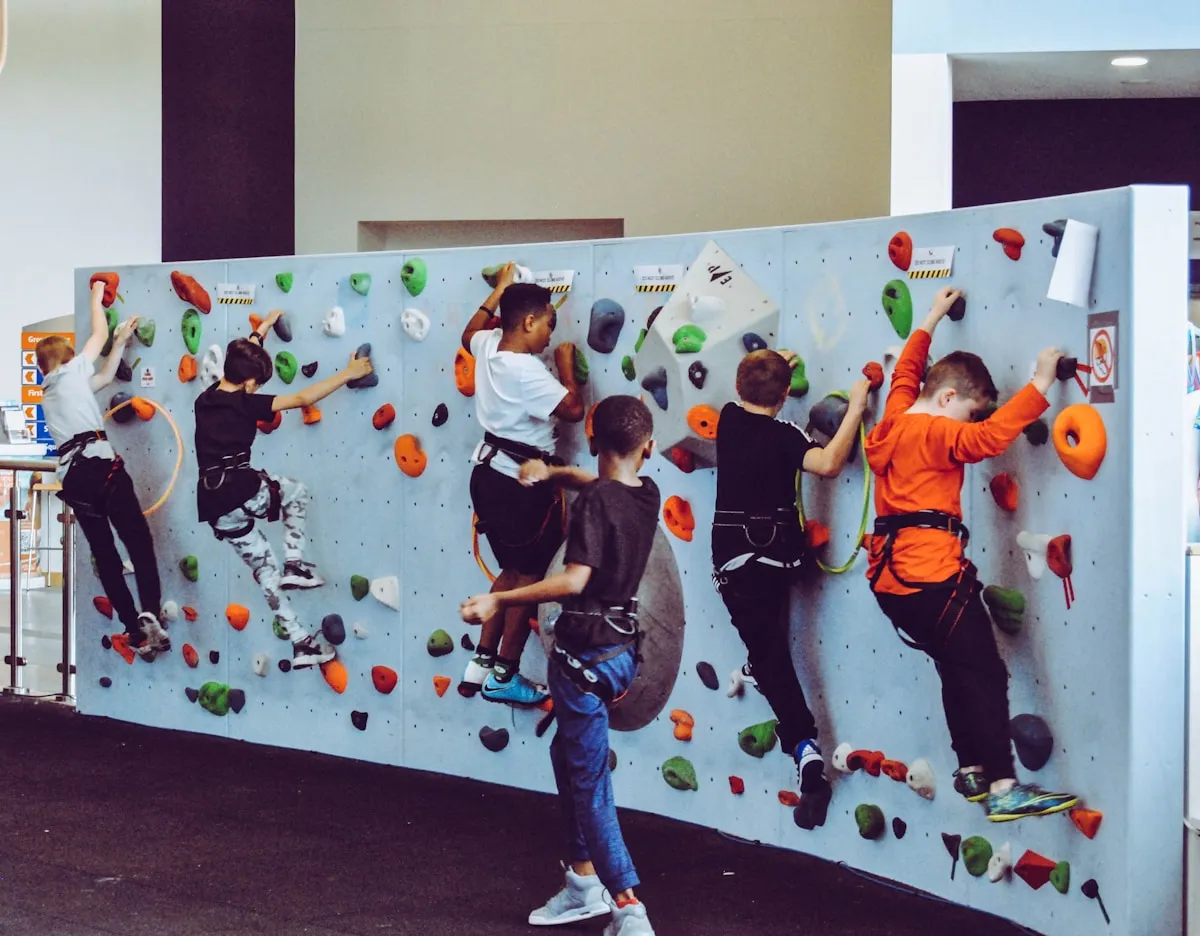
Indoor climbing walls provide a controlled environment for learning and practising climbing skills. From bouldering areas to top-rope and lead climbing walls, proper safety management is essential for protecting participants and staff.
This guide covers everything you need to create a thorough indoor climbing wall risk assessment—from belaying procedures and equipment inspection to facility maintenance, supervision ratios, and emergency procedures.
Outdoor Activity
Activity Benefits
Why indoor climbing is worth the investment
Muscular Strength
Develops muscular strength and endurance through repetitive climbing motions and holding various positions on the wall.
Problem-Solving
Enhances problem-solving and strategic planning by requiring climbers to choose optimal routes and techniques.
Balance & Coordination
Improves balance and coordination, enabling climbers to move efficiently and maintain stability on different holds.
Confidence Building
Boosts confidence and mental resilience by overcoming fears and achieving climbing goals in a controlled environment.
Risk Identification
Key hazards & control measures
Falling from HeightHigh Risk
Potential Harm
Injury, fractures, panic from falls during climbing or belaying errors.
Control Measures
- Mandatory safety briefing for all climbers
- Competency checks before unsupervised climbing
- Staff supervision of belaying activities
- Correct harness fitting verified before climbing
Equipment FailureHigh Risk
Potential Harm
Severe injury or death from rope, harness, or hardware failure.
Control Measures
- Daily equipment inspection routine
- Equipment log and retirement schedule
- Immediate removal of damaged equipment
- Regular auto-belay servicing and testing
Improper Belay TechniqueHigh Risk
Potential Harm
Finger injuries, rope burns, fast descent, dropped climber from belaying errors.
Control Measures
- Belay training and competency assessment
- Supervision of novice belayers
- Clear communication protocols
- Buddy checks before climbing
OvercrowdingMedium Risk
Potential Harm
Collisions between climbers, trips over ropes, reduced supervision effectiveness.
Control Measures
- Maximum capacity limits enforced
- Separate zones for different activities
- Clear traffic flow around climbing areas
- Adequate staffing for participant numbers
This guide covers the most common hazards. Our risk assessment wizard includes 46 hazards and 123+ control measures for Rock Climbing (Indoor), sourced from industry guidance — create your assessment in minutes.
Safety Checklist
Pre-session checklist
Facility
- Wall inspected for damage
- Holds checked and secure
- Matting in good condition
- Auto-belays tested
Equipment
- Ropes inspected
- Harnesses checked
- Helmets available (if required)
- Belay devices functioning
Participants
- Registration completed
- Safety briefing given
- Competency assessed
- Appropriate clothing worn
Supervision
- Qualified staff on duty
- Staff-to-participant ratio met
- First aider present
- Emergency procedures known
Create your indoor climbing wall risk assessment now
Use our free template builder to create a comprehensive risk assessment in minutes.