

Landscaping & Tree Work
Hedge Cutting & Trimming Risk Assessment Template
The complete guide to managing safety risks in professional hedge cutting operations.
Free to use Instant PDF download Updated February 2026
Safe practices for hedge trimming
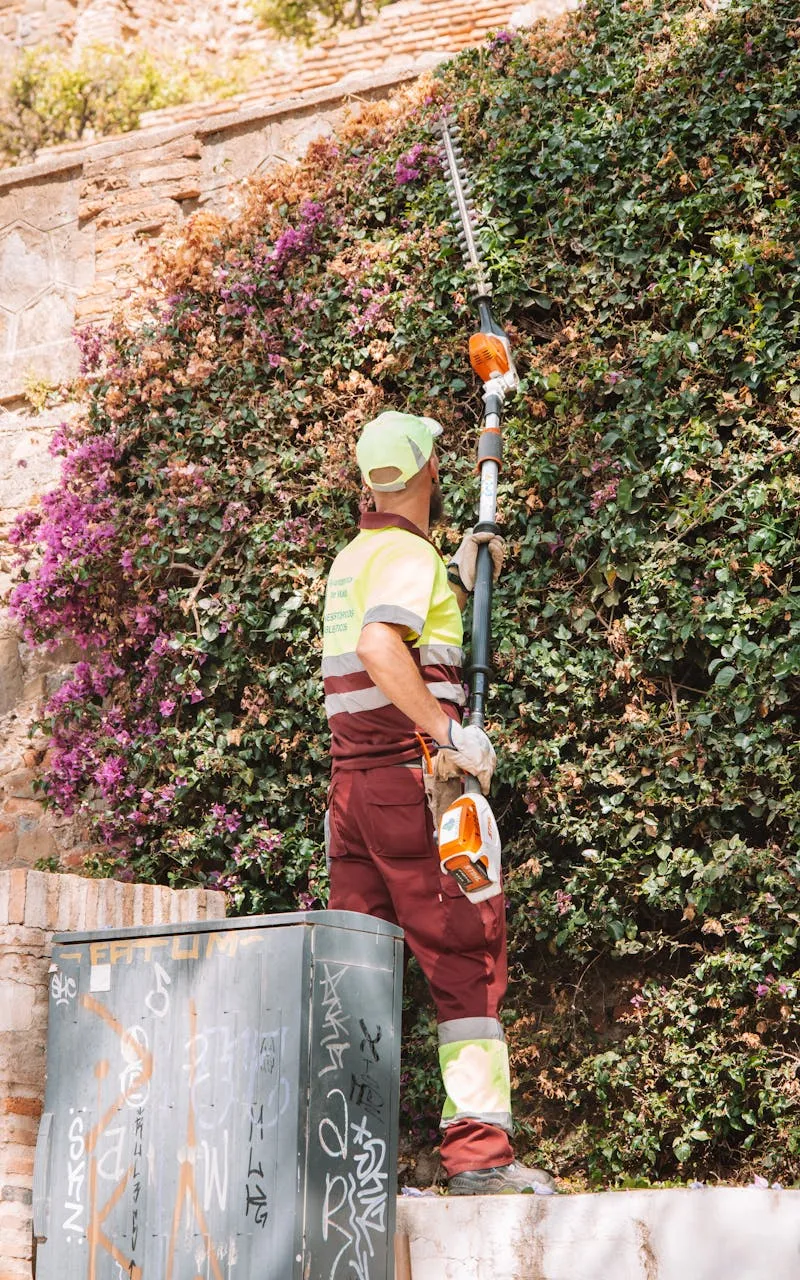
Hedge cutting involves powerful reciprocating blades, overhead work, and often requires ladders or platforms. Operators face risks from cuts, falls, noise exposure, and contact with hidden hazards like wasps' nests or cables.
This guide covers blade safety, working at height, vibration management, and seasonal considerations for professional hedge maintenance.
Outdoor Work
Outdoor Work
Activity Benefits
Why hedge cutting safety matters
Cut Prevention
Prevents serious lacerations from reciprocating blades.
Fall Prevention
Reduces risk of falls when working at height.
Vibration Control
Protects against hand-arm vibration syndrome.
Public Safety
Ensures bystanders are protected from debris.
Risk Identification
Key hazards & control measures
Reciprocating BladesHigh Risk
Potential Harm
Severe lacerations, deep cuts, and finger amputations from contact with moving blades.
Control Measures
- Both hands on controls
- Blade guard in place
- Protective gloves worn
- Brake tested before use
Working at HeightHigh Risk
Potential Harm
Falls from ladders, platforms, or overreaching while cutting tall hedges.
Control Measures
- Platform or tower preferred
- Ladder properly secured
- Three points of contact
- Extended reach tools used
Hand-Arm VibrationMedium Risk
Potential Harm
Hand-arm vibration syndrome, numbness, and reduced grip strength.
Control Measures
- Anti-vibration gloves
- Exposure time limited
- Equipment well-maintained
- Task rotation scheduled
Hidden HazardsMedium Risk
Potential Harm
Stings from wasp nests, cuts from cables or wires hidden in hedges.
Control Measures
- Pre-work inspection
- Service records checked
- Cable detection used
- Pest control if needed
This guide covers the most common hazards. Our risk assessment wizard includes 24 hazards and 89+ control measures for Hedge Cutting & Trimming, sourced from industry guidance — create your assessment in minutes.
Safety Checklist
Hedge cutting checklist
Equipment
- Blades sharp
- Guards secure
- Brake working
- Handle secure
PPE
- Safety glasses
- Cut-resistant gloves
- Ear defenders
- Safety boots
Site Check
- Hidden cables checked
- Nests identified
- Public excluded
- Access routes clear
Height Work
- Ladder inspected
- Platform stable
- Ground conditions good
- Rescue plan in place
Ready to create your hedge cutting risk assessment?
Use our step-by-step wizard to generate a professional risk assessment in minutes.
