

Forest Schools
Wildlife Watching Risk Assessment Template
The complete guide to creating professional risk assessments for wildlife watching activities.
Free to use Instant PDF download Updated February 2026
Essential guidance for wildlife watching safety
Wildlife watching cultivates patience, observation skills, and deep connection with nature. Children learn to identify animals, understand habitats, and develop respect for wild creatures through quiet, focused observation.
This guide covers key hazards including tick bites, animal encounters, terrain hazards, and handling wildlife safely.
Outdoor Learning
Outdoor Learning
Activity Benefits
Why wildlife watching matters
Patience
Teaches patience and stillness through quiet wildlife observation.
Observation Skills
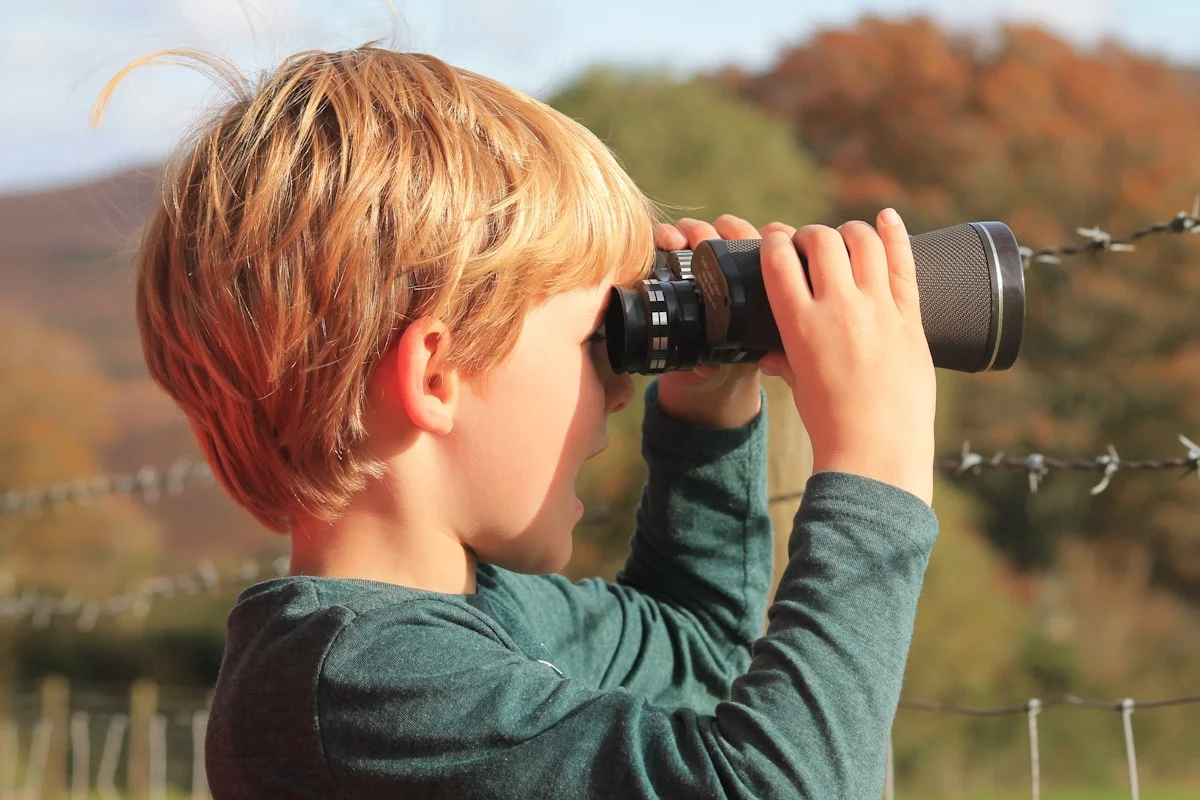
Develops binocular use and observation of animal behavior.
Empathy
Fosters empathy, wonder, and respect for wild creatures.
Nature Connection
Strengthens nature connection through focused animal encounters.
Risk Identification
Key hazards & control measures
Tick BitesHigh Risk
Potential Harm
Tick attachment, Lyme disease transmission, skin infection.
Control Measures
- Long sleeves and trousers
- Tick checks after session
- Tick removal kit available
- Avoid long grass areas
Wildlife EncountersMedium Risk
Potential Harm
Bites, scratches, or animal aggression from startled wildlife.
Control Measures
- Observe from safe distance
- No touching wildlife
- Stay quiet and still
- Brief on animal behavior
Terrain HazardsMedium Risk
Potential Harm
Trips, slips, falls, and twisted ankles on uneven ground.
Control Measures
- Appropriate footwear
- Route checked beforehand
- Point out hazards
- Stay on clear paths
Group SeparationMedium Risk
Potential Harm
Children wandering, becoming lost, or delayed supervision.
Control Measures
- Clear boundaries set
- Regular headcounts
- Buddy system in place
- Whistle recall signal
This guide covers the most common hazards. Our risk assessment wizard includes 30 hazards and 95+ control measures for Wildlife Watching, sourced from industry guidance — create your assessment in minutes.
Safety Checklist
Wildlife watching safety checklist
Preparation
- Site scouted for wildlife
- Weather checked
- Binoculars available
- ID guides prepared
Clothing
- Long sleeves/trousers
- Muted colours worn
- Appropriate footwear
- Layers for weather
During Activity
- Quiet behavior maintained
- Safe distance from animals
- Group kept together
- No touching wildlife
After Session
- Tick checks completed
- Headcount done
- Equipment collected
- Sightings recorded
Ready to create your wildlife watching risk assessment?
Use our step-by-step wizard to generate a professional risk assessment in minutes.