

Forest Schools
Whittling Risk Assessment Template
The complete guide to creating professional risk assessments for whittling activities.
Free to use Instant PDF download Updated February 2026
Essential guidance for whittling safety
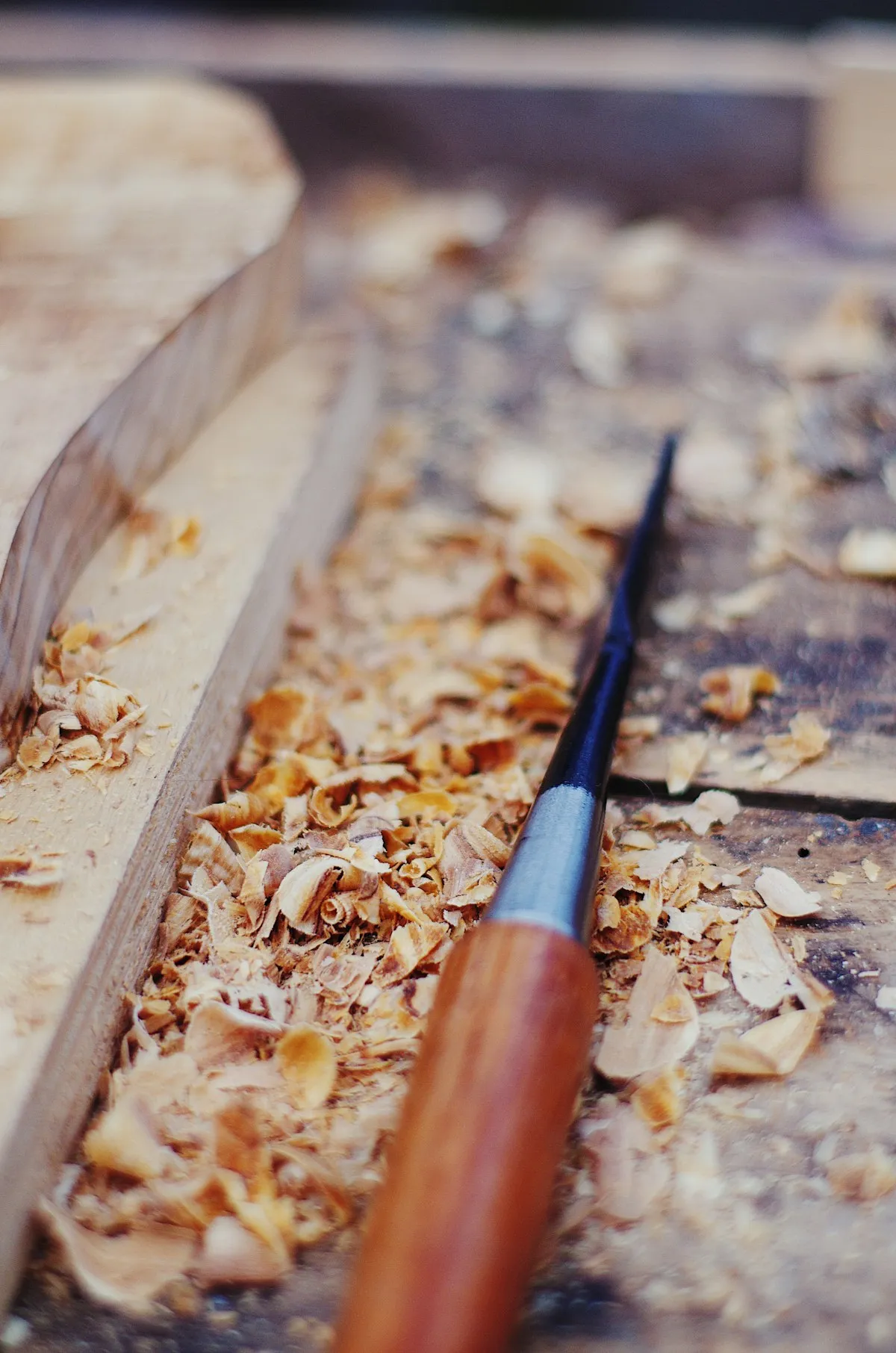
Whittling is a traditional craft that develops fine motor skills, patience and creativity. Using knives to shape wood requires focused concentration and proper technique, making it a rewarding forest school activity.
This guide covers key hazards including cuts, blade slips, appropriate seating positions, and safe knife handling protocols.
Outdoor Learning
Outdoor Learning
Activity Benefits
Why whittling matters
Fine Motor Skills
Develops precise hand control and coordination.
Focus
Builds concentration and mindful attention.
Creativity
Encourages artistic expression through carving.
Responsibility
Teaches respect for sharp tools and safety.
Risk Identification
Key hazards & control measures
Cuts from KnifeHigh Risk
Potential Harm
Cuts to hands, fingers, legs from knife slipping or incorrect use.
Control Measures
- Correct technique taught
- Cut away from body
- Glove on holding hand
- 1:1 supervision initially
Incorrect PositionMedium Risk
Potential Harm
Cuts to legs or body from knife slipping in wrong position.
Control Measures
- Stable seating used
- Elbows on knees position
- Legs apart for safety
- Position checked before starting
DistractionMedium Risk
Potential Harm
Accidents from loss of concentration due to distractions.
Control Measures
- Dedicated whittling area
- No talking to whittlers
- Stop before looking up
- Small group sizes
FatigueLow Risk
Potential Harm
Reduced control and accidents from tired hands.
Control Measures
- Regular breaks taken
- Session length limited
- Children self-monitor
- Soft wood used
This guide covers the most common hazards. Our risk assessment wizard includes 30 hazards and 30+ control measures for Whittling, sourced from industry guidance — create your assessment in minutes.
Safety Checklist
Whittling safety checklist
Before Starting
- Technique demonstrated
- Safety rules explained
- Seating position correct
- First aid kit ready
Equipment
- Knives sharp and clean
- Gloves available
- Suitable wood selected
- Tool register started
During Whittling
- Cutting away from body
- No distractions allowed
- Knife put down to talk
- Breaks taken
After Session
- All knives returned
- Knives cleaned and stored
- Shavings cleared
- Tool count verified
Ready to create your whittling risk assessment?
Use our step-by-step wizard to generate a professional risk assessment in minutes.
