
Forest Schools
Knot Tying Risk Assessment Template
The complete guide to creating professional risk assessments for knot tying activities.
Free to use Instant PDF download Updated February 2026
Essential guidance for knot tying safety
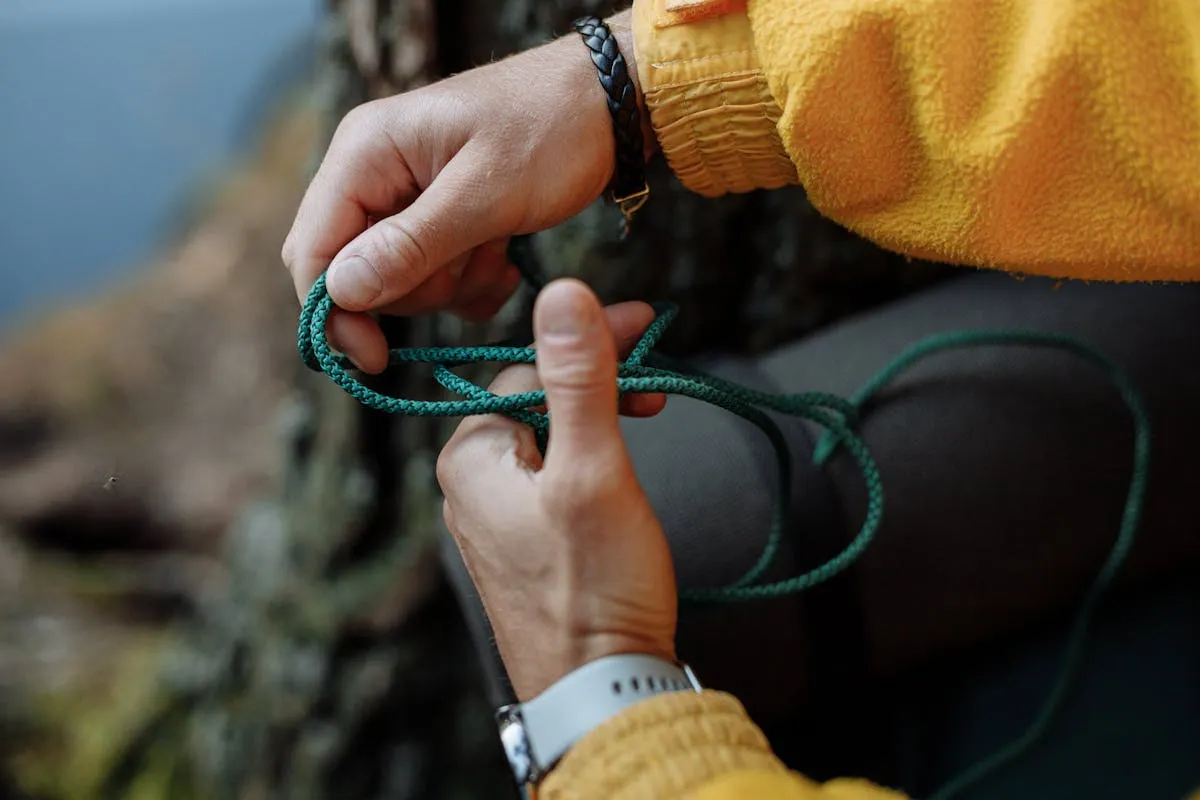
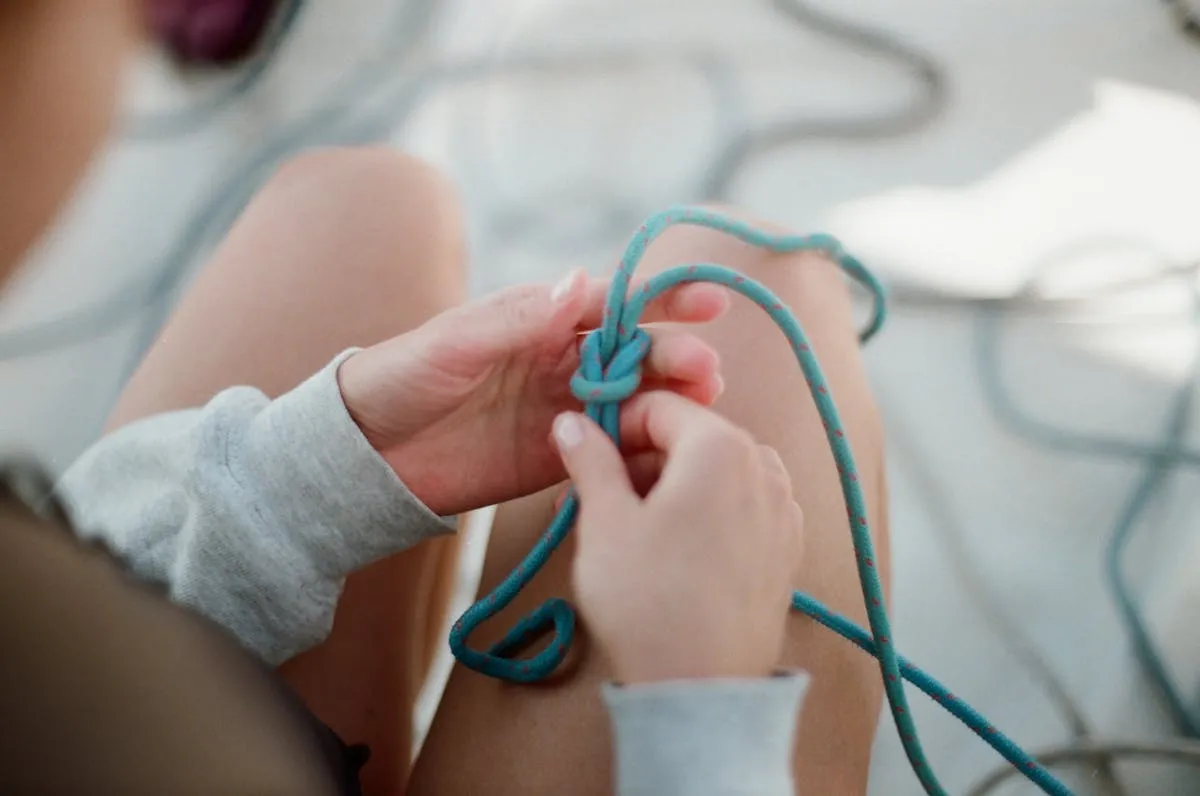
Knot tying is a fundamental outdoor skill that enables shelter building, rope swings, and many other forest school activities. Learning different knots develops fine motor skills and problem-solving abilities.
This guide covers key hazards including rope burns, entanglement, circulation issues, and safe rope handling practices.
Outdoor Learning
Outdoor Learning
Activity Benefits
Why knot tying matters
Dexterity
Develops fine motor control and hand-eye coordination.
Problem Solving
Builds spatial reasoning and logical thinking.
Practical Skills
Enables construction of shelters, swings and structures.
Heritage
Connects with traditional skills and outdoor heritage.
Risk Identification
Key hazards & control measures
EntanglementHigh Risk
Potential Harm
Strangulation, circulation cut-off from rope around neck or limbs.
Control Measures
- No rope around neck rule
- Scissors immediately available
- Constant supervision
- Loose ends secured
Rope BurnsMedium Risk
Potential Harm
Friction burns from rope sliding quickly through hands.
Control Measures
- Gloves available
- Correct handling taught
- Appropriate rope type
- No rope pulling games
TrippingMedium Risk
Potential Harm
Falls from tripping over loose rope on ground.
Control Measures
- Rope coiled when not in use
- Working area defined
- Rope stored properly
- Area cleared of excess
Tight KnotsLow Risk
Potential Harm
Circulation cut-off from knots tied too tightly on limbs.
Control Measures
- No tying on people
- Practice on sticks/poles
- Finger-space rule taught
- Quick-release knots used
This guide covers the most common hazards. Our risk assessment wizard includes 23 hazards and 103+ control measures for Knot Tying, sourced from industry guidance — create your assessment in minutes.
Safety Checklist
Knot tying safety checklist
Before Session
- Rope checked for damage
- Scissors accessible
- Safety rules explained
- Working area defined
Equipment
- Appropriate rope type
- Rope lengths suitable
- Gloves available
- Practice poles ready
During Activity
- No rope around necks
- Supervision maintained
- Technique demonstrated
- Loose ends managed
After Session
- Rope coiled properly
- Rope stored safely
- Area cleared
- Damaged rope removed
Ready to create your knot tying risk assessment?
Use our step-by-step wizard to generate a professional risk assessment in minutes.
